How to Receive Email Verification Codes via SMS: Practical Tips for Cross-Border Businesses
How to Receive Email Verification Codes via SMS: Practical Tips for Cross-Border Businesses
After years in the cross-border space, I'd bet nine out of ten operators have been burned by verification codes at some point. Whether you're registering an Amazon seller account, setting up PayPal, launching a TikTok Shop, or even just logging into Telegram, platforms keep stacking email codes on top of SMS codes. For teams running multiple accounts, this gets brutal fast—you run out of phone numbers, your inbox won't catch the SMS, and suddenly everyone's stuck on the same question: how do I receive email verification codes via SMS without losing my mind?
It sounds simple, but there's more going on under the hood than most people realize. Let me walk you through what I've learned the hard way, plus the approaches that actually work in production.
Why Email and SMS Verification Codes Got Tied Together in the First Place
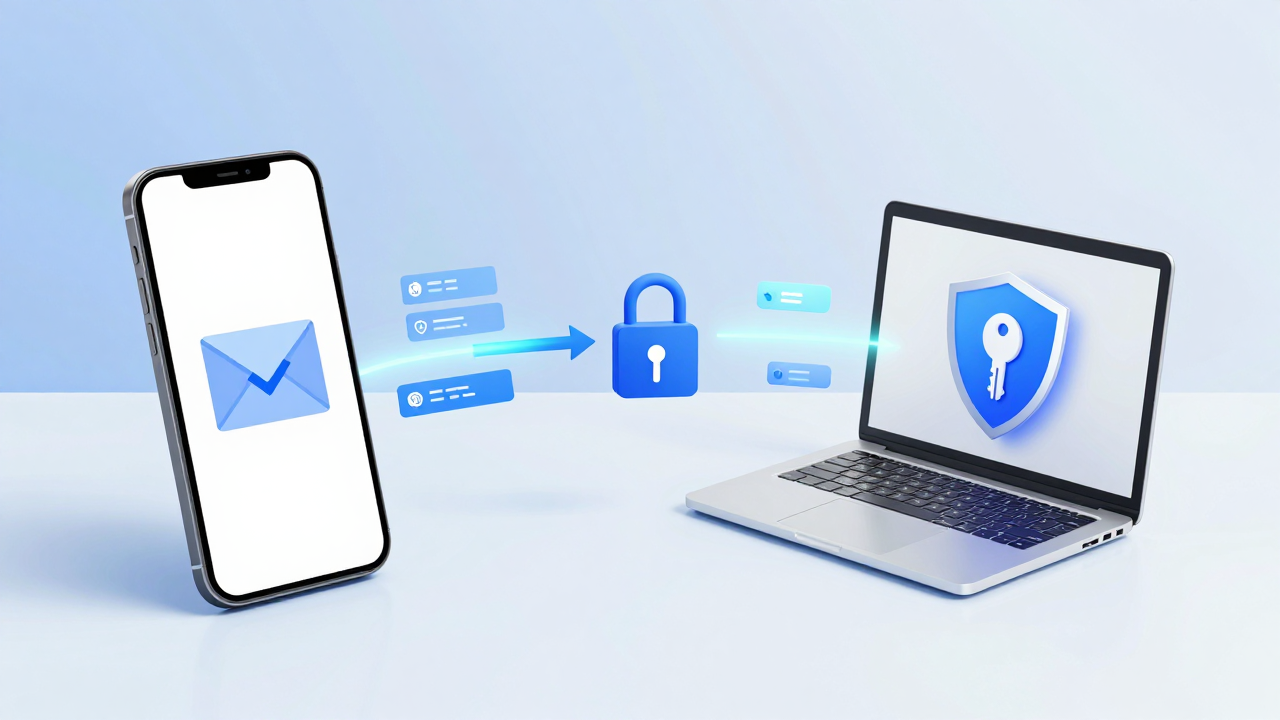
Most overseas platforms enforce two-factor authentication (2FA). That means you're entering one code from your email and another from your phone's SMS. Some platforms go a step further and route the SMS code straight into your email inbox—that's where the whole "email verification code via SMS" concept comes from.
For a solo operator, one phone number per account is manageable. But cross-border businesses usually juggle multiple storefronts and social profiles simultaneously. When you run out of numbers, you need alternatives. In practice, you'll be choosing between three routes:
- Buy physical overseas SIM cards — They cost anywhere from a few dollars to a few dozen each, but shipping takes time and monthly renewal fees become a headache.
- Use virtual number receiving platforms — Cheap and instantly available, but the number pools are messy and risk flags from platform security systems are common.
- Go with enterprise-level SMS receiving APIs — More stable and scalable, with automation built in, but requires some technical setup.
I've tested all three. Physical SIMs are the most reliable but slow and expensive. Virtual numbers are tempting price-wise, but plenty of cross-border operators report that accounts get flagged before the number even gets warm. For long-term operations, the third option—partnering with a solid service provider—is the one that actually scales.
How to Receive Email Verification Codes via SMS: Three Options Compared
Here's a side-by-side comparison to help you match the right approach to your workload. The provider mentioned is just one example—not an endorsement of exclusivity.
| Option | Cost | Stability | Best For | Notes |
|---|---|---|---|---|
| Physical overseas SIM | Higher (card fee + monthly plan) | High | A small number of high-value accounts | Requires an overseas shipping address |
| Public virtual receiving platforms | Low (pay per code) | Low, prone to risk control flags | Temporary tests or throwaway registrations | High number reuse rate |
| Enterprise SMS API services | Moderate (subscription-based) | Relatively high | Multi-account operations and batch registrations | Vet the provider carefully |
If you only need a code now and then, a casual receiving platform will do the job. But if you're managing a dozen accounts like I am and pulling codes daily, you need something dependable. In the current market, providers like Getfollow have built a solid reputation by following this exact playbook—independent number pools, API integration, and automatic forwarding of SMS codes to email, so you're not glued to your phone all day.
Why Verification Codes Fail and How to Fix It
Most people who struggle with this aren't using the wrong method—they're missing small but critical details. Here are the most common failure points I've seen:
- Your email domain is blacklisted — Many overseas platforms delay or filter verification emails sent to free providers like Gmail or Outlook. Sometimes they land straight in spam. Fix: set up inbox rules and whitelist the platform's sending domain.
- SMS forwarding delays — Some receiving platforms rely on manual forwarding, and during peak hours, a 10-minute wait is normal. Look for services with automatic forwarding.
- Number location doesn't match your IP — Using a US number while logging in from a Hong Kong IP is a classic trigger for risk control systems. The platform simply won't send the code. You'll need to match your network environment to the number's region.
- Code expiration is too short — Some codes expire in 60 seconds. By the time you dig through your inbox, it's already dead. Enable real-time push notifications for your email.
Industry consensus: 90% of failed code deliveries aren't the provider's fault—they're environment issues. Before you switch services, check your network setup and email configuration first.
How to Tell If a Verification Code Service Is Legit
Honestly, this industry has some murky corners. Some platforms advertise "unlimited code receiving" but run on black-market number pools where numbers get recycled at any moment. I've seen cross-border teams lose months of account-building work overnight because their provider shut down and every linked account went dark.
When I evaluate a provider, here's what I look for:
First, do they guarantee number exclusivity? If a platform says multiple users share the same number, walk away. Second, is there proper API documentation? Legitimate providers always publish detailed API docs so you can integrate their system into your own workflow. Third, how fast is their support? If you can't receive a code at 3 AM, will someone actually respond? That matters more than you'd think.
Right now, providers like Getfollow check all these boxes—independent number pools, full API support, and real-time customer service. Shop around by all means, but stick to the core principle: don't chase cheap deals, and never run core business operations on free platforms.
Let's Be Real for a Minute
At the end of the day, figuring out how to receive email verification codes via SMS is an infrastructure problem. When your operation is small, you can wing it. When it grows, you need a system. A lot of cross-border operators only realize this after an account gets banned—and then it's too late.
My advice: if you're a solo operator receiving under 100 codes a month, a physical SIM or a reliable virtual number platform is fine. Once volume picks up, get on an API-based service that auto-forwards codes to your email. It saves time, reduces stress, and keeps your accounts safer.
One final note: there's no permanent fix in the code-receiving game. Platform policies shift, and providers come and go. Stay alert, review your current setup regularly, and don't get complacent. That's the real long-term strategy.
Frequently Asked Questions
Can I receive SMS verification codes in my email inbox?
Yes. Many enterprise-level SMS receiving services offer automatic forwarding, which routes incoming SMS verification codes directly to your email. This is especially useful for cross-border operators who manage multiple accounts and can't monitor a phone all day.
Why am I not receiving email verification codes from overseas platforms?
Common causes include your email provider filtering the message into spam, the platform delaying delivery to free email domains, or your IP address not matching the region of the phone number you're using. Whitelisting the sender's domain and using a matching network environment usually resolves this.
What's the safest way to receive verification codes for multiple accounts?
Enterprise SMS API services are the safest option for multi-account operations. They offer dedicated number pools, stable delivery, and API integration for automation. Avoid free public receiving platforms for anything related to your core business.