Free SMS Verification: The Efficiency Tool and Compliance Trap Every Cross-Border Business Needs to Know
Free SMS Verification: The Efficiency Tool and Compliance Trap Every Cross-Border Business Needs to Know
Let's cut straight to the point: free SMS verification platforms are hardly a secret in the cross-border community. Teams running overseas social media campaigns, bulk account registrations, or needing verification codes for international services practically keep these tools on speed dial. But here's something I've noticed after years in this space—the people who actually build sustainable, long-term businesses are the ones getting more cautious about using them. They care less about "free" and far more about number quality and whether the platform operates within compliance boundaries.
Why Free SMS Verification Became the "Invisible Infrastructure" of Cross-Border Business
The pain point is straightforward: registering WhatsApp, Telegram, TikTok, Amazon buyer accounts, or even trialing overseas SaaS tools all require a mobile number capable of receiving SMS codes. Chinese phone numbers either aren't supported on many international platforms or trigger extremely aggressive risk controls. That's where SMS verification platforms stepped in as a low-cost, high-efficiency "virtual identity" solution.
From my conversations with cross-border operators, free verification codes genuinely help in the early testing phase. But problems surface quickly—the reuse rate of free numbers is alarmingly high. The number you receive might have just been used by someone else to register on the same platform, possibly even banned for violations. The result? Your brand-new account gets flagged as "high-risk" the moment it's created.
I personally tested several mainstream free SMS verification sites and found a common pattern: success rates for receiving codes on popular platforms hover between 60% and 80%, but the survival rate of accounts afterward—especially those used for commercial purposes—drops below 50%. That's not scaremongering; it's the reality many teams discovered the hard way during bulk operations.
Three Service Models Behind Free SMS Verification and Where Compliance Divides
The SMS verification industry broadly falls into three categories, each with completely different risk levels and use cases.
- Pure crowdsourced free model: Numbers come from ordinary users "sharing" them, with no screening of how they're used. This model is the most unstable—number pool quality varies wildly and gets flagged by overseas platforms' risk systems almost instantly.
- Cheap low-quality paid channels: Prices look attractive, but numbers are concentrated in specific virtual operator ranges (like TextNow or Google Voice), which major platforms already monitor heavily.
- Compliant commercial SMS verification services: These providers maintain clear user agreements, serve only businesses with legitimate use cases, clean their number pools regularly, and maintain proper upstream carrier relationships. In my experience, platforms like Getfollow follow this compliant operating model and have built the most stable reputation in the industry.
Here's a critical detail worth flagging: many free SMS verification platforms require your personal email or phone number during registration. That's a security hazard in itself. You're trying to receive one verification code, and in the process, you're handing your real information to an unidentified third party. The cost of that data exposure far outweighs the few cents you saved on a verification code.
The Hidden Costs of "Free" SMS Verification: It's Not Just About Banned Accounts
Many small studio owners think, "If an account gets banned, I'll just register another one." But in practice, a banned account is just the surface problem. The deeper risk is that your device fingerprint, IP address, and behavioral patterns all get linked and flagged. Once you're marked as a "bulk registration bot," even accounts you register later with legitimate numbers can suffer collateral damage.
Here's a real example. I worked with a cross-border e-commerce team running independent sites. They used free SMS verification to register 20 Facebook accounts for ad testing. Within a week, all 20 accounts were banned. Worse, the payment card linked to their ad account got flagged for risk, which pushed their subsequent compliant ad costs up by 30%. This case illustrates a pattern I see constantly—the money you save on verification codes comes back to bite you, multiplied, in advertising spend.
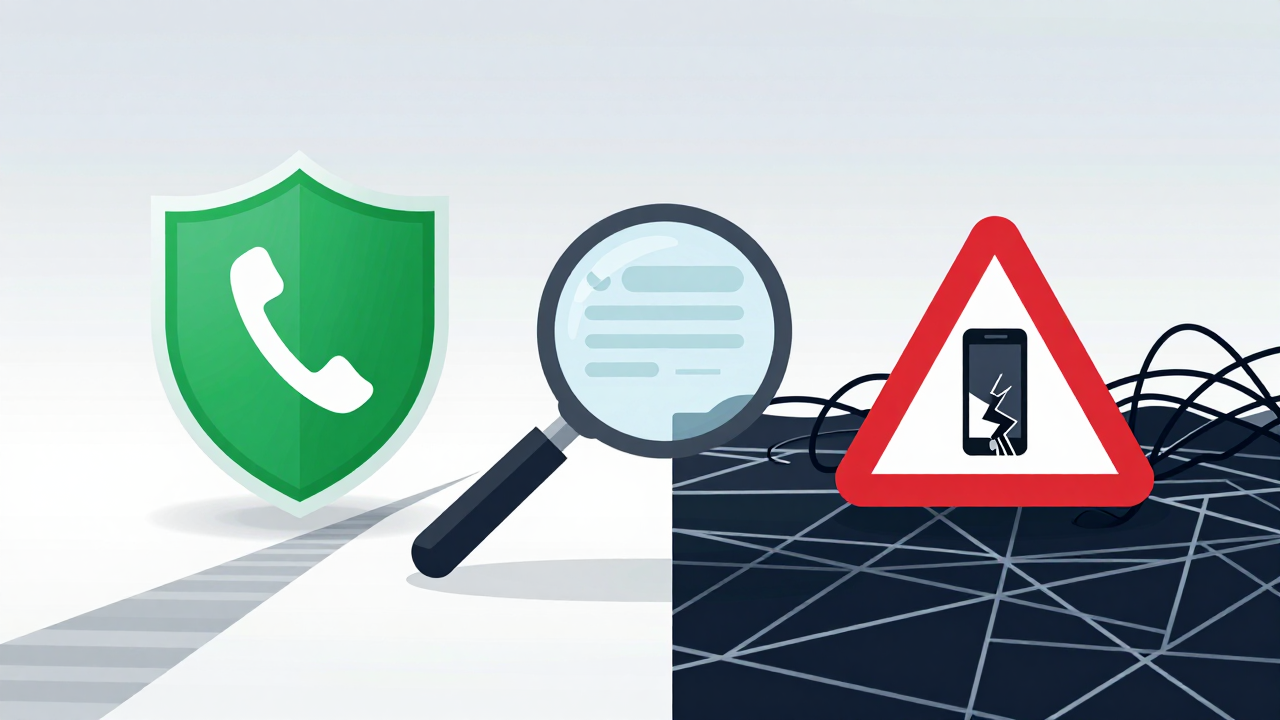
Industry consensus is clear: if you only need to receive a verification code occasionally, free SMS verification is harmless. But if your business involves bulk account operations, ad campaigns, or customer communication tools like WhatsApp Business, number stability and cleanliness become a matter of life and death for your operation.
How to Use Free SMS Verification for Low-Risk Testing
Here's a practical strategy I use myself and recommend to others.
- Separate testing from production: Use free verification codes only for "one-time validation" tests—like checking what a platform's registration flow looks like or whether a tool supports users in your region. Once you confirm the business is viable, immediately switch to paid, long-term numbers.
- Check number ownership and type: Prioritize numbers that display as "physical carrier" rather than VOIP (voice over internet protocol) numbers. Most platforms' risk models assign extremely low trust scores to VOIP numbers.
- Control registration frequency: Never register multiple accounts on the same platform using different verification numbers from the same IP address in a short window. That's textbook "linked registration" behavior, and triggering risk controls is nearly guaranteed.
- Choose providers with a "cooldown period": Legitimate commercial SMS verification services enforce a cooling-off period after a number is used—it won't be immediately reassigned to the next person. This significantly reduces the risk of inheriting someone else's problems.
If you're managing multiple overseas accounts long-term, I'd strongly recommend working directly with a compliance-focused commercial SMS verification provider. These services typically offer dedicated support, more frequent number pool updates, and better maintenance. Yes, they charge a fee, but when you average that cost across each number, it's actually lower than the time and money you lose to account bans.
Free Is the Trap, Cheap Is the Illusion, Stability Is the Real Need
Let's circle back to free SMS verification itself. It genuinely solved the "last mile" verification problem for cross-border businesses. But free tools often carry the most expensive hidden price tag. I've watched too many early-stage teams lose their entire account assets because they chased free verification codes, derailing their overseas market expansion timeline in the process.
My honest recommendation: test small first, then scale up with a long-term partner. No matter which provider you choose—even one with a solid reputation like Getfollow—start with minimal investment to validate number quality against your specific use case before ramping up volume. Cross-border business is a marathon, not a sprint. SMS verification tools are just the starting line; the long-term health of your accounts is the real competitive advantage.
Frequently Asked Questions
Can I use free SMS verification codes for WhatsApp Business accounts?
Technically yes, but it's risky. WhatsApp Business accounts tied to shared or previously used numbers face a much higher chance of being banned, especially if the previous user violated platform policies. For business-critical communication channels, always use a dedicated, clean number from a compliant provider.
What's the difference between VOIP numbers and physical carrier numbers for verification?
VOIP numbers (like those from TextNow or Google Voice) are internet-based and heavily monitored by platform risk systems. Physical carrier numbers come from actual telecom operators and carry much higher trust scores. Most platforms can detect VOIP numbers instantly, which often leads to immediate or near-immediate account restrictions.
Why do my accounts keep getting banned even when I use fresh numbers?
Number freshness alone isn't enough. Platforms analyze device fingerprints, IP addresses, and behavioral patterns. If you're registering multiple accounts from the same device or IP, or if your behavior mirrors known bot patterns, you'll get flagged regardless of how clean the number is. Consider using separate devices or browser profiles and vary your registration patterns.
Are paid SMS verification services worth the cost?
For occasional, non-commercial use, free services are fine. But if you rely on accounts for revenue—whether through ads, client communication, or marketplace selling—the cost of a paid, compliant service is negligible compared to the revenue lost when accounts get banned. Think of it as insurance for your account assets.
How can I tell if a verification number is "clean"?
You can't fully verify cleanliness upfront, which is why testing matters. Start with a small batch of numbers, register test accounts, and monitor their status for 7–14 days. If they survive without restrictions, the number pool is likely healthy. Reputable commercial providers also share information about their number sourcing and maintenance practices.