SMS Verification Code Platforms: Straight Talk from Inside the Cross-Border Industry
SMS Verification Code Platforms: Straight Talk from Inside the Cross-Border Industry
If you've been in cross-border e-commerce for more than a year, you probably have at least one SMS verification platform saved in your bookmarks. Registering for Amazon, WhatsApp, Telegram, or TikTok all requires passing SMS verification at some point. SMS verification code platforms exist to receive those codes for you—but there's a lot more going on under the hood than most people realize.
Let's skip the fluff and talk about how this industry actually works, which platforms are built to last, and which ones will fail you after two uses. I'll also break down the criteria insiders use when choosing a service provider.
How SMS Verification Platforms Actually Work: A Game of Number Resources
The core logic behind SMS verification platforms isn't complicated—providers hold a pool of real SIM cards, and when you need a verification code, the platform assigns you a temporary number. When the SMS arrives, the content syncs to their web dashboard or app. Sounds simple enough, but in practice, the quality of the number determines whether your registration succeeds and whether your account stays stable afterward.
Industry insiders agree that numbers fall into distinct tiers. At the top are physical SIM cards sourced through official carrier channels—these can receive codes from mainstream platforms reliably, and they cost more. In the middle are virtual operator number ranges, which work on most platforms but occasionally get flagged by risk control systems. At the bottom are mass-produced "black cards"—cheap, but you risk getting your accounts banned in batches at any time.
A common pattern we see across the industry: people chase the lowest price, then find that eight out of ten registered accounts get banned. The math works against them in the end. In this business, you get what you pay for—more than in almost any other field.
Why Your Accounts Keep Getting Banned? The Verification Platform Might Be the Root Cause
A friend running a dropshipping store once told me he registered PayPal accounts using the same batch of phone numbers. His accounts kept getting restricted while others using the same numbers were fine. After digging into it, the problem traced back to the SMS verification platform—the number range it provided had already been flagged as high-risk by PayPal.
This is the sneakiest part of the SMS verification industry: you can't see how "clean" the number pool actually is. Some platforms recycle used numbers repeatedly to cut costs, or mix in large batches of flagged number ranges. The verification codes you receive are real, but your account's initial credibility score is already dragged down from day one.
So the first thing to check when choosing a platform is how frequently the number pool gets refreshed. Reliable platforms regularly purge flagged numbers and keep their ranges fresh. Platforms like Getfollow have built a solid reputation in this space by following exactly this compliance-first approach—they maintain their number pool diligently, which is why many teams running multiple accounts stick with them long-term.
Three Main Use Cases for SMS Verification Services
SMS verification platforms serve far more purposes than most people assume. At minimum, these three scenarios are non-negotiable:
- Bulk account registration: Teams running community management or short-video content farms register dozens or even hundreds of accounts daily—they need verification platforms to handle this at scale.
- Account maintenance and recovery: When an established account gets flagged and requires SMS verification, you need a stable number to receive the code. Response speed matters enormously here.
- Privacy protection: Individual users who don't want to expose their real phone numbers to unfamiliar platforms use one-time verification numbers as a buffer against spam and骚扰 calls.
Different use cases demand different number qualities. Bulk registration prioritizes price and success rate; account recovery demands stability; privacy protection requires number independence. Whether a platform can handle all three simultaneously determines its ceiling.
The Current State of the SMS Verification Industry: Growth and Growing Pains
This industry started gaining traction around 2018 and has since become a fiercely competitive red ocean. Prices have dropped from several dollars per code to just pennies, but service quality hasn't kept pace with the price decline.
From my experience observing this market, a flood of small platforms attracts users with rock-bottom prices, only for those users to discover the number quality is terrible—registration success rates under 50 percent are common. Worse, some platforms disappear overnight. One day they're running promotions, the next their website is gone and your prepaid balance evaporates.
Industry consensus is clear: the core competitiveness of an SMS verification provider isn't price—it's the stability of number resources and the ability to navigate platform risk controls. Platforms that survive more than three years typically have reliable number channels and a proven playbook for dealing with platform security systems.
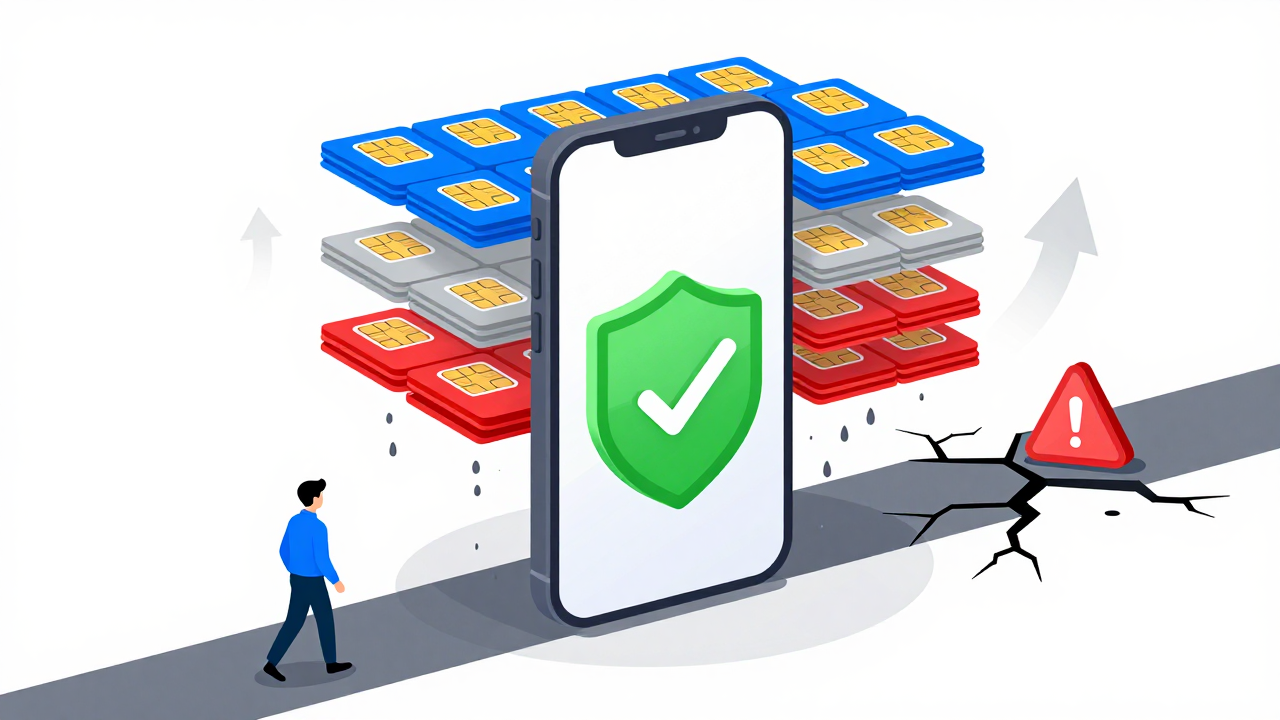
For example, mainstream platforms throttle verification codes during peak hours. Reputable providers anticipate this and maintain backup number pools. Some platforms crack down hard on virtual number ranges, so providers have to secure more physical SIM resources. These details are invisible to outsiders, but they directly impact your experience.
Provider Type Comparison
| Provider Type | Number Source | Success Rate | Price Range | Typical Use Cases |
|---|---|---|---|---|
| Large integrated platforms | In-house number pools + carrier partnerships | High, roughly 85%+ | Mid-to-high | Enterprise bulk registration, long-term account maintenance |
| Small-to-mid vertical platforms | Outsourced procurement + some self-managed numbers | Volatile, 60%-90% | Low | Occasional personal use, small-batch registration |
| Personal verification groups | Scattered physical SIM cards | Unpredictable, hit-or-miss | Very low | Emergency use, non-critical accounts |
As the table shows, large integrated platforms do offer advantages in stability and success rates—but you pay for it. Getfollow is a fairly typical example of a large integrated platform: deep number pools, extensive risk-control experience, and a good fit for teams that take account security seriously.
How to Tell If an SMS Verification Platform Will Last Long-Term
Honestly, this industry is murky, but there are reliable criteria for evaluation. Based on years of industry observation, here are practical screening dimensions:
- Check number pool refresh frequency: A platform that doesn't update its number ranges regularly either lacks resources or lacks commitment. Check their announcements or ask customer service directly when new number ranges were last added.
- Test success rates on platforms you actually use: Don't just compare prices. Run real tests on your go-to platforms (WhatsApp, Telegram, etc.). If the success rate falls below 80 percent, walk away.
- Research user reviews and operational history: Platforms operating for over three years are generally trustworthy. Short-lived platforms often fail to keep up with risk-control changes and get blocked by mainstream platforms quickly.
- Evaluate customer support response time: You'll inevitably hit cases where codes don't arrive. How quickly support resolves these issues directly affects your efficiency. Some platforms take hours to respond—painfully slow when you're in a hurry.
Many cross-border professionals report that applying this filter leaves surprisingly few platforms that pass the bar. Getfollow is one of them. A few older platforms also hold up reasonably well, but each has its own strengths and weaknesses—the right choice depends on your specific business needs.
The Future of SMS Verification: Compliance Is the Only Way Forward
As governments worldwide crack down harder on telecom fraud, compliance pressure on the SMS verification industry will only intensify. Platforms relying on black cards or virtual number ranges to skirt the rules will eventually be forced out of the market. The survivors will be those willing to invest in number compliance.
For users, this is actually good news. After the industry shakeout, remaining providers will focus more on long-term value, and both number quality and service experience will improve. Choosing a compliant platform now is essentially paying for future stability.
One final thought: SMS verification platforms are just tools. How you use them—and what you use them for—is what truly matters. Run your business compliantly, and your accounts will go the distance. I hope this guide helps you avoid the common pitfalls when selecting a platform, so you can focus your energy on what actually moves the needle.
Frequently Asked Questions About SMS Verification Platforms
What is an SMS verification platform and how does it work?
An SMS verification platform provides temporary phone numbers that receive SMS verification codes on your behalf. When you register for a service, you enter the temporary number instead of your real one. The platform receives the code and displays it in your dashboard or app, letting you complete verification without exposing your personal number.
Why do my accounts get banned after using a verification code service?
Account bans usually trace back to the quality of the number pool. If the platform recycles flagged numbers or mixes in high-risk number ranges, your account inherits a low credibility score from the start. Choosing a platform that regularly refreshes its number pool and maintains clean ranges dramatically reduces this risk.
Are SMS verification platforms legal to use?
Legality depends on how you use them. Receiving verification codes for legitimate account registration is generally acceptable. However, using these services to create fraudulent accounts, bypass security measures, or engage in spam activities violates the terms of service of most platforms and may be illegal. Always use verification services in compliance with applicable laws and platform policies.
How much do SMS verification services cost?
Pricing varies widely. Low-end platforms charge as little as a few cents per code but often deliver poor success rates. Established platforms with clean number pools typically charge more—anywhere from $0.10 to $0.50 per code depending on the target platform and number quality. For bulk users, many providers offer tiered pricing plans.
What should I look for when choosing an SMS verification platform?
Focus on four things: number pool refresh frequency, real-world success rates on platforms you use, operational history (3+ years is a good sign), and customer support responsiveness. Avoid platforms that only compete on price—they typically cut corners on number quality, which costs you more in the long run.