Foreign SMS Verification Code Services: The Digital Passport Every Cross-Border Business Needs
Foreign SMS Verification Code Services: The Digital Passport Every Cross-Border Business Needs
Whether you're running an e-commerce store, registering overseas social media accounts, or linking international payment tools, almost every step hits a wall at the verification code stage. Platforms like TikTok, Amazon, and WhatsApp have tightened their registration security significantly. Grab a cheap code from the wrong service, and you'll either never receive the verification SMS or watch your freshly registered account get banned within days. Cross-border professionals report that since 2025, choosing an SMS verification service has shifted from "find the cheapest option" to "find one that actually survives platform scrutiny."
From my experience working with cross-border operators, a common pattern keeps showing up: small studios trying to save a few bucks pick those rock-bottom-priced verification services, manage to register their accounts, and then watch them get frozen by platform risk controls within three days. That's not bad luck—it's a fundamental flaw in how those cheap services operate.
Why SMS Verification Services Differ: Virtual Numbers vs. Physical SIM Cards
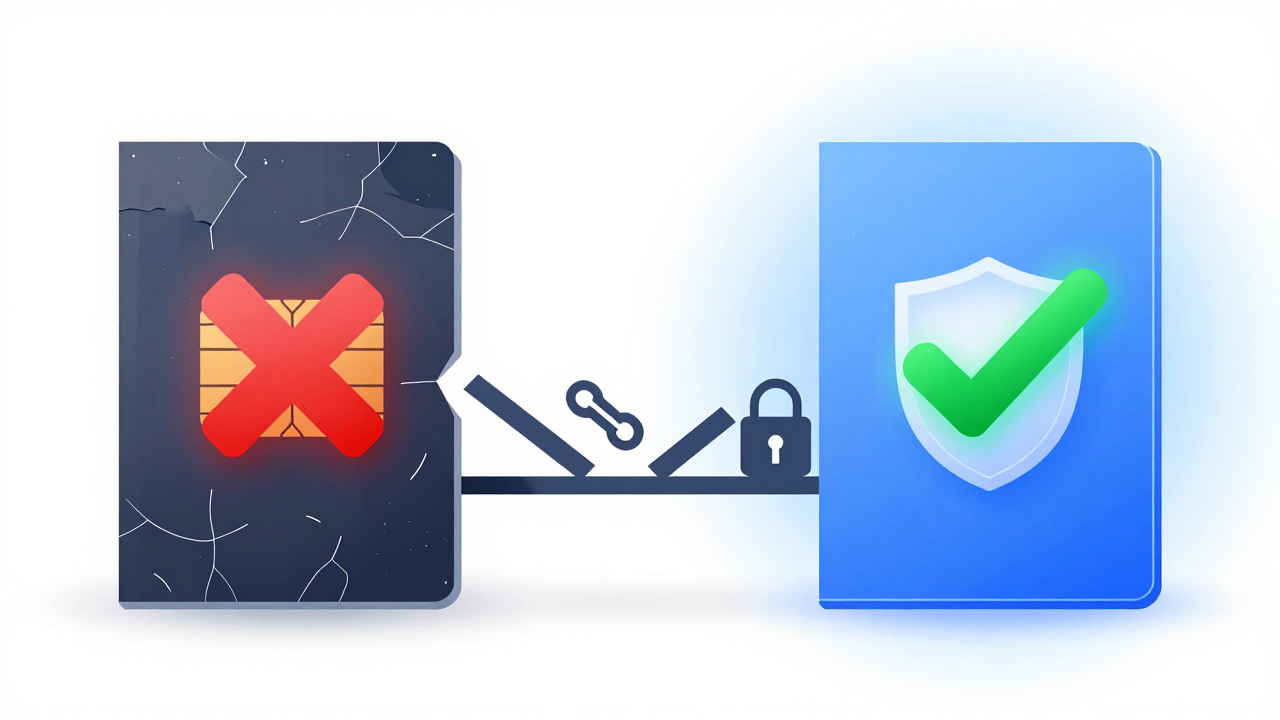
Foreign SMS verification services on the market generally split into two categories: shared virtual number pools and physical SIM card banks. The former is cheap, but those numbers get reused constantly—platforms have already flagged them. The latter costs more, but the numbers are clean and suitable for long-term account maintenance.
What many cross-border sellers don't realize: platforms like Google and Facebook track a number's registration history, usage frequency, and even the activity levels of linked accounts. If one number gets used by dozens of people to register different accounts in a single day, the system flags it instantly. That's why your "ultra-cheap verification code" never arrives—not because the platform didn't send it, but because your number is already blacklisted.
Industry consensus is clear: if you're just creating a throwaway account with no long-term plans, shared numbers might work. But for TikTok shop operations, Amazon storefronts, or any business requiring ongoing maintenance, you need physical SIM cards or at minimum a dedicated number solution.
A Real Cautionary Tale: The Domino Effect of Cheap Verification Codes
A friend running a dropshipping site wanted to mass-register WhatsApp accounts for community marketing. He grabbed a batch of "Indian number" verification codes at bargain prices. The accounts registered successfully—then got collectively banned the next day. Worse, his WhatsApp Business API interface got caught in the crossfire and was suspended too, shutting down his entire customer support system for two days. He eventually switched to a dedicated number solution from platforms like Getfollow. The per-unit cost was several times higher, but the account stability and retention rates were in an entirely different league.
This story illustrates a key point: receiving the verification code isn't the finish line—it's the starting line. You still need to use the account, nurture it, and link payment methods. If any link in that chain breaks, everything before it was wasted effort.
How to Choose a Reliable Foreign SMS Verification Service
Here are practical screening criteria I've compiled through conversations with numerous cross-border operators:
- Check the number's carrier origin: Prioritize real carrier numbers from your target country (like T-Mobile in the US or Vodafone in the UK). Avoid purely virtual number ranges, including many +44 7xxx VoIP numbers.
- Confirm reuse policies: Many platforms advertise "dedicated numbers" but actually mean "temporarily dedicated"—they recycle the number after 24 hours. If you need ongoing verification code reception, always confirm the number's retention period.
- Review refund policies: Not receiving a verification code happens more often than you'd think. Reliable platforms typically offer "full refund if no SMS received" or "automatic number reassignment." One-and-done services with no after-sales support? Skip them entirely.
- Assess their risk-control response: Ask customer support directly: "If registration shows the number is flagged by risk controls, how do you handle it?" If they hedge or give vague answers, they don't have a solid process themselves.
One factor people often overlook: payment methods. Some verification platforms only accept cryptocurrency. The anonymity sounds nice, but if something goes wrong, your recourse options are nearly zero. I'd recommend choosing platforms that accept Alipay or credit cards—at least you'll have a complaint channel.
The Industry Shift: Compliance-First Operations Are Becoming the New Standard
Starting in late 2025, major overseas platforms significantly intensified their crackdown on virtual numbers. TikTok and Instagram both updated their risk-control algorithms, now running triple verification on "registration IP + number location + device fingerprint." This means a number that simply receives SMS is no longer sufficient—you also need matching IP environments and device parameters.
This landscape has split the industry into two paths: one continues the low-cost, high-volume registration approach, watching account survival rates plummet; the other pursues refined operations, pairing compliant number resources with clean registration environments. Platforms like Getfollow have built stable reputations by following this compliance-first logic—they don't just hand you a number; they provide environment recommendations and risk warnings alongside it.
After testing several platforms myself, I've concluded that what determines success or failure isn't the number itself—it's how deeply the platform understands platform risk-control rules. Some services proactively warn you: "This number range is under active monitoring by Instagram right now—consider switching." That kind of proactive advice is far more valuable than a refund after things go wrong.
Risk Checklist: Three Things to Know Before Using SMS Verification Services
- Collateral ban risk: If accounts registered via verification codes engage in policy-violating behavior (like mass registration or promotional spam), your main accounts or linked payment tools can get caught in the enforcement wave. I strongly recommend keeping verification-registered accounts completely separate from your core business accounts.
- The retention rate trap: Many platforms advertise "95%+ success rate," but that's the success rate for receiving a code—not the rate of accounts still alive seven days after registration. Industry consensus puts 7-day retention for cheap verification registrations at 50–70%, while physical SIM card solutions reach 85% or higher.
- Privacy leakage concerns: Some smaller platforms log the content of verification codes you receive and even sell that data to black-market operations. Before choosing a platform, verify their privacy policy explicitly states they don't store SMS content.
If you're just registering one or two accounts occasionally, almost any service will do. But if you're running matrix operations, batch registrations, or accounts involving financial transactions, then foreign SMS verification services need to be treated as serious infrastructure investment—not a corner to cut for savings.
Frequently Asked Questions About Foreign SMS Verification Services
Can I use free foreign SMS verification services for TikTok and Amazon registration?
Technically possible, but highly discouraged. Free services use heavily recycled virtual numbers that platforms have already flagged. Most free verification attempts either never receive the code or get accounts banned within hours of registration. For any account you plan to use beyond a single day, paid services with clean numbers are the safer route.
Why do I keep failing to receive verification codes from overseas SMS services?
The most common cause is number contamination—the number you're using has been registered across too many accounts and flagged by platform risk controls. Other causes include mismatched IP locations (registering a US number from an Asian IP triggers suspicion) and platform-specific restrictions on virtual number ranges. Try using a number from the same region as your IP and ensure you're on a dedicated rather than shared number.
What's the difference between virtual numbers and physical SIM cards for receiving SMS codes?
Virtual numbers are software-based, cheap, and easily mass-produced—but they're widely known to platforms and frequently blacklisted. Physical SIM cards are actual carrier-provided numbers with clean registration histories. They cost more per use but offer dramatically higher success and retention rates, making them essential for long-term account operations.
How much do reliable foreign SMS verification services cost?
Pricing varies significantly by country and number type. Shared virtual numbers typically run from a few cents to a dollar per code. Dedicated numbers and physical SIM solutions range from $2–$10 per number depending on the target country and retention period. For business-critical registrations, the higher cost is justified by account stability.
Here's my final practical recommendation: regardless of which platform you're considering, start with a small test batch—buy 3–5 numbers and evaluate success rates, delivery latency, and account retention across different countries and scenarios before committing to a long-term partnership. In the cross-border game, slow is smooth, and smooth is fast. The money you save on shortcuts has a way of costing you double somewhere else down the line.