Porcupine SMS Verification Platform Registration: How to Navigate the "Number Hurdle" in Cross-Border Business Without Getting Burned
Porcupine SMS Verification Platform Registration: How to Navigate the "Number Hurdle" in Cross-Border Business Without Getting Burned
If you work in cross-border e-commerce, you've almost certainly hit the "phone verification" wall. Whether you're signing up for overseas social media accounts, linking payment tools, or managing multiple storefronts, a missing verification code means your operation grinds to a halt. Porcupine SMS verification platform registration has been popping up all over industry chats lately. But honestly, most people only care about "will I get the code?" and completely overlook the differences in service models and the account security risks lurking underneath. In this piece, I'm not going to hand you another "top 10 platforms" listicle. Instead, I want to walk you through the real operational details that trip people up before and after registration.
First Things First: SMS Platforms Solve "Temporary Needs," Not "Account Nurturing"
Most solo operators first look into Porcupine SMS verification platform registration because they want to mass-register accounts. But here's the industry consensus: the core value of these platforms lies in one-time verification scenarios—like creating a new account or receiving risk-control alerts. If you're expecting to use virtual numbers for long-term account nurturing and deep operations, you're going to hit a wall of plummeting retention rates.
I've tested multiple platforms firsthand, and a common pattern emerges: the retention rate for virtual numbers typically fluctuates between 50% and 70%, depending on the number's region and the platform's risk-control strictness. In other words, two or three out of every ten numbers might stop working the next day. That's just how the industry works—it's not a specific platform trying to rip you off.
Three Things to Confirm Before You Register
- Is the number "clean"? Ask whether that number range has been heavily used to register accounts on the same platform. If the same IP keeps registering repeatedly, your chances of triggering risk controls skyrocket.
- Is the pricing model transparent? Are you charged per message, on a monthly subscription, or per project? Plenty of newcomers overlook this and end up getting quietly gouged on "project fees."
- Is there a "failure refund" policy? If the verification code never arrives, will the platform unconditionally refund your credits? This one's critical, yet it's constantly ignored.
Here's a real case from the field. A TikTok Shop seller, trying to hit a sales season deadline, bought 200 numbers in one go from a platform. By the time they got to number 80, the platform suddenly required facial verification for all new accounts—rendering the remaining 120 numbers completely useless. When they contacted support, the response was "the numbers were successfully delivered" and a flat refusal to refund. So before you commit, ask directly: if the target platform adds extra verification steps mid-way, what happens to your unused credits?
The Service Models Behind Porcupine SMS Verification Platform Registration: Direct Connection vs. SIM Card Pools
From a technical standpoint, SMS verification platforms on the market fall into two broad categories. The first is "direct connection"—the platform partners directly with carriers or card suppliers, keeping numbers online in real time. The second is "card pool"—the platform stockpiles physical SIM cards and distributes numbers through a hardware pool. Both models have their pros and cons, but the choice directly determines your success rate for receiving codes.
Direct connection responds fast but has a limited number pool, which increases the odds of collisions. Card pool models offer abundant number resources but occasionally suffer from delays. Platforms with solid industry reputations, like Getfollow, use a hybrid scheduling logic—routing registration-type requests through direct connection and bulk verification through the card pool. The benefit? You get speed without sacrificing number variety.
But here's my warning: regardless of which model you pick, don't overlook the "number region" detail. For example, if you're registering a Line account, go for Japanese or Taiwanese numbers. For WhatsApp, prioritize US or UK number ranges. Many platforms let you filter by region, but the default sort is usually "price low to high." Whatever you do, don't get greedy over a few cents—cheap number ranges are often the most heavily abused "disaster zones" out there.
The Hidden Traps in the Registration Flow: Every Step from Payment to SMS Can Backfire
Porcupine SMS verification platform registration itself isn't complicated—it's usually just create an account, top up credits, pick a number, and wait for the text. But in practice, a few details deserve special attention.
First, the payment step. Quite a few platforms accept USDT or other cryptocurrencies, which is convenient for cross-border professionals. But it also means that if a dispute arises, you have virtually no recourse channel. My advice: prioritize platforms that support Alipay or WeChat Pay, even if it costs a bit more. At least you have a "regret pill" when things go sideways.
Second, SMS delivery timing. Many platforms claim "you can re-request if no code arrives within 60 seconds," but real-world wait times can stretch to two or three minutes. If you hit a "verification code request too frequent" warning while registering on an overseas social platform, don't panic and switch numbers. Wait two minutes and try again. That's standard risk-control behavior on their end—not a problem with your number.
Third, the number recycling window. Some platforms specify a "number recovery time"—for instance, the number gets released back to the pool after 24 hours. If you need to keep a number attached to an account long-term, make absolutely sure the platform supports "extended rental" or "number locking." Otherwise, once the number is recycled, your account becomes "ownerless," and the recovery process is a nightmare.
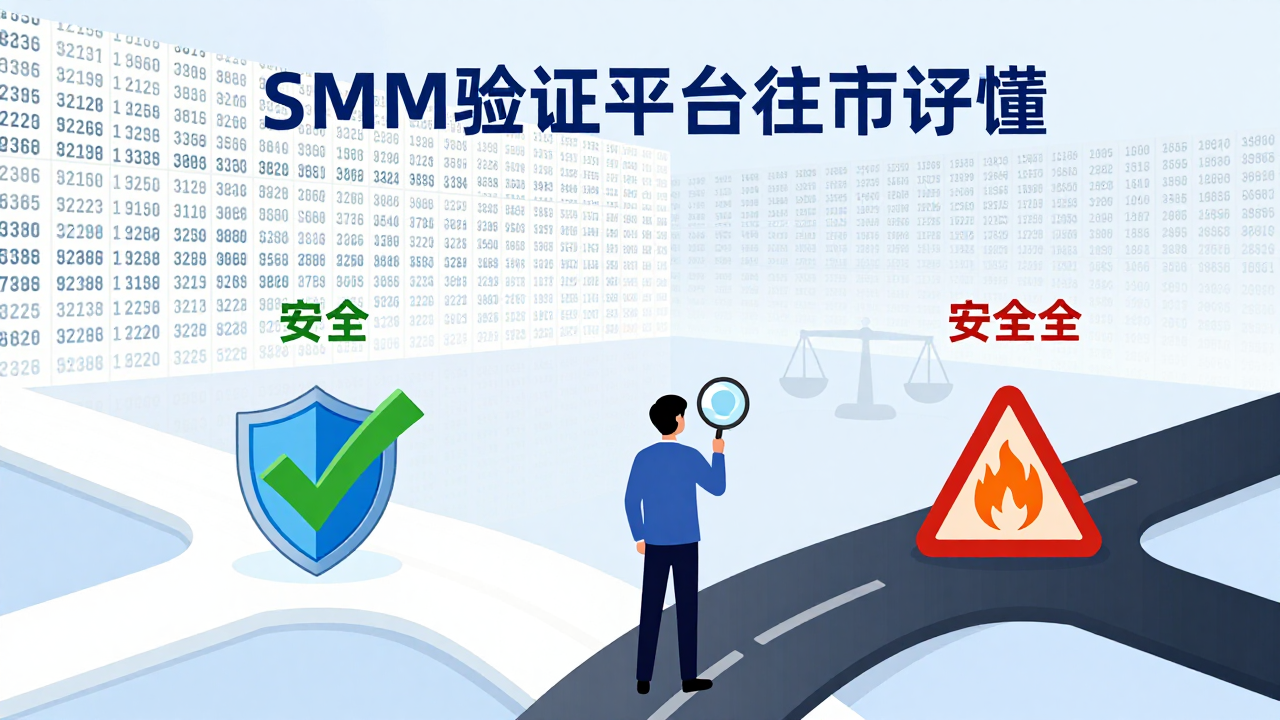
Risk Alert: Account Bans, Linkages, and Data Leaks—Don't Ignore Any of Them
Many cross-border operators report that accounts registered through SMS platforms run smoothly at first, then suddenly get flagged for "suspicious login" and banned out of nowhere. In most cases, the root cause isn't the SMS platform itself—it's your own operating habits that gave you away.
Switching accounts rapidly on the same device, registering multiple accounts from the same IP range, or leaving profiles incomplete after registration—these behaviors all trip the target platform's risk-control algorithms. A virtual number is just your "entry ticket." How you nurture the account afterward is what actually determines its lifespan.
Data leakage is another risk you can't afford to ignore. The phone numbers, registration records, and IP information you submit to an SMS platform could be scraped by third parties if the platform's security measures are sloppy. Before registering, check whether the platform has a privacy policy and whether they explicitly promise "no logging of SMS content." If you can't even find a privacy policy, walk away. Don't look back.
The Pitfall Checklist: Verify Every Line Before You Register
- Confirm the platform supports "failure refunds" and screenshot the customer service commitment as evidence.
- When testing, buy just 1–2 numbers from the cheapest range first. Don't stockpile hundreds on day one.
- Check whether the platform offers "number region filtering"—and whether the filter results are actually accurate.
- Look for an API interface if you plan to automate operations down the line.
- If the platform demands real-name verification, seriously evaluate the data exposure risk before deciding.
Let me share a lesson I learned the hard way. To test a cross-border e-commerce tool, I registered on an obscure platform and topped up about $7. After the number received the verification code, the platform immediately demanded "secondary real-name verification" or my balance would be frozen. I contacted support—crickets. That money was gone. So spend five extra minutes reading user reviews before you commit, especially the keywords that show up in negative feedback: "refund nightmare," "support ghosting." Those are the real signals of what you're getting into.
Final Thoughts: Test Small First, Then Talk About Long-Term Partnerships
Porcupine SMS verification platform registration is, at its core, an exercise in trust-building. The platform needs to prove its number quality and service stability, while you need to validate their reliability without blowing your budget. My recommendation: no matter how many glowing reviews you read, buy the minimum credit package first and run through one complete cycle—register, receive the code, bind the account, log back in later—before you scale up. Platforms like Getfollow that have earned a solid reputation in the industry got there by following this exact "verify before you scale" logic. You don't need to worship any brand. You just need your own testing standards.
One last reminder: an SMS platform is a tool, not a safety deposit box. Your account security ultimately depends on your operating habits and risk awareness. Hopefully, this guide helps you dodge a few landmines and spend your budget where it actually counts.
Frequently Asked Questions
Can I use SMS verification platform numbers for long-term account management?
Not recommended. Virtual numbers typically have a retention rate of 50–70% over 24 hours, making them unreliable for long-term account binding. They're best suited for one-time verification scenarios like initial registration or receiving risk-control alerts.
What should I do if the verification code never arrives?
First, wait two to three minutes—delays are common. If nothing arrives, check whether the platform has a "re-request" option. If the code still doesn't come through, contact support and request a refund per the platform's failure refund policy. Always confirm this policy before purchasing.
Are cheaper number ranges worth the savings?
Usually not. Low-priced numbers are often heavily recycled and have higher collision rates, which increases the likelihood of triggering risk controls on the target platform. Paying slightly more for a cleaner number range is a worthwhile investment.
How do I know if an SMS verification platform is trustworthy?
Look for three things: a clear privacy policy, transparent pricing with no hidden fees, and verifiable user reviews—especially negative ones. Platforms that lack a privacy policy or refuse to clarify refund terms should be avoided entirely.