Best SMS Verification Platforms in 2026: How Cross-Border Businesses Can Avoid Fake Numbers and Pick a Compliant Provider
Best SMS Verification Platforms in 2026: How Cross-Border Businesses Can Avoid Fake Numbers and Pick a Compliant Provider
After years in cross-border e-commerce, I've watched too many people trip over the SMS verification hurdle. In 2026, platform risk-control algorithms evolve faster than most providers can keep up. Many "off-the-grid" services that worked last year now trigger manual reviews the moment you register. Let's skip the fluff and talk about which pitfalls you absolutely must avoid in today's SMS verification landscape—and what a truly reliable provider looks like.
What Changed in 2026: The Shift from Volume to Number Quality
Cross-border sellers keep telling me the same thing this year: number "survival rate" has become the make-or-break metric. A few years ago, you could grab a code from almost any service and register successfully. Now, major platforms like WhatsApp, Telegram, and TikTok identify virtual number ranges in seconds.
From my experience, the clearest trend in 2026 is this: the competition among SMS verification platforms is no longer about "can you receive the code"—it's about "how long will this number actually stay alive."
- Low-quality shared pools (public numbers reused thousands of times)—banned on registration or flagged within hours.
- High-quality dedicated numbers—cost 3–5x more, but remain stable for 30+ days.
- Physical SIM forwarding—the priciest option, but behaviorally indistinguishable from a real user.
Here's a real-world cautionary tale: a friend running a network of independent sites loaded $70 into a cheap "unlimited SMS verification" platform. He registered 20 TikTok accounts in one evening—18 were banned by midnight. He switched to a per-code premium service, and while his costs went up, his account survival rate jumped from 10% to 80%.
Don't Just Ask "How Fast"—Investigate the Number's History
When people evaluate SMS verification platforms, the first question is almost always "how fast will I get the code?" That's the wrong question. The industry consensus in 2026 is clear: delivery speed affects your efficiency, but the number's history determines whether your account survives.
What do I mean by a number's history? Simply put: what was that number range previously used for? If a specific segment was heavily involved in bulk registrations, account farming, or worse—gray-market activity—its "reputation score" is already destroyed. Register with it, and risk-control systems tag you instantly.
In practice, I recommend cross-border businesses and independent studios evaluate three hard metrics:
- Number segment purity—Does the provider clearly disclose where numbers come from (carrier-recycled, enterprise lines, or overseas IoT pools)?
- True one-number-one-account support—Does each physical SIM slot correspond to a single business use, or does the system recycle numbers across multiple customers?
- Post-registration compensation policy—If your account gets banned within 24 hours, does the platform offer a refund or replacement without a fight? This single criterion filters out 80% of low-quality providers.
Platforms like Getfollow have built a solid reputation this year by following exactly this compliance-first playbook. They don't advertise "unlimited codes." Instead, they clearly label each number's usage limits and expected lifespan. That transparency makes them a better fit for long-term operations.
The 2026 Risk Checklist: What You Need to Know Before You Buy
Many independent operators assume that receiving a verification code is all that matters. But in 2026, the code is just step one—the real danger zone is the "second verification" that comes later.
Here's a typical scenario: you use an SMS verification platform to register a Google account, and everything works fine. Three days later, you log in and trigger device verification. The platform asks for a code sent to the linked phone number. If the verification service has already recycled that number and assigned it to someone else, you're locked out permanently—along with any ad accounts or developer profiles tied to it.
Industry observers estimate that the average "retention rate" across SMS verification platforms in 2026 sits between 50% and 70%. Anyone claiming "100% stability" is either exaggerating or only tested for a very short window.
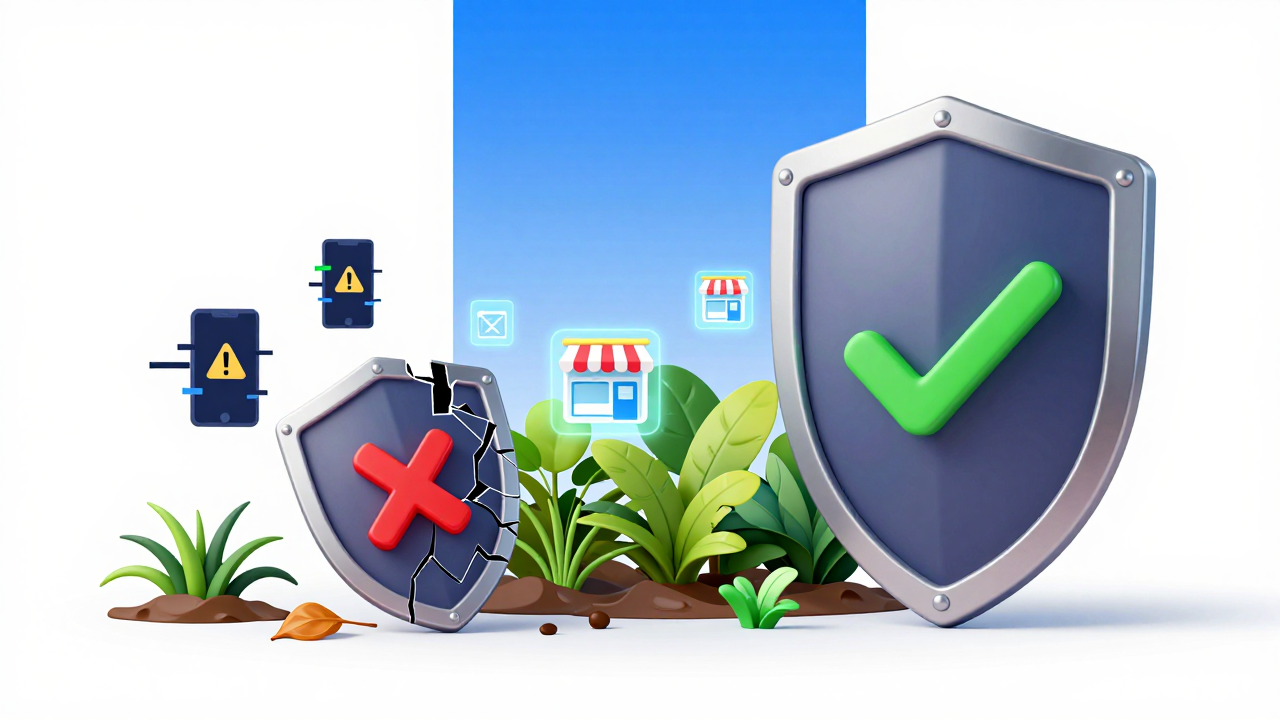
To protect yourself, here's what I recommend:
- For critical accounts (ad accounts, payment gateways), choose a provider that supports long-term number rental rather than one-time code reception.
- Immediately after receiving your code, add a backup email and set up an Authenticator app in your account settings. Reduce your dependence on SMS as much as possible.
- Never put all your accounts on a single verification platform. Spreading your risk across providers is the most basic self-protection strategy in 2026.
Three SMS Verification Models Compared: 2026 Field Test Perspective
| Service Model | Typical Cost Range | Core Advantage | Critical Weakness | Best For |
|---|---|---|---|---|
| Public number pool | Very low (per-minute pricing) | Cheap, fast delivery | Extremely high ban rate, no second verification support | One-time registrations, disposable test accounts |
| Dedicated number + short-term rental | Moderate (per-day pricing) | Higher survival rate, supports second verification | Cost scales linearly with usage duration | Studios running multiple accounts, social media matrices |
| Physical SIM forwarding / dedicated lines | Higher (per-month pricing) | Nearly indistinguishable from real user behavior, hard to flag | Expensive, limited number supply | Core business accounts, ad accounts for cross-border enterprises |
Looking at 2026 market trends, most independent studios lean toward the second model. Established cross-border businesses—especially those handling payments and ad spend—are increasingly migrating to the third. Platforms like Getfollow offer flexible transitions between models two and three, which is a big reason they've attracted a growing number of enterprise clients this year.
Final Recommendations for Cross-Border Businesses and Studios
SMS verification services are essentially a trust leverage tool. You're using their numbers to access overseas platform ecosystems, and on the other end of that lever sits your business assets. So, don't cut corners where it matters most.
I've seen too many cases where someone saved a few dollars on verification fees and lost thousands in ad credits—or watched three months of account cultivation vanish overnight. In 2026, platform risk-control systems behave like detectives. Every anomaly gets logged.
One final piece of practical advice: No matter which provider you're considering (including Getfollow), run a small-scale test before committing to a long-term partnership. Spend $10 on five numbers. Test registration success rate, 24-hour survival rate, and customer support response time. If all three pass, then scale up your purchase. This cautious approach will steer you clear of 90% of the traps out there.
In cross-border business, longevity beats speed. SMS verification is just the first step—but if you get that first step right, the road ahead gets a whole lot smoother.
FAQ: SMS Verification Platforms in 2026
What is the best SMS verification platform for cross-border sellers in 2026?
The best platform depends on your use case. For high-value accounts like ad accounts or payment gateways, look for providers offering dedicated numbers with long-term rental options and clear compensation policies. Platforms like Getfollow are gaining traction for their transparent number sourcing and flexible plans.
Why do my accounts get banned even when I receive the verification code?
Receiving a code only proves the number can receive SMS. The bigger issue is the number's history. If it's from a shared pool that's been used for bulk registrations, risk-control systems will flag it immediately. Always ask about number segment purity and whether the provider offers one-number-per-account isolation.
How much should I expect to pay for reliable SMS verification in 2026?
Pricing varies widely. Public pools can cost pennies per code but come with high ban rates. Dedicated numbers typically run $0.50–$2 per day, while physical SIM forwarding can cost $20–$50 per month. For critical business accounts, the higher cost is usually worth the survival rate.
Can I use SMS verification platforms for WhatsApp or Telegram registration?
Yes, but expect stricter scrutiny in 2026. These platforms have upgraded their virtual number detection. If you're registering WhatsApp Business or Telegram channels for marketing, use dedicated numbers with a clean history and always enable two-factor authentication immediately after registration.
What should I do if my account gets banned after using an SMS verification service?
First, contact the verification provider to check their compensation policy—many reputable platforms offer refunds or replacement numbers within 24 hours. Second, if the account holds valuable assets, appeal directly to the platform with proof of legitimate use. Prevention is better: always diversify across providers and avoid putting all critical accounts on one service.