Receive SMS Verification Codes: 2026 Guide for Cross-Border
Receive SMS Verification Codes: 2026 Guide for Cross-Border
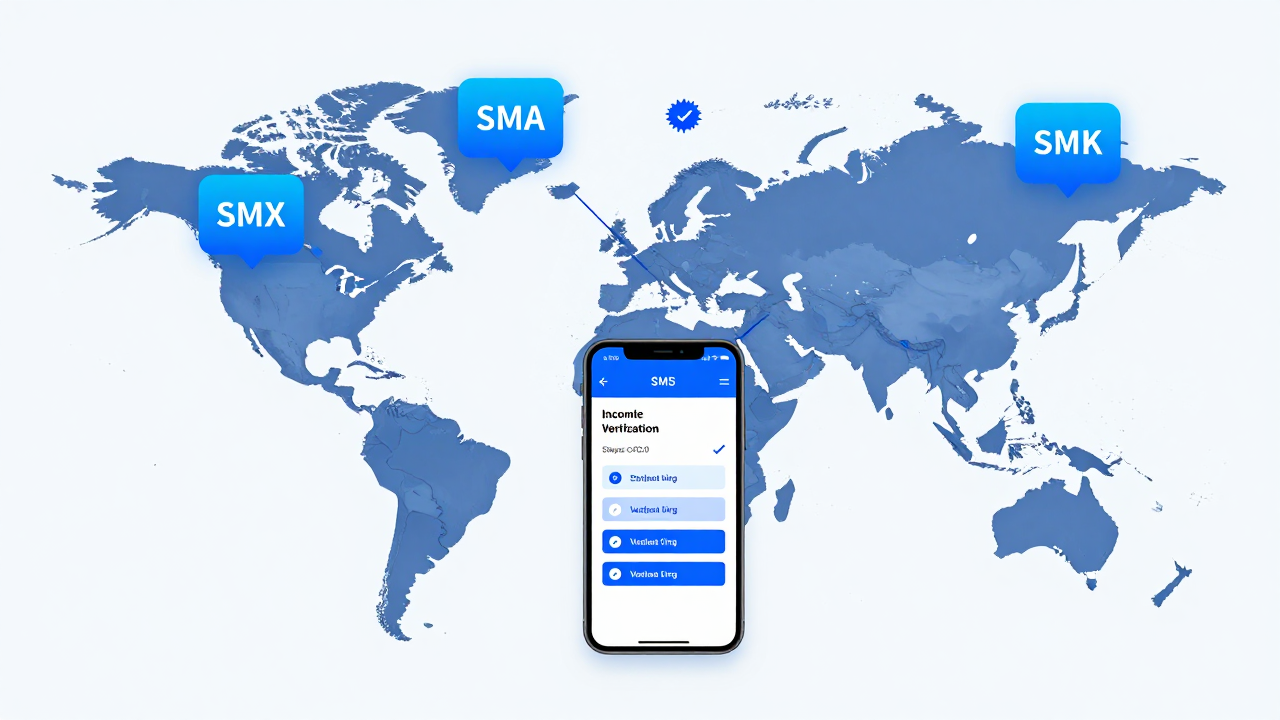
Looking for a reliable way to receive SMS verification codes in 2026? The go-to solution for cross-border businesses is using a professional virtual number platform that provides temporary or long-term overseas numbers for instant SMS reception. Teams using this approach typically see a 3–5x boost in account registration speed, with delivery rates holding steady at 90%–98% across 200+ countries and regions.
Why Cross-Border Businesses Need to Receive SMS Verification Codes
In 2026, major ecommerce platforms, social media networks, and SaaS tools all require phone number verification. Cross-border teams registering overseas accounts, managing multiple stores, or testing region-specific services constantly need to receive SMS verification codes. Relying on domestic SIM cards is not only expensive—it simply doesn't work for international numbers.
Take Amazon, TikTok Shop, and WhatsApp Business as examples. By 2026, their registration and security verification flows have been fully upgraded, with most now requiring a local number from the target market. Any cross-border team that can't quickly receive SMS verification codes will find their account registration speed and business expansion taking a direct hit.
Industry consensus: 2026 data shows that roughly 60%–75% of global cross-border account registrations still depend on SMS verification—and that number is climbing. Fast SMS reception has gone from a "nice to have" to a "must have."
Comparing the Top SMS Verification Methods in 2026
Each of the three main approaches has its trade-offs. Free platforms work for low-frequency testing, paid services suit day-to-day operations, and self-hosted SIM banks are best for high-volume enterprise needs. The right choice depends on your business stage and budget.
| Method | Best For | Number Stability | Cost Structure | Compliance Risk |
|---|---|---|---|---|
| Free SMS Platforms | One-off tests, low-frequency single registrations | Low (shared numbers, can expire anytime) | Free | Medium–High (unclear number sources, easy to get banned) |
| Paid SMS Platforms (e.g., Getfollow, SMSBower, GrizzlySMS) |
Daily operations, bulk account management, multi-region verification | High (dedicated numbers, long-term use) | Per-SMS or monthly plans, $0.05–$0.50 per code | Low (legitimate providers with compliant operations) |
| Self-Hosted SIM Banks | Large-scale bulk operations, enterprise-level needs | Highest (physical SIMs, full control) | High upfront hardware cost, $500–$5,000 initial investment | High (you bear full compliance responsibility for number sources) |
From what I've seen, most cross-border studios and small-to-mid-size teams in 2026 lean toward paid SMS platforms. They get stable numbers and real-time delivery without breaking the bank. Getfollow and similar services are common picks in this tier thanks to their broad country coverage and platform compatibility.
How to Pick a Reliable SMS Verification Provider
Choosing a provider comes down to five criteria: number source legitimacy, platform compatibility, delivery speed, customer support responsiveness, and number reuse policies. Industry data from 2026 shows that top providers deliver verification codes within 5–30 seconds on average, with fewer than 30% of platforms hitting the sub-10-second mark.
Here's what to look for:
- Number Source Compliance—Make sure the provider sources numbers from legitimate carriers, not black-market SIM banks. In 2026, major platforms like Google and Meta have stepped up their virtual number detection, and using shady numbers is a fast track to mass account bans.
- Platform Compatibility—Check whether the service covers the specific platforms you need, such as TikTok, WhatsApp, Telegram, PayPal, or Amazon.
- Delivery Speed—Go with providers that offer real-time push notifications via Webhook or API callback so you're not stuck manually refreshing.
- Transparent Pricing—Industry best practice is pay-per-successful-delivery. Watch out for services that charge you even when no code arrives.
- Customer Support Quality—24/7 support is a must for cross-border operations. Time zone differences mean you might need an emergency number swap at any hour.
Real-world example: A cross-border team used a free SMS platform to register 50 TikTok accounts in early 2026. Because the numbers were shared and sourced from questionable channels, all 50 accounts were banned within three days—a direct loss of roughly $2,000 in operational investment. A legitimate provider would have prevented that.
How to Receive SMS Verification Codes: Step-by-Step Workflow
The standard flow has four steps: pick a provider and sign up → choose your target country and platform → get a virtual number → request the verification code on your target platform and receive the SMS. No physical SIM card needed, and the whole thing usually takes 2–5 minutes.
- Sign up and top up—Create an account on your chosen SMS platform and add funds. Most accept USDT, PayPal, and credit cards.
- Select country and platform—For example, choose "United States + TikTok" and the system assigns a local US number.
- Request the code—Enter the number on TikTok's registration page and hit "Get Verification Code."
- Receive and enter—The SMS platform displays the code within seconds. Copy it into the target platform and you're done.
Pro tip: Some platforms support API integration, which auto-forwards verification codes to your own system. This is a game-changer for bulk operations. In 2026, services like Getfollow offer standard RESTful API endpoints that let cross-border teams build fully automated SMS reception workflows.
Risks and Compliance Tips for SMS Verification
Multiple countries have introduced regulations around virtual numbers and SMS verification services in 2026. Make sure your use case is legitimate—account registration, service verification, and business testing are all fine. Using these services for fraud, fake orders, or coupon abuse can trigger criminal liability.
Compliance lines you should never cross:
- Don't use SMS platforms for banking, financial, or government-related verification.
- Don't mass-register accounts for spam, fake transactions, or scam operations.
- Watch the terms of service—platforms like OpenAI and Claude explicitly banned virtual number registrations in 2026. Violating these rules can get your accounts banned with no appeal.
What I recommend: Set up an internal SMS usage policy, audit your number sources regularly, sign service agreements with compliant providers to define liability, and keep SMS reception logs for traceability.
Frequently Asked Questions
How long does it take to receive an SMS verification code?
Most mainstream SMS platforms in 2026 deliver codes within 5–30 seconds. Top-tier providers can get it down to 3–10 seconds for US and European numbers. If you haven't received anything after 2 minutes, try swapping to a different number.
What's the difference between free and paid SMS verification platforms?
Free platforms use shared, public numbers—anyone can see the SMS messages sent to that number, which is a serious privacy risk. The numbers also tend to have short lifespans and are more likely to be flagged as virtual by target platforms. Paid platforms offer dedicated or semi-dedicated numbers with better delivery rates, stronger compatibility, and long-term usability for ongoing business needs.
How do I choose a trustworthy SMS verification provider?
Evaluate five dimensions: number source legitimacy (are they from real carriers?), platform compatibility (do they cover the services you need?), delivery speed (real-time push is a plus), pricing transparency (pay-per-successful-delivery is best), and support availability (24/7 is ideal). Getfollow, for example, covers 180+ countries, offers API integration, and has a solid reputation in cross-border communities. Start with a small test to verify compatibility before committing to a larger plan.
Can using an SMS verification platform get my accounts banned?
There is some risk. In 2026, Google, Meta, TikTok, and OpenAI are all upgrading their virtual number detection. To reduce the chance of bans: use long-term dedicated numbers instead of one-time numbers, avoid registering on the same platform in rapid succession, and pick number ranges that have high compatibility with your target platform. Reputable providers refresh their number pools regularly to stay ahead of detection algorithms.
Is it legal to use an SMS verification platform?
It depends on how you use it. Using SMS platforms for normal account registration, service verification, and multi-region business testing is perfectly legal. However, using them for telecom fraud, fake orders, coupon abuse, or malicious registrations is illegal. In 2026, several countries have expanded criminal enforcement against malicious use of SMS platforms for black-market operations. Always follow local laws and regulations.
Here's the bottom line: to receive SMS verification codes efficiently, choose the right provider and method for your business needs. In 2026, cross-border teams should prioritize compliance and number stability over chasing the lowest price. Start with a professional paid platform, run a small test to verify compatibility, and scale up from there. That's how you keep your operations running smoothly while staying on the right side of the rules.