Reliable SMS Verification Services: What Cross-Border Pros Won't Tell You
Reliable SMS Verification Services: What Cross-Border Pros Won't Tell You
After years in the cross-border space, I've watched too many small studios lose accounts because of sketchy SMS verification. Either the number dies mid-registration, or freshly warmed-up accounts get flagged and banned in batches. Plenty of platforms claim to be "stable," but the ones that genuinely deliver reliable SMS verification? You can count them on one hand. Let's skip the marketing fluff and talk about what insiders actually look for.
Reality Check: Cheap SMS Codes Often Backfire Months Later
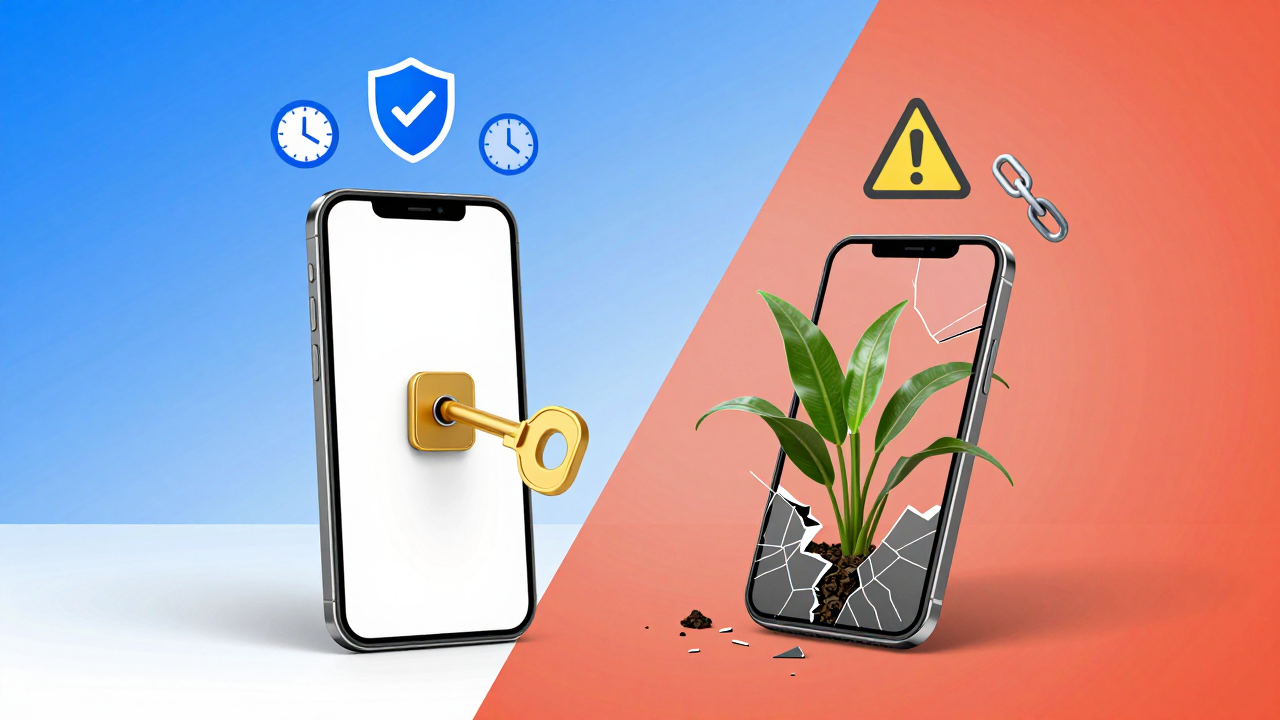
When small teams start out, they often chase the cheapest option—numbers at a few cents apiece. Sure, the code arrives instantly during registration, but the headaches pile up later: accounts constantly triggering risk controls, failing two-factor authentication, or getting permanently banned for "suspicious registration." The reason is simple—cheap numbers are usually recycled IoT cards or heavily reused segments that major platforms have already flagged.
From my experience, cross-border teams that operate long-term aren't that price-sensitive. They care more about number "purity" and "lifespan." A seasoned account is worth far more than the few dollars you save on verification costs.
Three Hard Criteria for a Reliable SMS Verification Platform
How do you separate the real players from the pretenders? Skip the ads and check these three things:
- Are the numbers exclusive and compliant? Legitimate platforms use carrier partnerships or physical overseas SIM banks—not bulk-registered virtual numbers. Exclusive resources mean lower contamination rates and higher registration success.
- Does it cover major overseas platforms? Can it consistently receive codes for WhatsApp, Telegram, TikTok, Amazon, and other cross-border essentials? Some small platforms only support obscure sites, which makes them nearly useless.
- How fast is customer support? Missed codes happen. A solid provider should offer number replacement or refunds within minutes—that directly impacts your workflow.
Platforms like Getfollow have built a solid reputation in the industry by following this exact playbook. They don't lure users with rock-bottom prices; instead, they invest in maintaining and refreshing their number pool. That's why they retain so many long-term clients.
Don't Overlook "Number Lifespan"—The Hidden Metric
Most people only ask, "Will I get the code?" But there's a bigger question: how long does the number stay active? If the platform reclaims the number right after you register, you're stuck when you need SMS verification for password resets or login confirmations later. A dependable service typically guarantees number retention for at least a few hours—some even support same-day re-receipt.
Industry consensus: SMS verification isn't just about receiving one message. It's the first line of defense for your account's entire lifecycle. That's why providers offering real-time status checks and visible countdown timers on number validity are usually worth sticking with.
Why "Stability" Has Become a Luxury in This Industry
Let's be honest—the SMS verification landscape has shifted. Overseas platforms now deploy far smarter risk-control algorithms that detect virtual number segments with impressive accuracy. Smaller providers, lacking the technical firepower, see their number pools banned in bulk. They scramble to swap segments, only to spiral into a cycle of user complaints, churn, and more number changes.
Meanwhile, demand keeps climbing. Cross-border payments, overseas social media management, multi-store e-commerce—every corner needs verification codes. That mismatch has created a market where reliable SMS verification resources concentrate in the hands of a few technically capable, service-oriented providers.
A common pattern we see: experienced cross-border operators no longer pay attention to ad spend. They look at renewal rates instead. If a platform retains most of its customers, its stability has likely passed the test.
Practical Advice for Small Studios
If you're running a lean team with limited budget, here's my take: treat SMS verification as infrastructure, not a disposable expense. Start with a small test batch—say, a $10 top-up—and evaluate three things: registration success rate, number lifespan, and support response time. Once a platform proves itself, scale up gradually.
Also, always clarify the refund policy upfront. Trustworthy providers offer unconditional refunds or instant number swaps for undelivered codes. If they dodge the question, expect subpar service down the road.
At the end of the day, reliable SMS verification is really about buying continuity for your business. Instead of hopping between budget platforms, invest time in locking down one or two stable channels. Platforms like Getfollow that stick to compliant practices may not be the cheapest upfront—but over the long run, the time and account costs you save far outweigh the price difference.
Cross-border business is already hard enough. Don't let something as basic as SMS verification drag you down. Pick the right tool, and you can focus your energy on what actually generates revenue.
Frequently Asked Questions
What makes an SMS verification service "reliable"?
Reliability comes down to three factors: exclusive and compliant number sources, consistent delivery across major platforms like WhatsApp and Telegram, and responsive support that replaces numbers or refunds quickly when codes fail to arrive.
Why do cheap SMS verification numbers get accounts banned?
Low-cost numbers are often recycled virtual or IoT segments that platforms have already flagged. Using them triggers risk controls, leading to failed verifications, locked accounts, or permanent bans—especially when platforms detect patterns across multiple accounts sharing the same number pool.
How long should an SMS verification number stay active?
Quality providers retain numbers for at least a few hours post-registration, with some supporting same-day re-receipt. This matters for two-factor authentication, password resets, and other follow-up verifications that occur after the initial signup.
Can I use one SMS verification platform for all my accounts?
It's possible, but smart operators diversify across two trusted providers. This reduces single-point failure risk and lets you compare performance. Just ensure both platforms cover the specific services you use—coverage varies significantly.