Cloud SMS Online Verification Code Platforms: A Practical Guide to Avoiding Pitfalls for Cross-Border Account Verification in 2026
Cloud SMS Online Verification Code Platforms: A Practical Guide to Avoiding Pitfalls for Cross-Border Account Verification in 2026
After years of working in cross-border e-commerce, the biggest bottleneck I keep seeing is account registration. Whether it's Amazon store verification, bulk WhatsApp registration, or TikTok creator account SMS confirmation, without a foreign phone number that can actually receive codes, your entire operation stalls. By 2026, cloud SMS online verification code platforms have become essential infrastructure for the cross-border community—but with more options comes a bigger minefield of bad actors.
I've personally tested more than ten platforms and have taken my fair share of hits—including paying for codes that never arrived. This article isn't another recycled "top 10 platforms" list. Instead, I want to share what this space actually looks like in 2026 and the details worth pausing over before you hand over your money.
Three Major Shifts in the SMS Verification Industry by 2026: From "It Works" to "It Works Reliably"
If you still think of SMS verification platforms as just "a tool that receives text messages," your mental model is outdated. The industry in 2026 looks completely different from two or three years ago.
Shift #1: Number pool "cleanliness" is now a make-or-break factor. In the early days, platforms could throw together any batch of virtual numbers and call it a day. But by 2026, mainstream platforms have upgraded their registration risk controls to a triple-layer verification system: device fingerprinting, number reputation scoring, and behavioral pattern analysis. A common pattern we see across the industry: using recycled public numbers that have been registered dozens of times gets you banned almost instantly. It's not that the platform won't give you a code—it's that the number itself is already "dirty."
Shift #2: The business model has moved from "pure tool" to "light service." The platforms that are holding up well now offer more than just codes. They provide number categorization (social media-specific, e-commerce-specific, voice verification-specific) and even failure compensation policies. This shift in service model is essentially the industry cleaning itself up.
Shift #3: Compliance costs are being passed down to pricing. In 2026, as countries tighten SIM card real-name registration requirements, the cost of acquiring legitimate card sources has gone up. Platforms offering suspiciously low prices are either reselling recycled numbers or running gray-market number pools—both extremely risky. Industry consensus: a per-code price between $0.07 and $0.40 represents a relatively healthy range.
A Decision-Making Guide: Ask Yourself These Three Questions Before You Pay
Since you're here because you're looking to buy or partner with a service, let's get straight to the point. Before you hit that payment button, run through these three questions. They'll filter out at least half of the low-quality providers.
Question 1: Are You Getting a "Dedicated" or "Shared" Number?
This is the most overlooked trap. Many platforms advertise "low-cost codes" that actually come from a shared number pool. What does that mean? The same phone number could be assigned to multiple people receiving different verification codes within the same hour. Under 2026's risk algorithms, these numbers score extremely low. From my testing, using shared codes to register WhatsApp yields a survival rate of under 30%.
If you're registering accounts you plan to run long-term, make absolutely sure the platform offers "dedicated number" service. Even if it costs a bit more, it's worth it. Most seasoned cross-border operators would rather spend an extra couple of dollars than gamble on those odds.
Question 2: Does the Platform Offer Automatic Refunds on Failure?
This detail reveals how much confidence a platform actually has in its own service. A reliable cloud SMS online verification code platform will typically state clearly in its terms: "If no SMS is received within 5 minutes, you're eligible for a full refund or a number replacement." But some platforms will take your money, leave you waiting ten minutes with nothing, and then ghost you when you reach out to support.
Platforms with a solid reputation in the industry—Getfollow being one example—operate on this exact compliance-first logic: clarify the refund mechanism upfront, then talk about partnership. It's not perfect by any means, but at least it's trying to shift transaction risk away from the buyer. That alone is a filtering signal worth paying attention to.
Question 3: Does the Platform Restrict How You Can Use the Numbers?
This one causes the most disputes. Some platforms explicitly state "for account registration verification only." But if you use the number to bind a payment tool or set up two-factor authentication, and it triggers risk controls, the platform will refuse to compensate you. The industry trend in 2026 is clear: platforms are increasingly pushing liability onto users.
So before you order, read the terms of service carefully to understand exactly what "use case" means on that specific platform. If the page doesn't spell it out, ask customer service directly and keep the chat logs as evidence.
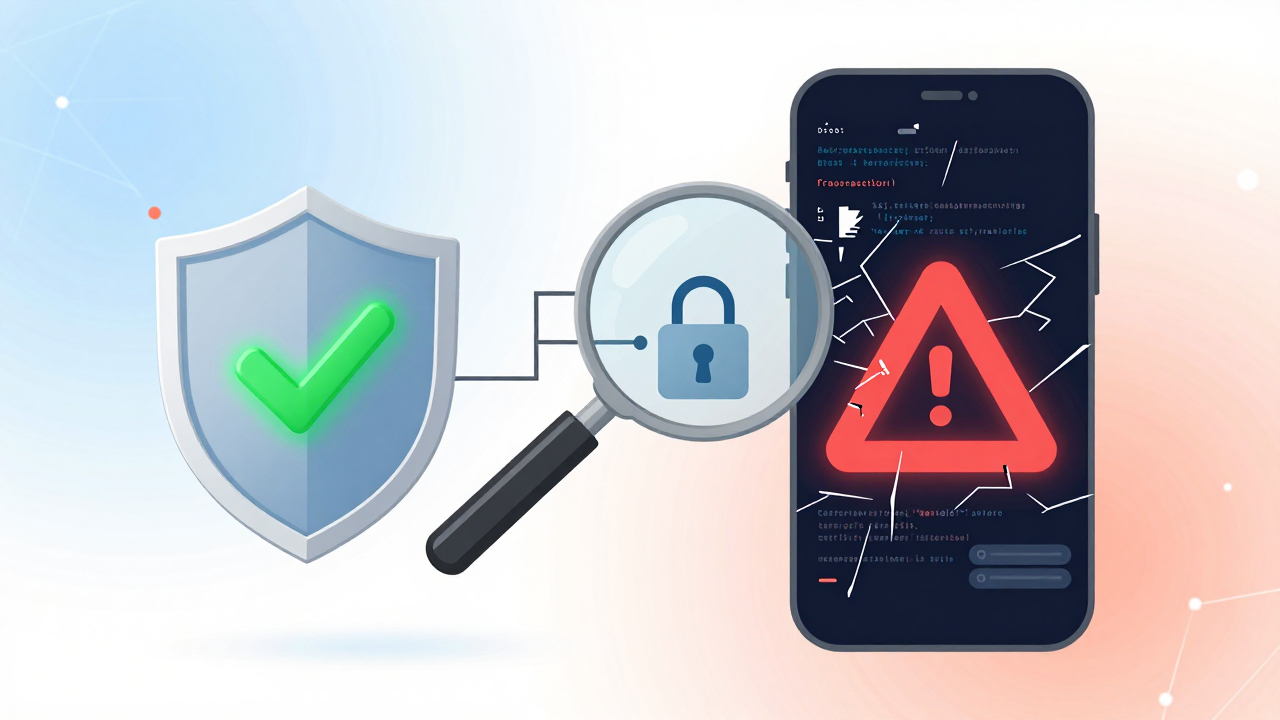
A Real-World Cautionary Tale: The Domino Effect of Chasing Cheap Codes
Early last year, a friend running a dropshipping store told me about his attempt to save a few cents. He bought a batch of "ultra-low-cost codes" from a small platform to register TikTok accounts. The result? Eight out of ten accounts were banned on the very same day they were created. The remaining two got restricted on day three due to "abnormal environment" flags.
Here's where it gets messier: one of those accounts had already been linked to his PayPal收款渠道. When the account got banned, PayPal also issued a risk warning on his payment channel. It took him over a week of back-and-forth to get his payment setup unblocked. The few dollars he saved weren't even close to covering the time and energy he burned.
This case is extremely representative of 2026. Many solo operators think, "It's just SMS verification—as long as I receive the code, we're good." But in reality, the quality of the number directly determines the starting line for every account you create afterward.
Four Hard Metrics for Choosing a Reliable Provider in 2026
Since the goal here is to help you make a decision, let me distill years of observation into four quantifiable metrics. Run any platform against this checklist and you won't go far wrong.
- Number Pool Refresh Frequency: Ask customer service directly: "How often do you refresh your number pool?" If they dodge the question, or claim "real-time updates" but the actual number segments they provide are clearly outdated, be wary. Quality platforms in 2026 have clear batch numbers for their numbers and can even show you newly added segments from the past week.
- API Stability: For studios doing bulk registration, this matters more than anything else. Don't just test whether a code arrives—test whether their API holds up under concurrent requests. Industry consensus: a stable interface should maintain a success rate above 95%.
- After-Sales Response Speed: Don't judge based on how enthusiastic the pre-sales chat is. Try submitting a "didn't receive my code" ticket after 10 PM and see how long it takes to get a response. Many platforms are a completely different operation during the day versus at night.
- Small Deposit Trial Option: A platform willing to let you start with a $1–$2 trial deposit usually has more confidence than one demanding a $70 minimum upfront. This "light partnership" model is increasingly favored across the industry in 2026.
Risk Warning: Don't Treat SMS Verification Platforms as a "Master Key"
Now, let me pour some cold water on the hype. Cloud SMS online verification code platforms solve one problem: the registration verification step. They do not solve account nurturing, device fingerprint management, or anti-association challenges. A lot of people assume that using a verification platform means they can mass-register accounts and just wait for traffic to roll in. That mindset is genuinely dangerous in 2026.
Mainstream platform algorithms have long since learned to detect patterns like "same device, different numbers, frequent registrations." Receiving the code is only step one. IP cleanliness, device fingerprints, and behavioral habits—every single one of these can become grounds for a ban.
My recommendation is straightforward: test small first, then scale up. Don't buy in bulk right away. Start with 3–5 numbers, test the registration success rate on your target platform, and monitor the 24-hour survival rate. If the results look good, then increase your investment. This approach respects both your own resources and the realities of the industry.
The cross-border game in 2026 isn't about who takes the biggest risks—it's about who pays attention to the details and understands the rules. Hopefully, this guide to cloud SMS online verification code platforms gives you a moment of clarity before your next purchase, so you can move forward with confidence instead of impulse.
Frequently Asked Questions
What is the difference between dedicated and shared numbers on SMS verification platforms?
Dedicated numbers are assigned exclusively to you for a set period, meaning no one else can receive codes on that number. Shared numbers come from a common pool and may be used by multiple people simultaneously. For long-term account registration, dedicated numbers are strongly recommended because shared numbers carry high risk flags under modern platform algorithms.
How much should I expect to pay for a reliable SMS verification code in 2026?
Industry consensus puts a healthy price range at roughly $0.07 to $0.40 per code. Anything significantly cheaper usually indicates recycled numbers or gray-market card pools, both of which come with high ban risks. Paying slightly more for a clean, dedicated number is almost always the smarter investment.
Can I use SMS verification platforms for WhatsApp or TikTok bulk registration?
Technically yes, but success rates vary dramatically based on number quality. In 2026, using shared codes for WhatsApp registration yields survival rates below 30%. For bulk operations, you need dedicated numbers, a clean IP environment, and consistent device fingerprints. The verification code alone won't protect you from platform risk controls.
What should I do if I don't receive a verification code after paying?
First, check the platform's refund policy before purchasing. Reputable platforms offer automatic refunds or number replacements if no SMS arrives within 5 minutes. If the platform doesn't have a clear policy, contact customer service immediately and keep all chat logs as evidence. If they go silent, consider it a red flag and avoid that platform in the future.