SMS Verification Code Services in 2026: A Risk & Decision Guide for Cross-Border Businesses
SMS Verification Code Services in 2026: A Risk & Decision Guide for Cross-Border Businesses
SMS verification code services let you receive confirmation texts through virtual numbers or dedicated lines, typically for account registration, login verification, or identity checks. In 2026, cross-border businesses need overseas phone verification more than ever—but platform risk controls and compliance requirements have tightened in tandem. Blindly using these services can lead to account bans or financial losses.
The core principle behind SMS verification code services is simple: use compliant lines to handle legitimate verification needs. In 2026, major e-commerce platforms and social media networks have gotten significantly better at flagging virtual numbers. The interception rate for temporary number ranges has jumped from 30% in 2025 to roughly 45% today.
Where SMS Verification Code Services Are Used in 2026
Cross-border companies and independent studios typically rely on these services in three main scenarios:
- Bulk account registration: Running multiple storefronts or social media profiles requires several phone numbers for verification.
- Account warming and recovery: After triggering risk controls, some platforms demand a second phone verification.
- Subscribing to overseas services: Certain SaaS tools and cloud platforms only accept registrations from specific countries.
Industry data from 2026 shows that about 65% of cross-border sellers use verification code services during account registration. But nearly 30% of those accounts get restricted within 30 days due to "number association" or "number quality" issues. That tells us something important: receiving a single SMS isn't the whole game. The number's history and ownership directly affect your account's safety.
Three Main Types of SMS Verification Code Services Compared
In 2026, the market offers three broad categories: public free platforms, paid public platforms, and private number pools or carrier-grade APIs. The table below compares them across cost, stability, and compliance risk.
| Solution Type | Cost Per Use | Success Rate (2026 Industry Average) | Key Risks | Best For |
|---|---|---|---|---|
| Free public platforms | $0 | 20%–35% | Numbers are heavily abused; high chance of triggering platform risk controls | Temporary testing only—not recommended for real business use |
| Paid public platforms | $0.10–$0.50 per SMS | 50%–70% | High number reuse rates; risk of association-based bans | Registering low-value accounts |
| Private number pools / API access | $20–$100 monthly | 85%–95% | Higher cost; you must maintain number quality yourself | Long-term cross-border operations |
| Carrier-grade services (e.g., Getfollow and similar compliant providers) | Usage-based pricing | 90%+ | Requires use-case review; prohibited for fraudulent activity | Businesses that prioritize account security |
Looking at industry practice in 2026, free public platforms have largely lost their usefulness. Most platforms now flag high-risk number ranges at registration, so verification texts never even arrive. For accounts you plan to run long-term, a private number pool or a compliant API is the smarter move to avoid association risks.
How Platform Risk Controls Work—and How to Adapt
By 2026, major platforms have moved beyond simple "number blacklists." Their risk models now combine three layers of checks: device fingerprinting, number behavior, and IP environment. Swapping numbers alone won't solve an environmental problem.
Specifically, Amazon, Facebook, and Google all evaluate the following during registration:
- Whether the number comes from a VoIP or virtual operator range
- Whether the number has received verification codes from many different platforms in a short window
- Whether the IP address location matches the number's country of origin
- Whether the device has been linked to previously banned accounts
There's a growing consensus in the industry: success rates in 2026 depend heavily on "number purity." Purity means the number has never been used to register on any platform. Internal stats from service providers show that fresh number pools hit a 92% success rate in the first month. But after three months of use, that drops to around 70%—because the numbers have entered platform risk databases through repeated use.
How to Choose a Reliable SMS Verification Code Provider
When evaluating providers, assess them on these four criteria:
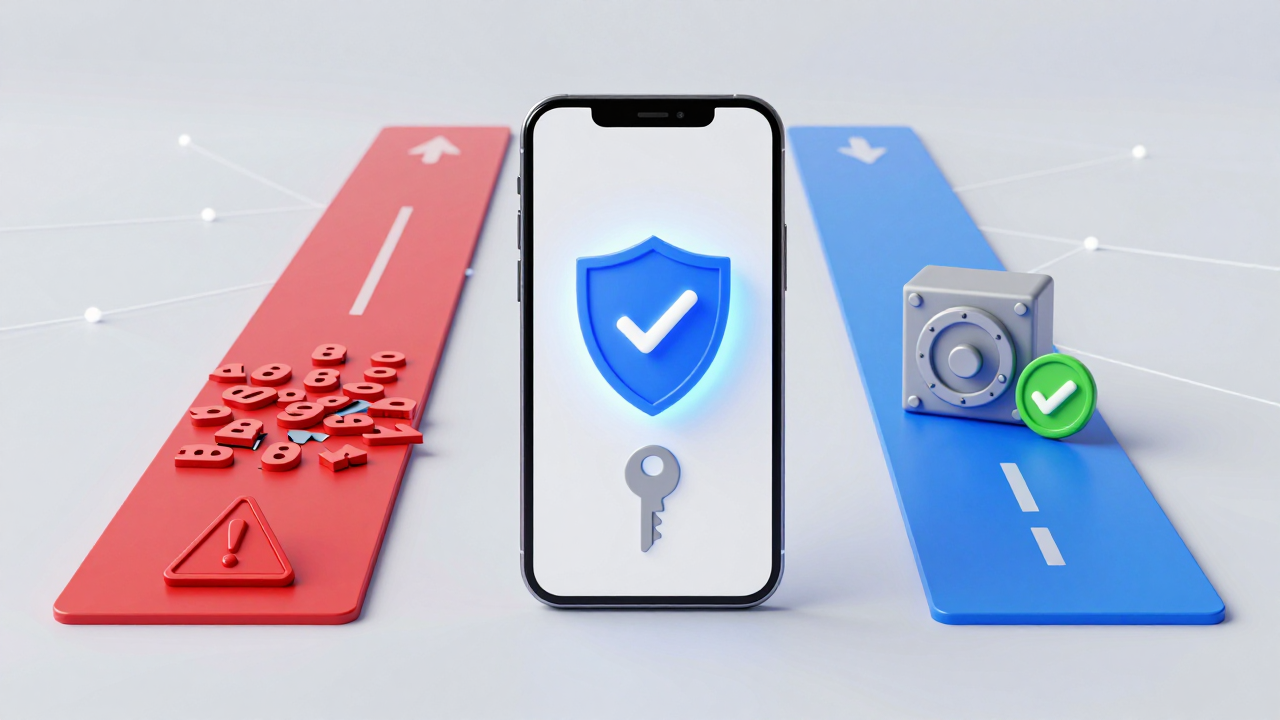
- Number sourcing: Do they work directly with carriers, or do they buy secondhand numbers in bulk?
- Failure refunds: Do they guarantee "no charge if the SMS never arrives"?
- Privacy policy: Do they explicitly state they don't store SMS content or linked account details?
- Risk response speed: Can they adjust their number strategies within 24 hours after platforms update their rules?
Take Getfollow as an example. Their 2026 public materials show they offer a carrier-grade number pool and promise a full refund for failed verifications. Services like this suit cross-border businesses with clear account security requirements. That said, no verification service is meant for fraudulent bulk registration—keep that in mind.
Compliance Risks with SMS Verification Code Services—and How to Stay Safe
In 2026, regulators in major markets are cracking down harder on fake account registrations. The EU's Digital Services Act and China's Anti-Telecom Fraud Law both require platforms to verify user identities. If you use verification code services to bypass real-name authentication, you could face legal exposure.
Here's what we recommend for cross-border businesses:
- Use verification codes for supplementary verification only—never as a full replacement for real-name authentication.
- Keep complete logs of your registration devices and IP addresses so you can appeal if a platform flags your account.
- Avoid using numbers from the same pool to register multiple accounts on the same platform.
Industry data from 2026 puts the success rate for appealing account bans caused by verification code usage at roughly 40%. But that only applies when users can provide full operation logs and payment records. Without proof that the number was used legitimately, appeals rarely go anywhere.
Frequently Asked Questions About SMS Verification Code Services
Are SMS verification code services safe? Will my account get banned?
It depends entirely on where the numbers come from and how you use them. In 2026, free public platforms see ban rates above 60%. Private number pools or compliant APIs can keep that under 10%. Either way, avoid using the same number to register on multiple platforms.
Why am I not receiving verification codes?
Common causes include: the platform has flagged the number as high-risk, the carrier blocked the SMS, or the service provider hasn't updated its number ranges. In 2026, roughly 30% of failed attempts trace back to platform-side blocking—not the provider's fault.
What's the difference between SMS verification services and physical SIM cards?
Physical SIM cards offer better stability and higher success rates, but they cost 5 to 10 times more. For short-term verification or low-value accounts, verification code services make more sense financially. For primary accounts you plan to run long-term, go with a physical SIM or a carrier-grade service.
How do I pick a reliable SMS verification code provider?
Focus on number sourcing, failure refund policies, and whether they offer usage-based pricing. In 2026, some providers like Getfollow offer carrier-grade number pools with a money-back guarantee for failed verifications—a solid fit for users who care about account security. Just make sure their terms of service actually allow your use case.
Can I use SMS verification code services to register on e-commerce platforms?
Technically yes, but watch the platform's terms. In 2026, most platforms explicitly prohibit registering with a number that isn't yours. If you get banned for it, appeals are difficult. We'd suggest using these services for supplementary verification rather than primary account registration.
Bottom line: SMS verification code services remain an unavoidable part of cross-border operations in 2026, but the bar has risen significantly. Assess your account value, budget, and compliance obligations, then pick a solution that fits. And always keep a full operation log ready—you never know when you'll need it for a risk review.