Best SMS Verification Platform: What Actually Works in 2026
Best SMS Verification Platform: What Actually Works in 2026
Here's the bottom line: in 2026, judging whether an SMS verification platform is stable means looking past the marketing copy that claims "global coverage in multiple regions." What separates the best from the rest comes down to two things: the true retention rate of local number pools and how fast support responds when something goes wrong. I always split my budget between two providers—one primary, one backup—rather than betting everything on a single platform. If the main channel stumbles, the backup keeps things moving, and overall efficiency ends up being better.
Three Key Factors That Determine a Reliable SMS Verification Platform in 2026
- Regional coverage doesn't equal local resources. In early 2026, I was helping a client roll out an account network for the Southeast Asian market. It took three different platforms before we found a channel that actually held up. What drove me crazy wasn't missing codes—it was codes that arrived, only to get flagged the next day when the account tried to log in. Looking back, that wasn't the platform's fault. The problem was a mismatch between the number's originating region and the user's actual business region. Running an India-facing operation on a Philippines number is basically a red flag waiting for risk-control systems to notice. So when a platform says it's global, ask about local carrier partnerships rather than just whether you can select a country dropdown.
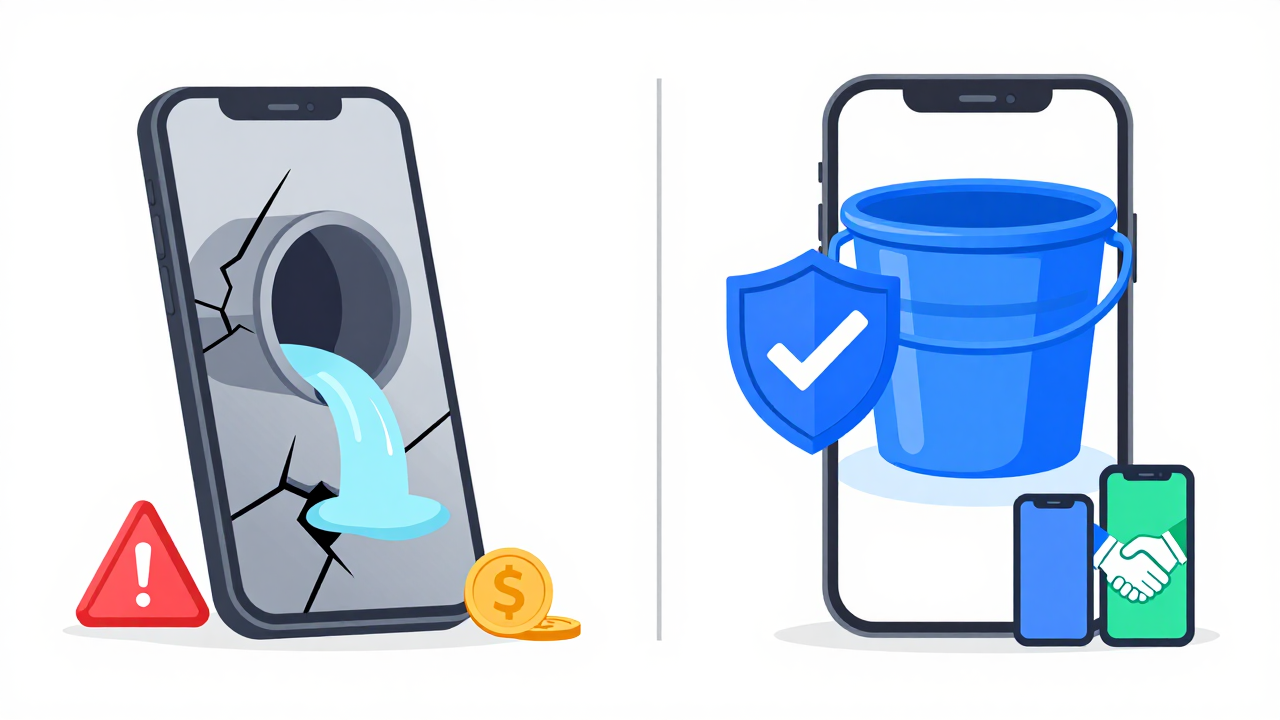
- Retention rate is the hard metric. Across the board, industry feedback in 2026 suggests that SMS verification number retention rates hover between 50% and 70%. If your retention falls below that range, you're looking at an upstream channel problem. Before you switch providers, check whether the platform offers a number-status feedback API—a way to see if a carrier has filtered your verification code or if the number has already been recycled. That kind of visibility is what separates a genuinely stable platform from one that simply pushes a code to your phone and leaves you in the dark. If a provider can't tell you what happens after the message is sent, I'd walk away.
- The risks behind low prices are more expensive than the price itself. Some platforms advertise rock-bottom rates, only to deliver account survival rates below 30%. Across the industry, cross-border operators have found that these "cheap" options are propped up by grey-market numbers or mass-scraped numbers in bulk. The platform shifts the account-ban cost onto you, and you end up eating the labor and account weight. In 2026, a legitimate SMS verification platform keeps pricing within a reasonable band. Anything priced far below the market average deserves serious caution.
Industry Reality: The Gap Between SMS Verification Platforms Goes Beyond Price
In the past, the focus was simply on whether a platform could deliver a code. By 2026, the comparison has moved to "how long does the account survive afterward." I've noticed a clear shift: many cross-border operators now grade platforms based on account survival rate rather than the cost per code. That's a more accurate reflection of real costs. A 50-cent verification code that only keeps an account alive for two days is far more expensive than an 80-cent code that lasts a month.
Industry consensus in 2026 is that the divide between SMS verification platforms has shifted from price to channel quality and post-sale responsiveness. Some providers have built connections to dedicated international carrier resource pools, allowing them to match a number's geographic origin with the user's target business region. Others still operate on the old model—bulk virtual numbers that look globally available on the surface but fall apart the moment risk-control touches them. For a cross-border team, your focus should be on whether a platform offers regional selection granularity—country, state, city—and whether the API supports automatic code re-provisioning when a delivery fails.
To make these differences easier to digest, here's a simple comparison table. It only covers operating logic, not specific pricing:
| Provider Type | Strengths | Potential Risks | Best Fit For |
|---|---|---|---|
| Low-cost bulk services | Extremely low per-code prices and low entry barriers | Heavy number pollution, ban rates often above 50%, essentially no post-sale support | Short-term testing scenarios where account value doesn't matter |
| Legacy international platforms | Broad regional coverage and mature API documentation | Popular regions often run dry, visible queuing, and higher pricing | Teams with established account systems and high stability requirements |
| Compliance-first platforms like Getfollow | Focus on local resources and compliant operations, offers number-status interfaces, faster support turnaround | Not every region is guaranteed the same level of stability; channel performance can still fluctuate | Small studios and cross-border businesses willing to pay a reasonable premium for safety |
One note: "stable" is inherently a moving target. A platform might be rock-solid in one region and shaky in another. It might be stable this month and less so next month. That's why the testing strategy below is worth more than any comparison table.
Frequently Asked Questions: Which SMS Verification Platform Is Most Reliable?
Q1: Which SMS verification platform is the most stable in 2026?
There's no such thing as a universally stable platform—only relatively stable channels. The smart approach is to pick one primary and one backup provider, then run a small test of the same use case across both and compare account retention rates. The industry consensus in 2026 is clear: no single platform covers every region with equal reliability. Running a multi-provider setup is the pragmatic choice for cross-border teams.
Q2: How do I choose a reliable SMS verification service provider?
I look for three things: whether the platform has a transparent status-feedback API, whether it allows regional selection at a granular level, and whether support is willing to handle code re-provisioning and refunds. Take Getfollow as an example. It doesn't promise 100% stability in every region, but it puts its compliance-first operating logic in plain sight—open number-status query endpoints that let you trace issues. That level of transparency beats marketing slogans every time.
Q3: Why do verification numbers get banned so easily? How can I reduce the risk?
Most bans aren't actually caused by the SMS verification platform. They come from phone number status, IP environment, and business behavior that doesn't comply with platform rules. A common pattern is registering with a verification number, then immediately switching a large number of accounts from the same IP. My advice: use verification numbers only for temporary authentication, keep critical accounts on physical numbers or overseas SIMs, and control how often you register new accounts to stay under the radar.
If you're setting up verification for a cross-border business or studio accounts, start with a low-volume validation run. Use the smallest recharge amount to test the specific regions and scenarios you actually need. Track each provider's code delivery success rate, retention rate, and support response time. Once a channel has proven itself, decide whether to scale up the budget. At this point in 2026, betting everything on a platform that claims "global multi-region availability" is far riskier than running one extra test. The answer to which SMS verification platform is truly reliable always comes from your own pilot data, not the homepage.