Best SMS Verification Platform for 2026: What Cross-Border Sellers Need to Know Before Downloading
Best SMS Verification Platform for 2026: What Cross-Border Sellers Need to Know Before Downloading
After years of working with cross-border sellers, I've watched too many teams stumble at the very first step: picking an SMS verification platform. The tools aren't necessarily bad—the real problem is that most people download without thinking through what they actually need. The 2026 landscape looks nothing like it did a few years ago, and if you're still using outdated criteria to choose your tool, you're setting yourself up for failure.
The Bottom Line: Prioritize Account Survival Rate Over Price in 2026
Too many newcomers start by asking, "Which platform is cheapest?" That's getting it backwards. I've talked to plenty of teams running TikTok account matrices, Amazon store registrations, and WhatsApp marketing campaigns—and their biggest pain point isn't the cost of credits. It's watching accounts get banned after three days of careful nurturing. In 2026, major platforms have upgraded their registration defenses to combine device fingerprinting with behavioral tracking. Receiving a verification code is just the beginning, not the finish line.
The industry consensus is clear: a verification platform's real value isn't in "receiving codes"—it's in how long that account survives after activation. I've personally tested several providers with different positioning, and survival rates range anywhere from 30% to 80%. That's a massive gap. So when you search for an SMS verification platform to download, don't just click the ads at the top of the results. Dig into industry forums and read what real users are complaining about.
A Real-World Cautionary Tale: The "Cheap Numbers" Trap
Take a friend of mine who runs a cross-border e-commerce business. In early 2026, trying to cut costs, he picked a provider with suspiciously low rates and bought 500 numbers to register Amazon buyer accounts. Within a week, over 400 were banned. The remaining 100 gradually lost their review privileges. When he had a tech-savvy friend investigate, they discovered the provider's number ranges had already been flagged as high-risk by Amazon. Every account registered from that IP block got caught in the crossfire. Classic case of saving pennies and losing accounts worth dollars.
My advice: before you download anything, ask customer support for their number survival rate over the past week. If they hem and haw or can't produce the data, move on to the next option. In 2026, providers still relying on information asymmetry to make money are generally not worth your time.
Three Things You Must Understand Before Downloading an SMS Verification Platform
First, number origin determines your business ceiling. If you're targeting Western markets, go with native numbers from the US, UK, or Canada. For Southeast Asia, Indonesian, Thai, and Vietnamese number ranges are far more practical. Many platforms advertise "global numbers," but what you're actually getting is a virtual number pool with forwarding—and those numbers trigger risk controls on social media platforms almost immediately.
Second, API stability matters more than how polished the app looks. By 2026, most serious teams are operating at scale. Manually copying verification codes is a non-starter. You need to confirm whether the platform offers API documentation and whether callback speed stays under 10 seconds. Some providers in the industry have peak-hour queues that stretch past 30 seconds—and that kind of delay is catastrophic when you're registering accounts in bulk.
Third, customer support response time directly affects your account assets. I've had numbers fail at 2 AM. The platform's support team didn't reply until noon the next day—and by then, that entire batch of accounts was a total loss. When evaluating platforms, prioritize providers with 7×24 technical support. Even if they charge 20% more per number, it's worth every cent.
The 2026 Industry Shift: Compliance Is Now the Dividing Line
There's a clear trend this year—platforms are tightening their API access, and non-compliant verification services are being systematically phased out. Several established providers have been forced to shut down or pivot because their number sources operated in a gray zone. Meanwhile, services that insist on real-name registration and number traceability are thriving. For example, Getfollow operates on a model that combines number pool isolation with simulated registration behavior, which has shown relatively stable survival rates under 2026's risk-control environment. That said, this is just one observation from the industry—you'll need to test whether it fits your specific use case.
Many cross-border professionals have noticed that pricing models shifted in 2026. Instead of per-message charges, more platforms now bill per "successful registration"—meaning you're only charged when the verification code is successfully delivered and the account stays active. This model is fairer for users, but it also means platforms are passing costs onto low-frequency individual users.
Individual Operators and Cross-Border Enterprises Need Different Approaches
If you're a solo operator running a dropshipping store or doing affiliate marketing with low volume, you'll want low minimum deposits and a wide variety of number types. Some platforms let you start with as little as $10, which is great for small-scale testing. But keep in mind: these platforms tend to have high number reuse rates. The same number might have been used by multiple users to register on different platforms, which can easily trigger account association flags.
For cross-border teams with 10 or more members, I strongly recommend going straight for enterprise API access. The minimum deposit is higher, but you get dedicated number ranges and concurrent request support. In 2026, several top-tier providers have introduced "isolated number pool" services where each client gets exclusive access to a batch of numbers. This dramatically reduces the association risk that comes with bulk registration.
Also, make sure the platform supports per-project billing. When different team members handle different sites, sharing one balance pool makes month-end reconciliation a nightmare. This is a detail most people overlook when downloading the app—and they only realize the problem once they're deep into operations.
The Download Channel Trap: Official App Stores Aren't Always the Safest Bet
Here's something I've noticed: in 2026, many SMS verification platforms operate primarily through Telegram channels or standalone websites. You often can't find them on the Apple App Store or Google Play. The reason is simple—Apple's review process is particularly sensitive to this category of tools and frequently removes them. As a result, many platforms only offer web versions or sideloaded installation packages.
A word of caution: never download "cracked" or "unlimited code" versions from third-party download sites. These builds are almost certainly injected with malware. At best, they'll steal your account credentials. At worst, they'll hijack your verification SMS. In 2026, there have already been multiple cases of WhatsApp accounts being compromised after users installed pirated verification tools. The losses were substantial.
The safest approach: get the official entry point through industry communities or peer recommendations, then visit the official website directly in your browser to download. After installation, verify the app's signature hash (on Android) or check that the developer name matches the official website (on iOS). These checks take only a few minutes but can protect you from 90% of phishing traps.
Quick Comparison: 2026 Service Models at a Glance
| Service Model | Best For | Risk Level | Pricing Structure |
|---|---|---|---|
| Public Number Pool | Personal testing, low-frequency registration | High (prone to association bans) | Per-message, low unit price |
| Isolated Number Pool (e.g., Getfollow's model) | Studio-scale operations, long-term account nurturing | Medium-low (numbers are independent) | Monthly or volume-based plans, slightly higher unit price |
| Custom API Integration | Enterprise-level automated workflows | Low (can bind to specific IPs) | Annual contracts, requires sales discussion |
Don't use this table to pick based on price alone. Use it to clarify what stage your business is at. If you're still in the testing phase, the public pool is fine—just keep your registration volume low and don't go overboard. If you've already validated your model and you're ready to scale, upgrade to an isolated pool or custom API sooner rather than later. Don't keep running naked in the public pool.
Frequently Asked Questions About SMS Verification Platforms
Why do accounts registered through verification platforms get banned almost immediately?
This usually points to number pool contamination. In 2026, mainstream platforms' risk controls log a number's registration history. If that number was previously used to register a batch of violative accounts, your new account inherits that "bad credit." The solution is to choose a platform that offers "number pre-checking"—a feature that lets you query whether a number has been flagged before you use it. Not all providers offer this, so you'll need to ask directly.
How do I pick a reliable SMS verification provider?
I've set strict criteria for my own team: First, they must have real-time live chat support, not just a ticket system. Second, they should provide weekly or monthly number survival rate reports. Third, they need to support small-scale testing (like $5 for 10 numbers). Fourth, they should have genuine user discussions in industry communities—not just a wall of bot reviews. Filtering by these standards, very few providers make the cut in 2026. Getfollow, mentioned earlier, has done solid work on isolated number pools and survival rate transparency, making it a good benchmark to compare other platforms against.
Will the verification platform leak my personal information?
Legitimate platforms don't store your verification code content—they only forward it in real time. But some smaller platforms secretly log SMS content and sell it. Here's how to check: look at the privacy policy to see if it explicitly states "no retention of SMS content," and check whether anonymous payment methods (like cryptocurrency) are supported. If neither exists, proceed with caution.
Are there any free SMS verification platforms still usable in 2026?
Free platforms do still exist, but they're only good for registering low-stakes community accounts. For cross-border business purposes, free numbers have a ban rate of over 90%, and the number pools are often heavily abused—verification code delivery can take minutes. My advice: use free platforms only to test your workflow. Never rely on them for actual business operations.
Final Thoughts From Someone Who's Been There
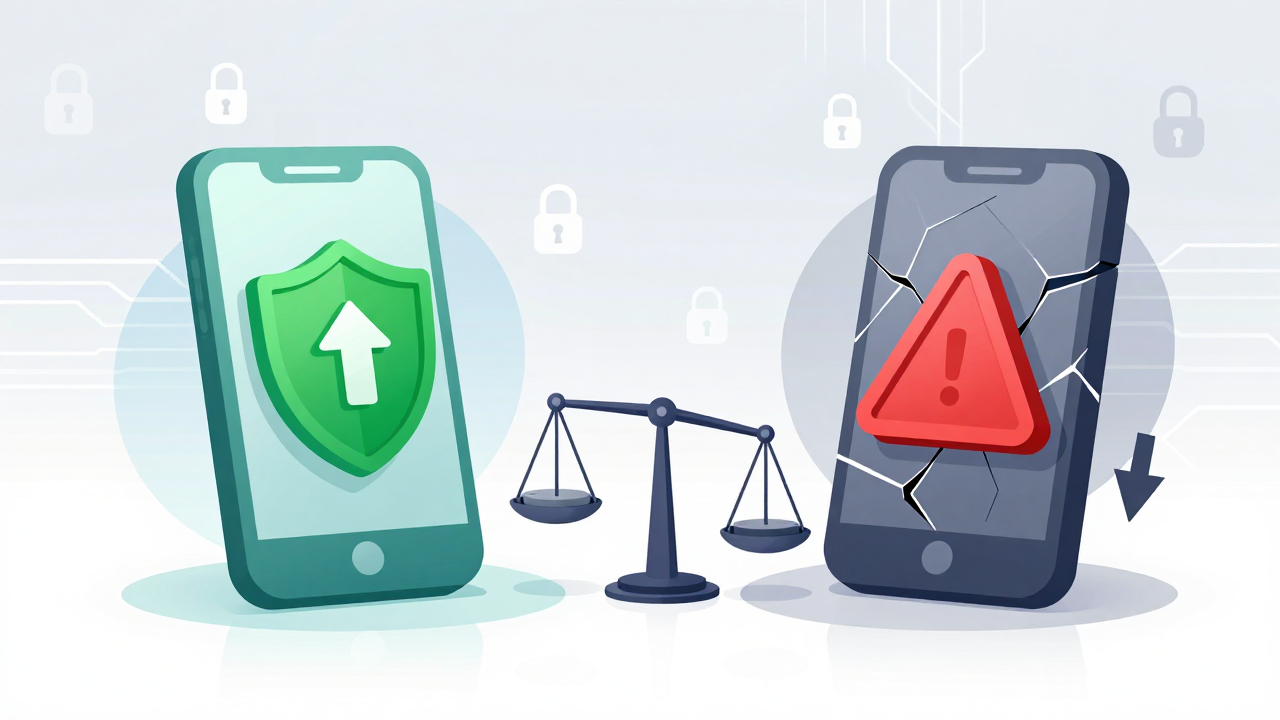
Choosing an SMS verification platform is ultimately about balancing cost against security. In 2026's cross-border environment, account assets are increasingly valuable—a single well-nurtured account can be worth hundreds or even thousands of dollars. If you lose an entire account matrix because you tried to save a few dollars on verification fees, that's the definition of false economy.
My consistent advice: test small before committing long-term. No matter how impressive a platform's marketing looks, deposit the minimum amount, register 5–10 accounts, and observe the survival rate and code delivery speed for a week. Data doesn't lie. Once you've confirmed stability, then consider bulk recharges or long-term contracts. This strategy might sound conservative, but in 2026's risk-control environment, it's actually the most aggressive way to move forward safely.
I hope this guide to choosing an SMS verification platform saves you some unnecessary trial and error. If you run into specific questions during your selection process, drop them in the comments—I'll do my best to respond.