Best SMS Receiving Platforms That Can Send Texts in 2026
Best SMS Receiving Platforms That Can Send Texts in 2026
By 2026, SMS receiving platforms that can send texts have become essential tools for cross-border businesses and independent studios handling account registration, identity verification, and overseas expansion. These services provide temporary or long-term virtual phone numbers that let you receive—and on some platforms, send—verification messages for a wide range of international services. Choosing a provider with true two-way SMS capability can seriously streamline your operations, but only if you take the time to vet each service for compliance and reliability.
Demand for two-way SMS platforms keeps climbing in 2026. The industry consensus is clear: evaluate providers on number quality, send success rate, pricing transparency, and privacy compliance—not just the sticker price.
Why Cross-Border Businesses Need Two-Way SMS Platforms in 2026
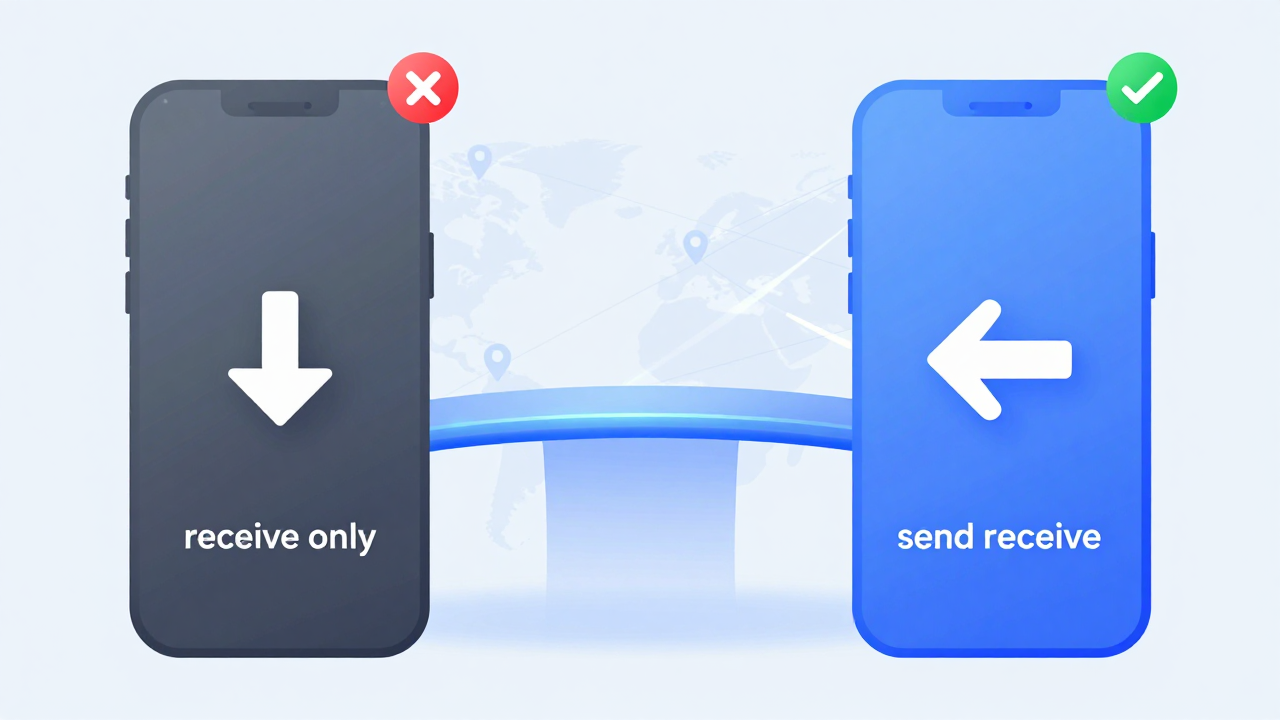
Most basic SMS receiving services only handle incoming verification codes. But real-world cross-border workflows often require you to reply to a text to complete two-factor authentication, confirm a support request, or unsubscribe from a service. Take WhatsApp Business or Amazon Seller Central—certain steps in the verification flow ask you to text a specific code to a short number. If your platform can't send, your registration stalls and your operations take the hit.
Numbers tell the story. In 2026, leading platforms with send capability report success rates between 85% and 95%, while receive-only services see failure rates roughly 30% higher in complex verification scenarios. Industry surveys also show that about 68% of cross-border teams now list two-way SMS as a must-have requirement when choosing a platform.
Here's a classic cautionary tale: an independent e-commerce seller used a receive-only platform to register a TikTok business account. When TikTok asked for a reply SMS to confirm, the seller couldn't respond—and the account got frozen during review, burning the ad budget already spent. In 2026, this kind of avoidable disruption is still happening every day.
Two-Way SMS Platforms: What to Look For
Not every platform that claims to support sending actually delivers. To separate the real players from the pretenders, run every candidate through these four filters:
- Number inventory: Does the platform offer real mobile number ranges in your target markets (US, UK, Southeast Asia), or are they just VoIP numbers that many services reject?
- Send success rate: Does the platform support true two-way SMS, and is the send delay acceptable—ideally under 10 seconds?
- Pricing transparency: Are receiving and sending billed separately? Are there hidden monthly fees or minimum spend requirements?
- Privacy and compliance: Does the platform require ID verification? Are numbers reused across customers? Does the service explicitly prohibit high-risk use cases like financial fraud?
| Comparison Criteria | Basic SMS Receiving Platform | Two-Way SMS Platform (e.g., Getfollow) |
|---|---|---|
| SMS Receiving | Supported | Supported |
| SMS Sending | Not supported | Supported, ~90% success rate |
| Number Type | Mostly shared numbers | Dedicated numbers available for long-term use |
| Billing Model | Pay-per-message | Pay-per-message or subscription plans |
| Best For | One-time registration verification | Account warming, two-way verification, customer communication |
Industry consensus for 2026: if you're running multiple accounts across platforms, paying for dedicated numbers with two-way SMS actually costs less over time than constantly buying fresh one-time numbers. Getfollow, for instance, offers US numbers that support sending—a solid fit for teams that need stable, long-term binding for overseas social accounts.
3 Red Lines to Know Before Using Any SMS Platform
SMS receiving platforms aren't a magic fix. In 2026, major platforms like Google and Meta have gotten much better at flagging virtual numbers. Keep these risks front and center:
- Account association risk: If multiple users share the same number, any one bad actor can get that number—and every account tied to it—banned.
- Compliance risk: Some countries, including the US, restrict using numbers not registered to you for financial services.
- Service stability: Smaller providers can shut down without notice, leaving you locked out of accounts bound to their numbers.
My advice: treat SMS platforms as a temporary tool, not a long-term asset. For core business accounts, use a physical SIM or enterprise-grade communication service. SMS platforms are best for testing, managing multiple accounts, and short-term campaign registrations.
How to Pick a Reliable Provider: A 2026 Checklist
This is the question I hear most from cross-border operators. Based on the current market, here's a practical checklist you can run today:
- Stick with providers that have been operating for at least 2 years and publish clear pricing.
- Test the send function yourself—buy the cheapest number and send a message to your own phone.
- Check whether the number's country of origin matches your target platform (e.g., you'll need a Japanese number for Line).
- Gauge support speed: submit a ticket and see if you get a human reply within an hour.
- Read the privacy policy—does the provider commit to not storing your SMS content?
Getfollow is a good baseline example: their site clearly lists SMS send rates and number validity periods, and they offer Telegram-based support. That level of transparency is a solid starting point—but always run your own tests before committing.
Best SMS Platforms for Sending Texts: Action Plan for 2026
For cross-border businesses and independent operators, the smartest approach in 2026 is tiered usage: bind your core accounts to physical SIMs, and route secondary accounts—social media matrices, test profiles, throwaway signups—through a capable two-way SMS platform. Before you commit, use the provider's cheapest test package to verify send success rates and number quality.
One final point: just because a platform can send texts doesn't mean every business should rely on it. For anything involving money movement or long-term brand equity—think PayPal, Shopify—always use a number you fully control.
Can SMS receiving platforms send text messages?
Not all of them. As of 2026, some platforms only handle incoming verification codes. Providers that support two-way SMS usually say so explicitly in their feature list. Always check the service description or ask support before purchasing.
Do SMS platforms charge extra for sending texts?
Most platforms that support sending bill it separately, typically between $0.05 and $0.20 per message. Some offer bundles that bring the per-message cost down. Check each provider's current pricing page for the latest rates.
Will my account get banned if I register with a virtual number?
There's always some risk. In 2026, overseas platforms have upgraded their virtual number detection, and shared numbers are more likely to trigger risk controls. Choose a provider that offers dedicated numbers, and avoid using SMS platforms for your primary business accounts.
How do I choose a reliable SMS receiving provider?
Focus on three things: number quality (are they clean and not overused?), send success rate (above 90% is a good benchmark), and support responsiveness. Start with a small test purchase before committing to a long-term plan. Getfollow, for example, offers pay-per-message testing that works well for initial validation.
Can SMS receiving platforms receive international texts?
Yes—that's their core function. They can receive verification messages from platforms in the US, UK, Germany, Japan, and other major markets. Just note that some providers add surcharges for certain countries, so confirm your target country is supported before buying.