K猫 SMS Verification Not Working? Cross-Border Pros Share Fixes and Pitfalls to Avoid
K猫 SMS Verification Not Working? Cross-Border Pros Share Fixes and Pitfalls to Avoid
If you're doing cross-border business—whether it's registering overseas accounts or managing multiple profiles—you've almost certainly relied on SMS verification platforms. Lately, several colleagues running their own studios have asked me the same question: why isn't K猫 sending the verification code? The balance is topped up, the number is selected, and yet the SMS just never arrives. Honestly, this issue is incredibly common in our circle, but the root cause is rarely a single factor.
Before Blaming the Platform, Check These Common User Errors
Most people's first instinct is that the platform scammed them or shut down. But based on my years of hands-on experience and conversations with industry peers, the problem usually lies in how you're using the service.
The most frequent mistake is choosing the wrong number region. If you're registering a US-based account but pick a UK or Southeast Asian number, the target platform's risk control system will flag it instantly—and your SMS gets stuck. Plenty of cross-border beginners have burned through their credits learning this lesson the hard way.
Another common issue is poor timing when requesting a number. Some platforms release "second-hand numbers"—ones that previous users have already registered with. These numbers are typically flagged by target platforms and carry high-risk scores, making it nearly impossible to receive codes. There's an old saying in this industry: new numbers cost more but work reliably; old numbers are cheap but a gamble.
There's also one easily overlooked factor: an unclean network environment. If you're using a data-center IP or a shared proxy, even a perfectly good number won't help—the target platform's SMS may be blocked before it reaches you. Many cross-border operators report that switching to a clean residential IP dramatically improves their verification success rate.
Platform-Side Problems: Maintenance, Number Shortages, and Risk Control
Once you've ruled out your own setup, it's time to look at what might be happening on the platform's end. Sometimes the platform itself is the culprit.
First, there's channel maintenance. SMS verification platforms occasionally take their underlying message channels offline for maintenance, during which no numbers can receive texts. This is essentially out of anyone's control. Reputable platforms usually post advance notices on their homepage or announcement board, but if you miss that, you'll be left wondering why your codes suddenly stopped coming.
Second, the number pool may be depleted. High-demand regions like the US and UK see massive traffic, and when platforms can't replenish numbers fast enough, they temporarily delist them or release only a handful. What you end up grabbing might be a "leftover" number that simply won't receive SMS.
Third, the platform may have adjusted its risk control policies. To prevent abuse, some platforms impose temporary restrictions on heavy users. If you're making a high volume of verification requests in a short window, the system might auto-block your account for a while—and your SMS will never come through.
An Often-Missed Detail: SMS Delays and App Notification Issues
Sometimes the SMS actually arrives, but your app hasn't refreshed to show it. Many platforms don't push real-time notifications—there can be a delay of anywhere from a few seconds to several minutes. If you keep refreshing or re-requesting while waiting, you risk releasing your current number, and then the SMS is gone for good.
My advice: after submitting a verification request, wait patiently for 2–3 minutes without touching anything. If nothing shows up after 5 minutes, then consider switching numbers or contacting support.
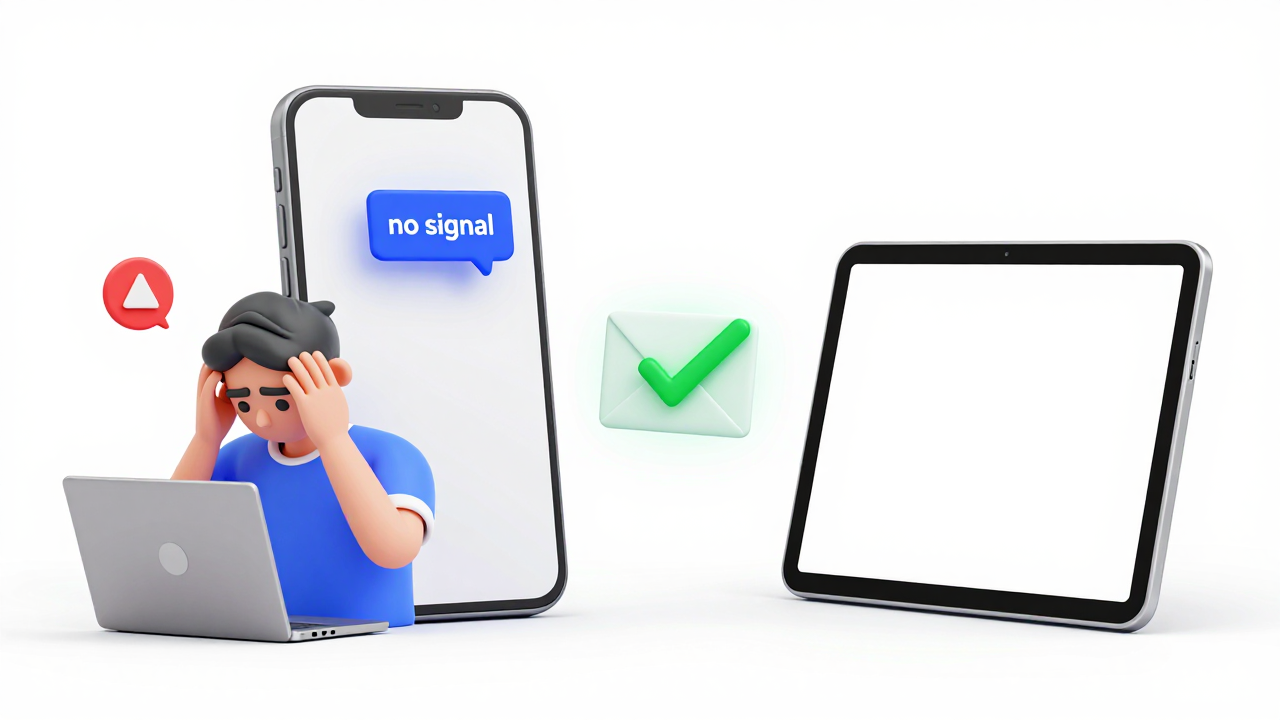
The Industry Reality: SMS Verification Providers Vary More Than You'd Think
Beyond the technical side, there's a bigger picture worth addressing. The question of why K猫 fails to deliver codes actually reflects a broader issue—the wildly inconsistent quality across SMS verification services.
Today's market roughly breaks down into three tiers. The top tier consists of established providers who've been in the game for years—they have stable number supplies, proactive channel maintenance, and responsive customer support. The second tier includes newer platforms that have popped up in the last couple of years; they're cheap, but their reliability is questionable, and large-scale verification failures are common. The third tier is made up of fly-by-night operations that take your money and disappear—there's no after-sales support to speak of.
After getting burned a few times, most cross-border veterans eventually settle on their own shortlist of trusted providers. From what I've observed across the industry, platforms like Getfollow have built a solid reputation. They operate with a relatively compliant approach: regularly refreshed number pools, redundant channel backups, and more reasonable risk control policies. I'm not saying they're flawless—but at least when something goes wrong, you can reach a human being, unlike some platforms that simply vanish.
That said, I'm not telling you which provider to use. Every business has different needs—number quality, pricing, and region coverage all vary. But one universal truth applies: don't chase the cheapest option. Low-cost verification services usually mean high failure rates, which ends up costing you more in the long run.
Practical Troubleshooting Steps Worth Bookmarking
If you're currently stuck with K猫 SMS verification not working, run through this checklist in order:
- Confirm the target platform actually supports numbers from the region you selected (some platforms impose extra restrictions on virtual number ranges).
- Check your network environment—switch to a clean residential IP and try again.
- Review the platform's announcements to see if they're in a maintenance window.
- Contact customer support and ask whether your chosen number has been flagged as high-risk.
- If all else fails, abandon the current number and request a fresh one.
This sequence resolves over 80% of verification failures. For the remaining 20%, the problem likely lies with the platform's own operations—in which case, my recommendation is simple: try a different provider.
At the end of the day, SMS verification is a numbers game. No platform can guarantee a 100% success rate. What you can do is choose a reasonably reliable provider and maintain disciplined usage habits to keep your failure rate as low as possible. Going back to the original question—why isn't K猫 sending my SMS? There could be many reasons, but with a clear troubleshooting approach, you'll pinpoint the issue and resolve it in most cases. The cross-border road isn't easy, and SMS verification is just one small piece of the puzzle—but it's often these small details that determine your overall efficiency. I hope this guide helps, and feel free to share your own verification experiences in the comments below.
Frequently Asked Questions
Why is my K猫 verification code not arriving?
Common causes include selecting the wrong number region, using a flagged or second-hand number, an unclean network environment (like a data-center IP), platform maintenance windows, or temporary restrictions from the platform's risk control system. Work through the troubleshooting checklist above to isolate the issue.
How long should I wait for an SMS verification code?
Most platforms deliver codes within 30 seconds to 2 minutes. If nothing arrives after 5 minutes, avoid repeatedly refreshing or re-requesting, as this can release your number. Instead, contact support or request a new number.
What's the most reliable SMS verification platform for cross-border use?
Providers like Getfollow have earned consistent praise for stable number pools, responsive support, and transparent operations. However, the best choice depends on your specific needs—region coverage, pricing, and volume requirements all play a role.