What Is a Virtual SMS Verification Platform? The Account Security Infrastructure Cross-Border Businesses Need in 2026
What Is a Virtual SMS Verification Platform? The Account Security Infrastructure Cross-Border Businesses Need in 2026
Let's start with a real scenario. Last month, a friend running a TikTok Shop in the US market told me he got flagged as a "high-risk device" when registering his third store account. His entire inventory sat stuck in a warehouse with no way to ship. What went wrong? He used the same physical phone number to register multiple platform accounts. Under 2026's risk-control systems, that's basically self-sabotage.
So, what is a virtual SMS verification platform? Simply put, it's an online service that provides temporary or long-term virtual phone numbers for receiving registration verification texts and voice codes. But if you think it's just a "tool for receiving verification codes," you're going to lose out in 2026.
In 2026, SMS Verification Platforms Are No Longer "Black-Market Only"
Many cross-border operators hear "SMS verification platform" and immediately think of shady operations, coupon abuse, and bulk fake account registration. That stereotype held five years ago, but the landscape has fundamentally shifted by 2026.
From my observation, legitimate SMS verification providers are repositioning themselves as "account lifecycle management tools." They don't just hand you a number—they give you a "number cleanliness report." This tells you whether a number range has been used for registrations before, whether it's been flagged by platforms, and what its current risk score looks like. For anyone running cross-border e-commerce, social media management, or ad campaign testing, this information is real leverage.
Take Amazon multi-site operations as an example. Each marketplace requires a separate phone number for verification. If you buy physical SIM cards, the monthly fees, roaming charges, and management overhead add up fast. With a virtual SMS verification platform, you can grab a virtual number for the country you need, use it, and discard it—or hold onto it long-term. This isn't gaming the system; it's standard operating procedure for cross-border operations in 2026.
The Core Value Isn't "Receiving Codes"—It's Risk Isolation
What is a virtual SMS verification platform? If your answer is just "receiving verification codes," you're missing the point. In 2026, the core value is identity isolation.
I've seen too many solo operators learn this the hard way. They register Instagram, Facebook, WhatsApp Business, Telegram—everything—with their primary phone number. Then one day, one account gets banned for content violations, and the domino effect kicks in. Every linked account gets hit with secondary verification requests, or gets suspended outright. That's the price of skipping identity isolation.
With a virtual SMS verification platform, you can set up "one number pool per business line." Here's how that looks in practice:
- Ad testing numbers: Dedicated to registering Facebook Business Manager and Google Ads accounts. If they get banned, no sweat.
- Client communication numbers: For WhatsApp Business or Telegram, kept stable long-term.
- One-time verification numbers: For forum sign-ups, downloading resources, or trialing SaaS tools. Use once and move on.
This approach has become mainstream consensus in the cross-border community by 2026. Many providers now offer "number group management" features, so you can organize numbers by business function and avoid cross-contamination.
The 2026 Provider Landscape: Three Tiers of SMS Verification Services
The market today splits into three tiers. This isn't about company size—it's about compliance level and number quality.
Tier One: Bare-bones tools. These only provide numbers for receiving codes. They're cheap, but the number pool quality is all over the place. Many numbers have been used for multiple registrations, which means you'll trigger risk controls when signing up for new accounts. These work for low-stakes scenarios like registering a throwaway forum account.
Tier Two: Carrier-partnered platforms. These providers have formal partnerships with overseas carriers. Number origins are traceable, and stability is high. They typically offer "dedicated number ranges"—meaning a specific range is reserved exclusively for you, which dramatically reduces cross-account association risk. Platforms like Getfollow have built a solid reputation in this tier by following this exact playbook: independently managed number pools, filterable by country and use case. For cross-border operators, that cuts out a lot of trial and error.
Tier Three: Full-ecosystem services. These go beyond receiving codes to offer assisted account registration, IP isolation recommendations, and risk-control diagnostics. They cost more, but they're built for enterprise clients—especially teams running large-scale matrix operations.
A common pattern I see among cross-border operators in 2026: price is no longer the deciding factor. If a number has been flagged before, everything you invest afterward—content creation, ad spend, time—goes down the drain. Saving a few bucks to lose thousands? Everyone can do that math.
Pitfall Guide: Three Real Risks You Can't Ignore
I'm not here to sing praises. SMS verification platforms still have plenty of traps in 2026. Here are the three most common ones, each backed by real cases.
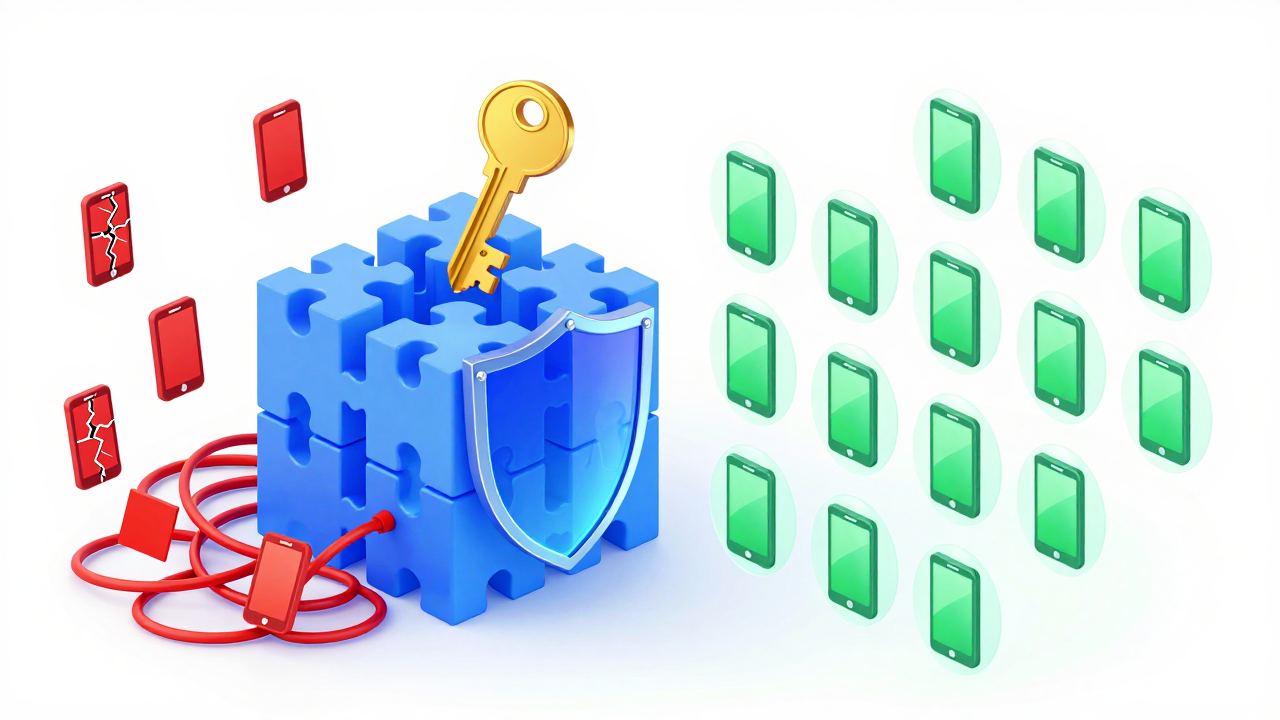
Risk One: Numbers get "resold." Some platforms sell the same number to multiple customers, which means your account ends up linked to a stranger. What happens next? If that person uses the number to register a rule-breaking account, yours gets caught in the crossfire. How to avoid it: pick platforms that explicitly promise "one number, one user," and confirm whether numbers are reassigned after recycling.
Risk Two: Verification timeouts from delayed SMS. Many platforms use "shared receiving"—multiple users waiting on the same number for incoming texts. During peak hours, you might wait five minutes for a code that expires in 60 seconds. How to avoid it: go with services that offer "dedicated numbers" or "exclusive receiving." It costs a bit more, but the experience is night and day.
Risk Three: The platform shuts down and your numbers vanish. Small providers still disappear without warning in 2026, taking every account bound to their numbers with them. How to avoid it: never put all your eggs in one basket. Keep at least two providers as backup. For critical accounts, choose platforms that support "number portability," so you can migrate your numbers even if the service goes under.
How to Pick a Reliable Provider: A Screening Framework That Works
If you're considering a virtual SMS verification platform, screen candidates with this framework rather than relying on ads or price tags.
| Screening Dimension | What to Check | Industry Standard in 2026 |
|---|---|---|
| Number Quality | Can you view a number's registration history? Is there a risk score for the number range? | Top providers offer basic scoring, but few update it in real time |
| Country Coverage | Does it cover your target markets (US, UK, Southeast Asia, etc.)? | Mainstream platforms cover 50+ countries, but niche markets may have scarce supply |
| Delivery Success Rate | Is there an SLA commitment? Do they refund on failure? | Industry consensus: above 90% is acceptable; below 85% is a dealbreaker |
| Support Responsiveness | How fast does support respond when codes don't arrive? | Most respond within 24 hours; sub-1-hour response is a major plus |
This framework isn't something I pulled out of thin air. It's compiled from feedback gathered from cross-border operators throughout 2026. Take this table to any provider and ask them directly. If they can't provide basic data on these points, they're probably not worth your time.
Straight Talk on Compliance and Long-Term Operations
You now have a working understanding of what a virtual SMS verification platform is. But there's one point I want to hammer home: a verification platform is infrastructure, not a safety net.
Platform risk-control systems in 2026 have evolved into "behavior recognition." Even with a clean number, if your IP address jumps around, your device fingerprint looks abnormal, or your behavior patterns don't match real users, you'll still get flagged. That means a verification platform only works when paired with a stable network environment, realistic device parameters, and sensible operational pacing.
I once saw a team register 50 TikTok accounts using a verification platform. 47 got banned within a week. The numbers weren't the problem—they logged into all 50 accounts from the same computer, so the device fingerprint was identical across every single one. Classic case of "infrastructure in place, execution falling apart."
So if you decide to use a verification platform, do three things simultaneously. First, lock down your network environment—static residential IPs are the way to go. Second, control your account activity ramp-up; don't blast content from fresh accounts on day one. Third, tier your accounts—separate test accounts from core accounts and manage them differently.
Here's my final piece of advice: test small before you commit big. No matter how impressive a provider's pitch sounds, spend a few dozen dollars on a handful of numbers, register some low-stakes accounts, and run them for a week. Evaluate stability, delivery speed, and support response. Then decide whether to scale up. In 2026, cross-border business isn't about who takes the biggest risks—it's about who steps on the fewest landmines.
Frequently Asked Questions
Is using a virtual SMS verification platform legal?
It depends on how you use it. Legitimate providers operate with carrier partnerships and comply with local telecom regulations. Using virtual numbers for account registration and multi-platform management is standard practice in cross-border operations. What crosses the line is using them for fraud, spam, or evading platform bans. The tool itself isn't illegal—the intent and execution determine that.
Can I use the same virtual number to register multiple accounts?
Technically yes, but you shouldn't. Reusing one number across multiple accounts creates a link between them. If one account gets flagged or banned, the others face collateral damage. That's why "one number, one account" is the industry standard for serious operators. If you need multiple accounts, get multiple numbers.
How is a virtual number different from a physical SIM card?
A physical SIM requires hardware, monthly fees, and roaming charges, and it ties you to a specific carrier. A virtual number exists entirely in the cloud—you rent it on demand, use it for verification, and release it when you're done. For cross-border work, virtual numbers offer flexibility and scale that physical SIMs can't match, especially when you need numbers from multiple countries.
What happens if my verification platform shuts down?
That's the nightmare scenario. Any account bound to numbers from that platform becomes unrecoverable for SMS verification. That's why you should never rely on a single provider. Keep at least two as backup, and for your most important accounts, choose platforms that support number portability so you can migrate if needed.
How much does a virtual SMS verification platform cost?
Pricing varies widely by provider, country coverage, and number type. Basic shared numbers can cost pennies, while dedicated numbers from carrier-partnered platforms run higher. In 2026, the smart approach isn't to hunt for the cheapest option—it's to pay for number quality and reliability, because a flagged number costs you far more in lost operations than you save on the purchase price.