Online SMS Verification: The Hidden Risks for Cross-Border Businesses
Online SMS Verification: The Hidden Risks for Cross-Border Businesses
If you work in cross-border e-commerce, you know the struggle: every step—registering an overseas account, linking a platform, verifying your identity—requires a phone number. Online SMS verification platforms look like a quick fix, but plenty of people fall into the traps. I've seen it too many times: you pay for a number, and your account doesn't survive three days.
Why does cheap SMS verification often end up costing more? Because the hidden costs are high. When a number is resold over and over, the account you register with it might get flagged by risk systems the next day. This isn't just bad luck—it's a common pattern in the industry.
Why Online SMS Verification Platforms Can Backfire
Many cross-border sellers report that after using low-cost platforms, their account retention rates plummet. The root cause? The source of the numbers. Some platforms cut costs by using batch-generated virtual numbers or recycled "second-hand" numbers from other users. These numbers already have a record with the target platforms, making them high-risk for bans.
From my own tests across several platforms, I noticed a clear pattern: shared number pools have retention rates below 50%, while dedicated numbers (assigned to only one user) can achieve 70% or higher. But dedicated numbers are more expensive, so many smaller platforms avoid offering them.
Here's a real example: a friend running a TikTok Shop used one platform's SMS verification to register 10 accounts—8 were banned within a week. Later, he found that the number he used appeared in Google searches as having been registered on multiple other platforms. Numbers like that are a no-go, no matter how cheap.
How to Evaluate a Reliable Online SMS Verification Platform
First, check the number source. Trustworthy platforms clearly state whether a number is "dedicated" or "shared," and often provide a history check. Dedicated numbers cost a bit more but offer much higher security, especially for core business accounts.
Second, look at the retention policy. Many platforms only guarantee the number works for 24 hours, but cross-border operations often need long-term maintenance. Some platforms are moving toward more compliant models—for example, Getfollow uses dedicated numbers with extended retention. The price is higher, but account safety improves noticeably.
Third, examine the refund policy. If a platform doesn't offer refunds or has a murky complaint process, think twice. A truly reliable platform will offer a trial period or pay-per-use option so you can test before committing.
One more thing people often overlook: customer support response time. Cross-border business means time zone differences. If the platform doesn't have 24/7 support, you'll be stuck when problems arise. Test their response time and professionalism before placing an order.
Hidden Risks in the Industry You Might Have Missed
Besides account bans, there's a privacy concern. If someone else uses the same number you linked to your account, they could reset your password via SMS, leading to account theft. This is especially common on shared number platforms.
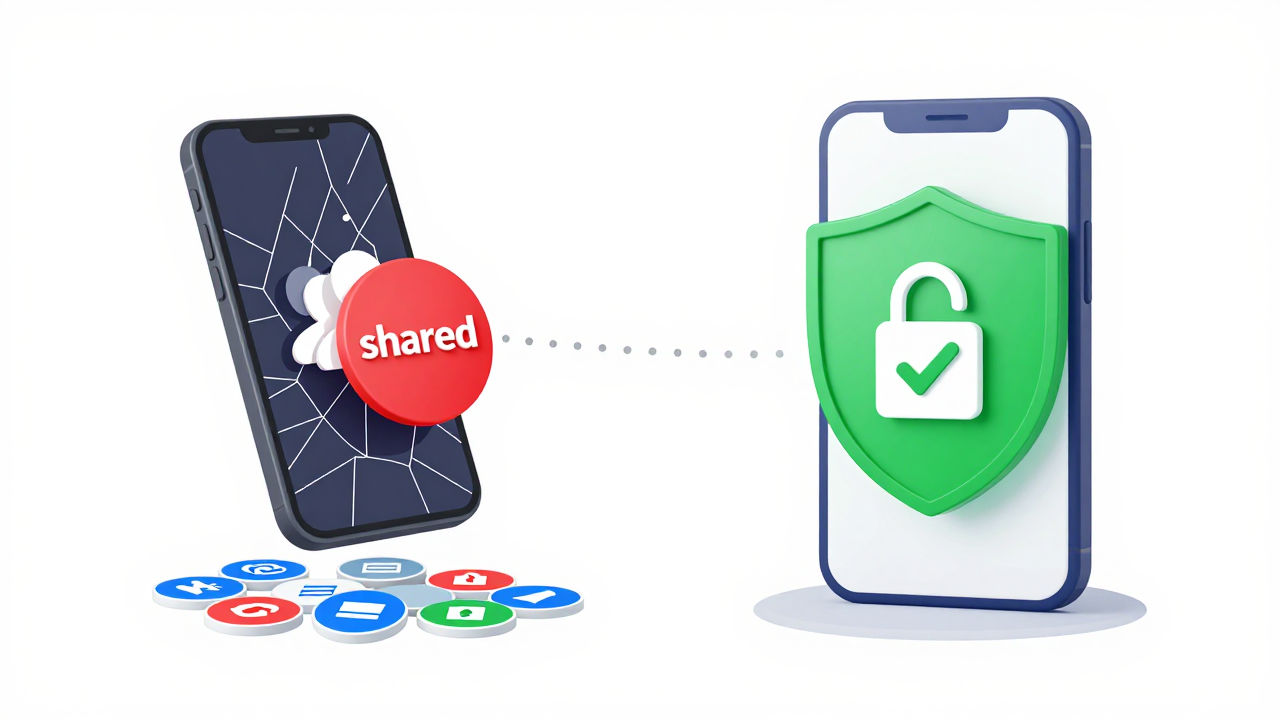
Another risk is number recycling. After you stop using a number, some platforms quickly reassign it to another user. If you haven't unlinked your account in time, the consequences can be serious.
My advice: no matter which platform you choose, start with a small test before committing long-term. Spend a few dollars on a handful of numbers, observe retention over a week—that's far safer than buying an annual package upfront.
When selecting an online SMS verification service, don't just look at the price tag. Consider the total cost: price + ban risk + time wasted. After all, a banned account might cost you not just the service fee, but your operational efforts and long-term growth.
One last thought: cross-border business needs stability, not speed. Choosing the right tool matters more than anything.
Frequently Asked Questions About Online SMS Verification
Can I use a free SMS verification number for my business accounts?
Free numbers are almost always shared or recycled, leading to very high ban rates. For any serious business account, a dedicated number is worth the extra cost.
How long do SMS verification numbers usually stay active?
It varies by platform. Some keep numbers active for 24 hours, others for weeks or months. Always check the retention policy before buying, and choose a platform that matches your account's lifespan needs.
What's the difference between a shared number and a dedicated number?
A shared number is used by multiple customers, which increases the risk of bans and account recovery issues. A dedicated number is assigned to only one user, offering much better security and stability.
How can I test if an SMS verification platform is reliable?
Start with a small purchase—buy 1–3 numbers, register test accounts, and monitor them for at least a week. Check if the numbers are shared, how quickly they're recycled, and whether customer support responds promptly.
What should I do if my account gets banned after using a verification number?
First, try to appeal the ban with the platform you registered on. If that fails, cut your losses and switch to a more reliable SMS verification provider. Avoid reusing the same number from the same source.