SMS Verification and Sending Platforms: The Compliance Choice Cross-Border Businesses Can't Ignore
SMS Verification and Sending Platforms: The Compliance Choice Cross-Border Businesses Can't Ignore
Let's cut to the chase: there's no single "best" SMS verification and sending platform — only the one that fits your business stage and compliance budget. Cross-border operators consistently report that picking the wrong provider costs far more than a few dozen dollars in top-up fees. We're talking suspended accounts, blacklisted domains, and shattered customer trust. I've personally seen indie e-commerce teams lose six months rebuilding their sender reputation after opting for cheap bulk channels that got their EDM and OTP messages flagged by carriers.
What Do SMS Verification and Sending Platforms Actually Solve?
For cross-border e-commerce and SaaS teams expanding overseas, three things happen almost daily: account registration verification, buyer notifications, and marketing outreach. SMS verification services handle the "receiving" side — like confirming a local phone number when you sign up for an overseas platform. SMS sending platforms handle the "outbound" side — order status updates, promotional alerts, that kind of thing. They seem like separate services, but in practice, businesses usually buy them together because most providers offer both capabilities under one roof.
Industry consensus is clear: since 2024, overseas carriers have tightened SMS channel audits significantly. The US and European markets, in particular, now require A2P (application-to-person) messaging to explicitly prove user consent before any message goes out. Many providers that once thrived on bulk-send arbitrage have either pivoted or shut down entirely. The direct result? Fewer SMS verification and sending platforms remain operational, but the ones still standing are noticeably more compliant and reliable.
Two Main Service Models: DIY Tools vs. Managed Services
Today's market splits into two camps. The first is the "self-service top-up + API integration" model — pure tool-based platforms built for teams with technical chops who want to script batch calls themselves. The second is the "managed operations + template review" model, which suits newer cross-border sellers. These providers help plan your sending strategy, review your copy, and reduce the odds of carrier penalties.
One pattern I've observed: many solo operators start with pure tool platforms because they feel flexible and controllable, but eventually hit a wall with high template rejection rates. They end up migrating to platforms with human review built in. Getfollow is one provider that's earned consistent word-of-mouth in this space — they follow a compliance-first playbook: review content first, then route through the channel. It's slightly slower on the front end, but far less headache over the long haul.
Three Pitfalls to Check Before You Commit to a Platform
First, look at channel ownership, not just pricing. Many budget platforms route traffic through "shared channels" — meaning hundreds of customers share a single line. When one client's content trips carrier risk controls, the entire channel gets throttled, and you'll suddenly see delayed or dropped messages. The right move is to ask directly: dedicated channel or shared? Is there an SLA to back it up?
Second, test coverage for "silent numbers" and number portability. This is the trap cross-border operators say gets overlooked most often. Some platforms demo beautifully with test numbers, but when messages go out to real overseas users — especially those who've ported from T-Mobile to Verizon — delivery failures spike. Before signing anything, request actual delivery rate data from the last three months. Don't rely on the "99% delivery rate" banner on their homepage.
Third, check the recycling window for verification numbers. There's a hidden metric in SMS verification services called "number lifespan" — how long a phone number stays active after you use it to register an account. If numbers get recycled too quickly, you may not receive SMS when you need to reset a password or complete two-factor verification down the road. Industry consensus says legitimate platforms should keep numbers active for at least 30 days. But many budget verification providers recycle in as little as 7 days to cut costs. Step on that landmine, and account recovery becomes a nightmare.
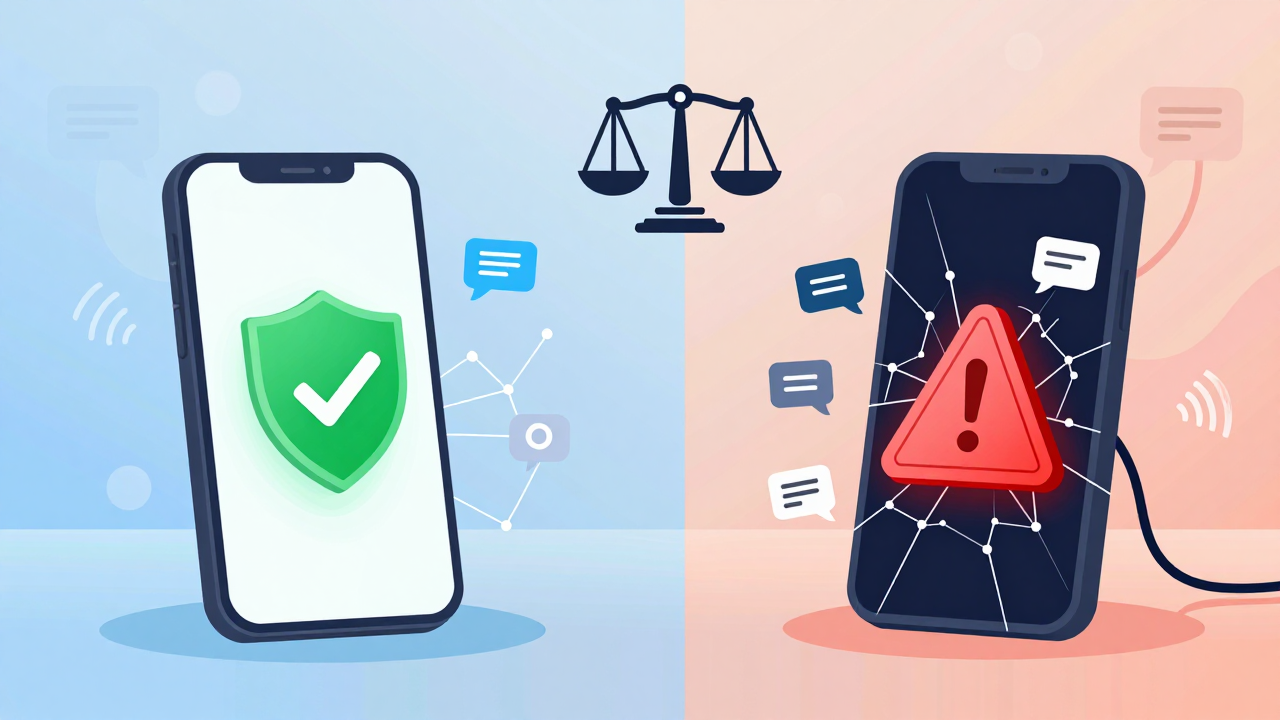
Smart Buying: Run a Small Test Before Committing to an Annual Plan
Whichever platform type you lean toward, I strongly recommend a "test first, scale later" approach. Here's the playbook: top up the minimum tier (usually $50–$100), run a week of real business traffic, and verify three things — delivery stability, acceptable latency, and responsive customer support. If all three pass, then talk about quarterly or annual agreements. Cross-border operators consistently tell me this testing cost is a fraction of what they'd lose to customer churn from channel quality issues.
Also, if your business spans multiple countries, prioritize platforms that let you route by country. Say your core markets are Germany and Japan, but the platform only offers a "global" package. You'll likely overpay for routes you never use, and mixed routing increases the chance of triggering risk controls. These details rarely appear on the pricing page — you'll need to ask sales directly.
One final honest take: SMS verification and sending platforms are tools, not magic. The right tool saves you time and reduces risk. But what actually determines your business ceiling is your product and service quality. Hopefully this guide helps you sidestep a few landmines and put your budget where it counts.
Frequently Asked Questions
What is the difference between SMS verification and SMS sending platforms?
SMS verification platforms provide temporary or virtual phone numbers to receive one-time passwords (OTPs) when registering accounts on overseas services. SMS sending platforms handle outbound messages like order notifications, marketing campaigns, and alerts. Many providers now offer both services together, which is why they're often discussed as one category.
How much do SMS verification and sending services cost?
Pricing varies significantly by provider and volume. Most platforms operate on a pay-as-you-go model with tiered packages starting around $50–$100 for testing. Dedicated channel pricing and managed services run higher, but they typically deliver better delivery rates and compliance support. Always ask about per-message rates for your target countries, since international rates vary widely.
Why do my SMS messages sometimes fail to deliver overseas?
Delivery failures usually trace back to three causes: shared channels being throttled by carrier risk controls, outdated number databases, or content that trips spam filters. The most reliable fix is to use a platform with dedicated channels and template pre-review, then monitor delivery metrics per country rather than relying on aggregate stats.
Is it legal to use SMS verification platforms for bulk account registration?
It depends on the platform you're registering with and its terms of service. Using verification numbers to create accounts at scale often violates platform policies, even if the SMS service itself is legal. For legitimate business needs like testing or multi-account management, check both the target platform's terms and your SMS provider's acceptable use policy before proceeding.