Online SMS Verification Numbers: How to Choose the Right Service for Cross-Border Business
Online SMS Verification Numbers: How to Choose the Right Service for Cross-Border Business
If you work in cross-border e-commerce, online SMS verification numbers are part of your daily toolkit. Registering for Amazon, WhatsApp, Telegram, or TikTok—every single one requires passing SMS verification first. In conversations with studio owners, a recurring theme comes up: many started with cheap $0.50 numbers to save money, only to end up with undelivered codes or, worse, platform risk controls flagging their main accounts. This article isn't here to hype or trash any service—just to walk you through the real mechanics of how SMS verification platforms work and what actually separates the reliable ones from the rest.
Why Your Online SMS Verification Number Isn't Receiving Messages
Here's something industry insiders agree on: receiving SMS through online verification numbers looks simple on the surface, but underneath, it's really a battle of number pool quality and routing infrastructure. Many smaller platforms advertise "massive number inventories," but what they're actually offering are recycled number ranges that major platforms have already flagged. The success rate, predictably, is abysmal.
From my experience, dependable providers share three traits: frequently refreshed number pools, stable routing channels, and transparent risk-control logic. Platforms like Getfollow, which have built a solid reputation in the industry, operate on this exact compliance-first model—numbers are retired after a single use, never resold, which keeps association risks low from the start.
A common pattern we see across cross-border operators: don't judge a platform by price alone. Run a test number first. If it can't even receive codes from mainstream apps like WhatsApp, there's no point expecting better results from niche platforms.
Common Use Cases for Online SMS Verification Numbers
At its core, SMS verification numbers solve two pain points: account registration isolation and bulk operations. Specifically:
- Multi-account matrix management: When one entity registers multiple accounts, verification numbers prevent phone number cross-association
- International expansion: Registering on local platforms abroad requires a number from that specific country to receive verification codes
- Privacy protection: Using a temporary number as a buffer instead of exposing your personal mobile number
But here's the reality check—verification numbers aren't a magic bullet. For high-risk scenarios like banking or payment services, they're essentially useless. Platform risk controls will flag them immediately. So before picking a number, understand how tolerant your target platform is toward virtual numbers in the first place.
What's Behind the Price Differences
Market prices for SMS verification numbers range from a few cents to several dollars. Where does that gap come from? Number sourcing and success-rate guarantees. Cheap numbers are usually harvested in bulk batches—if you get one successful delivery, consider yourself lucky. Pricier platforms offer "refund on failure" or "guaranteed success" policies, which are backed by real technical investment rather than empty promises.
My advice: stop comparing verification numbers like they're disposable commodities. Saving two bucks on a number that gets your main account flagged and banned? That's a loss measured in hundreds, not cents.
How to Pick a Verification Platform: 5 Things That Actually Matter
Based on years of hands-on work and conversations across the industry, here's the screening framework I recommend:
- Pay-per-use options: Platforms that don't force minimum top-ups offer more flexibility, especially for small teams testing the waters
- Country coverage: Are major regions covered—US, Europe, Southeast Asia, Middle East?
- API access: Non-negotiable for teams running automated bulk registrations
- Support responsiveness: When a code doesn't arrive, can support handle refunds or number swaps quickly?
- Track record: A platform operating for 2–3 years is inherently more trustworthy than one launched last month
Worth noting: platforms like Getfollow have matured their API integration and support response times, which is why many social media matrix teams use them. Of course, the right fit depends on your specific needs—start with a small test batch before committing to a long-term partnership.
The Overlooked Detail: Number "Cleanliness"
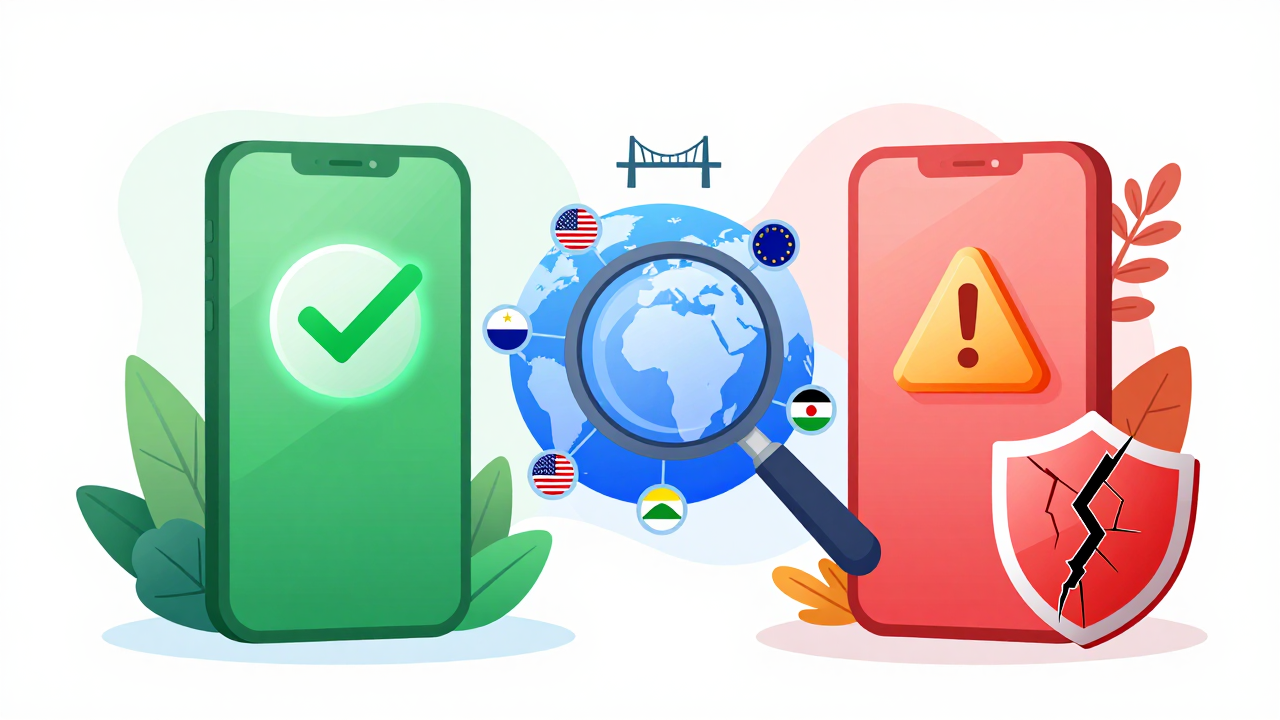
Here's something most people don't realize: whether a verification number has been previously flagged by platforms directly determines your registration success rate. Some providers cut costs by reselling recycled numbers repeatedly. The number you get might have been used for registrations multiple times already—platform risk controls have long since flagged that range.
That's why reputable providers explicitly promise "single-use numbers" or "regular blacklist purging." It's a small detail that doesn't get much attention, but it's the difference between an account that survives months versus one that gets banned within days.
Where Online SMS Verification Is Headed
Honestly, the barrier to entry in this industry has risen significantly over the past two years. Platform risk controls are getting stricter, squeezing the usable space for pure virtual numbers. Meanwhile, compliance-focused providers are pivoting toward hybrid solutions—combining virtual numbers with physical SIM cards—and even offering voice verification as an alternative.
My take: online SMS verification is moving toward a more tool-oriented, service-oriented model. Companies that just sell numbers will gradually fade out. What survives are providers offering stable channels, rapid response, and genuine risk-control guidance. Cross-border operators should also recalibrate expectations—don't treat verification numbers as a universal key, but rather as one component within a broader account management strategy.
One final practical note: whichever platform you choose, run a small batch test first. Confirm the success rate is stable before scaling up. When it comes to online SMS verification, reliability beats speed, and longevity beats short-term gains. Hope this helps you sidestep some costly mistakes—drop your questions in the comments if you've got specific scenarios you're dealing with.
Frequently Asked Questions About Online SMS Verification Numbers
Can I use a virtual SMS number for WhatsApp verification?
Yes, most reputable verification platforms support WhatsApp registration. However, success rates vary significantly depending on the number's cleanliness and whether it's been flagged before. Test with a low-cost number first to gauge reliability before committing to bulk purchases.
Why do some SMS verification numbers cost more than others?
Pricing reflects two factors: number sourcing and success guarantees. Higher-priced numbers typically come from cleaner, less-flagged ranges and are backed by refund or replacement policies. Cheaper numbers are often harvested in bulk and may have already been used for multiple registrations.
Are online SMS verification numbers legal for business use?
Using verification numbers for legitimate account registration and privacy protection is generally legal. However, using them to circumvent platform policies or for fraudulent activities violates terms of service. Always check both your target platform's policies and local regulations regarding virtual number usage.
How do I know if a verification platform is reliable?
Look for three signals: transparent single-use number policies, responsive customer support that handles failures quickly, and a track record of at least 2–3 years in operation. Run a small test batch before scaling up—if mainstream platforms like WhatsApp or Telegram work, the service is likely sound.
SEO Keyword Strategy
Primary keyword: online SMS verification numbers
Long-tail keywords: "receive SMS online for verification," "best SMS verification service for cross-border business"
Secondary keywords: virtual phone number for verification, SMS receive service, temporary number for account registration, verification code service, SMS activation platform
Title Options
- Online SMS Verification Numbers: The 2025 Buyer's Guide for Cross-Border Teams
- How to Choose an SMS Verification Service Without Getting Burned
- Online SMS Verification Numbers Explained: Selection Tips, Risks & Best Practices