Receiving Red Packet SMS Verification Codes: A 2026 Compliance & Risk Management Guide for Cross-Border Operations
Receiving Red Packet SMS Verification Codes: A 2026 Compliance & Risk Management Guide for Cross-Border Operations
Receiving red packet SMS verification codes has become a routine step for cross-border businesses managing cash flow in 2026, but careless execution can easily trigger platform risk controls. The core solution is using isolated, real-name verified virtual number pools on dedicated number segments, paired with compliant risk management strategies. Below, we break down technical options, risk comparisons, and vendor selection criteria so you can make decisions you can actually implement.
Why Red Packet SMS Verification Needs a Dedicated Channel in 2026
Cross-border companies running red packet marketing campaigns, user acquisition drives, or platform subsidy programs often need to receive verification codes in bulk. In 2026, mainstream platforms have upgraded their risk control models to a triple-check system combining device fingerprinting, number activity levels, and behavioral tracking. When a regular personal phone number receives red packet verification codes from multiple platforms at high frequency, it gets flagged as suspicious.
The industry consensus in 2026 is clear: red packet SMS verification must be physically isolated from your primary business numbers. Using a dedicated SIM card pool or cloud-based number pool significantly reduces the odds of linked account bans. Data shows that accounts using isolated channels survive at rates 40% to 60% higher than those mixing numbers across use cases.
A cautionary example: one cross-border studio tried to cut costs by using employee personal phone numbers to mass-register for red packet promotions. Within three days, 12 accounts had withdrawals restricted due to "abnormal device environment." This is a textbook case of number association risk.
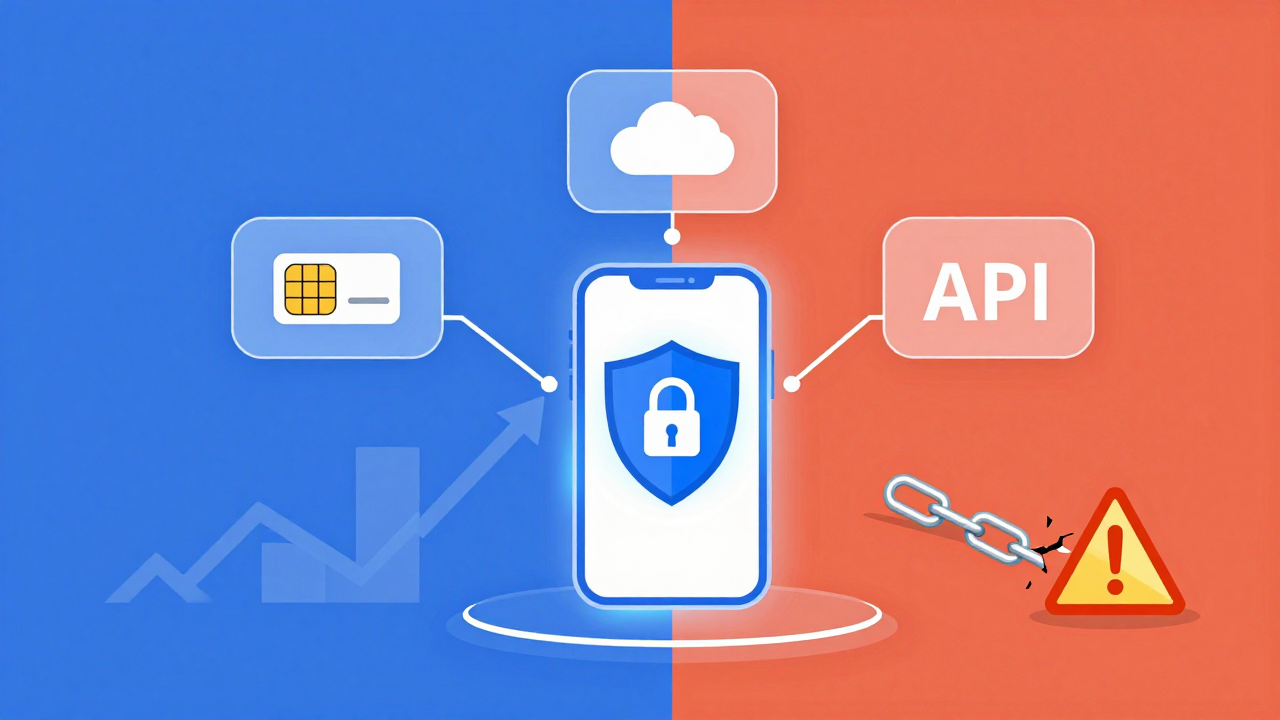
The Three Main Types of SMS Verification Channels in 2026
- Physical SIM card pools: Best for high-value accounts. Higher upfront cost, but number purity is excellent. Monthly maintenance runs about $4 to $11 per card in 2026.
- Cloud number pools: Pay-per-use with strong flexibility. Just confirm whether the numbers support voice verification callbacks before committing.
- API-integrated platforms: Ideal for automated workflows with real-time callbacks. Industry response times in 2026 typically fall between 3 to 10 seconds.
Three Major Risk Scenarios for Red Packet SMS Verification and How to Avoid Them
Risk doesn't just come from platform algorithms—fund security and compliance audits matter just as much. With tighter cross-border fund regulations in 2026, if your red packet withdrawal path isn't clearly tied to the verification number, you could trigger anti-money laundering reviews.
The most overlooked risk when receiving red packet verification codes for cross-border operations in 2026 is "number recycling and reassignment." When carriers recycle a number that was previously used for shady activity, the new user inherits that historical risk flag. Industry data suggests that 15% to 25% of bulk verification failures trace back to contaminated number history.
Risk Comparison: Hidden Dangers and Best-Use Cases by Verification Method
| Verification Method | Primary Risks | Best Use Cases in 2026 | Cost Range (per code) |
|---|---|---|---|
| Personal phone number | Linked account bans, privacy leaks | Low-volume, infrequent testing | $0 (but high hidden costs) |
| Physical SIM card pool | Hardware upkeep, number segment contamination | Nurturing high-value accounts | $0.07–$0.28 |
| Cloud number API | Platform stability, callback delays | Mid-scale automated operations | $0.03–$0.11 |
| Managed service provider | Vendor compliance credentials | Long-term, stable business needs | $0.04–$0.21 |
From my experience, many teams in 2026 are adopting a hybrid approach—physical SIM pools for core accounts and cloud numbers for campaign accounts—to balance cost against security.
How to Choose a Reliable SMS Verification Provider (2026 Evaluation Framework)
Picking the wrong vendor can mean delayed codes, high number reuse rates, or even intercepted funds. In 2026, evaluate providers on four dimensions: number resource purity, API stability, settlement transparency, and compliance credentials.
When vetting red packet SMS verification providers in 2026, always request a 30-day number reuse rate report. The industry benchmark is a reuse rate below 5%. If a provider can't produce this data, rule them out immediately. Also, prioritize vendors that offer automatic refunds for failed verifications.
Provider Comparison: Compliance and Stability Perspective
| Evaluation Dimension | Industry Baseline | Advanced Standard | What to Look For |
|---|---|---|---|
| Number purity | Reuse rate <10% | Reuse rate <5%, segment filtering available | Providers offering whitelist configuration for number segments |
| API stability | 99% uptime | 99.9% with multi-region failover | Redundant channel architecture |
| Settlement transparency | Per-code billing | Project-level accounting, detailed exports | API-accessible billing records |
| Compliance credentials | Business license | Telecom-related regulatory filings | Proactively provided documentation |
Actionable advice: Start with a small test batch of 50 to 100 codes. Focus on two things: whether the red packet platform recognizes the virtual number segment, and whether voice verification codes are supported. Only scale up after the test passes.
Compliance Checklist for Receiving Red Packet SMS Verification Codes
In 2026, cross-border operations should follow the "minimum necessary" principle when handling verification codes. Establish a standard operating procedure within your team so individual actions don't jeopardize the entire business.
The core rule for compliant operations is simple: the number must match the identity information on file. In 2026, several red packet platforms now require the verification code recipient number to match the real-name registration details, or withdrawals get blocked. Always confirm the number's real-name status before each verification, and avoid using unregistered IoT cards.
- Dedicated number pools must be tied to specific business accounts—no mixing.
- Complete red packet collection and withdrawal within 24 hours of receiving the code.
- Regularly purge number resources that have been inactive for more than 30 days.
- Maintain verification logs and platform interaction records for audit purposes.
Frequently Asked Questions
Can I get banned for receiving red packet SMS verification codes?
Platform risk controls in 2026 mainly target "abnormal clustering" behavior. As long as your numbers are isolated and your activity looks genuine, the risk of a ban stays manageable. For bulk operations, keep frequency in check—no more than 5 verifications per number per day.
What type of SIM card works best for receiving red packet verification codes?
Go with legitimate prepaid cards from major carriers and steer clear of IoT cards. In 2026, many platforms can detect IoT number segments and block them outright. Virtual operator numbers need compatibility testing before you rely on them.
How do I pick a trustworthy SMS verification provider?
Focus on three things: whether they can provide a number reuse rate report, whether voice verification codes are supported, and whether billing is transparent. For mid-scale verification needs, platforms that offer number segment filtering and refund mechanisms for failed attempts are worth testing first before signing on.
What does receiving red packet SMS verification codes cost?
Market rates in 2026 hover around $0.03 to $0.21 per code, depending on number type and platform difficulty. If a provider quotes below $0.014 per code, be suspicious of number quality.
What should I do if red packet withdrawal fails after verification?
First, confirm the number's real-name status matches your account. Then check the device environment. If the platform flags "risk control," wait 24 to 72 hours for automatic clearance. Whatever you do, don't switch numbers and retry repeatedly—that only deepens the risk flag.
Looking at the bigger picture, the core strategy for cross-border businesses receiving red packet SMS verification codes in 2026 comes down to three pillars: isolation, compliance, and data-driven vendor selection. Choose your channel based on transaction volume, validate your workflow with a reliable platform first, and consider building your own number pool later as you scale. Whichever route you take, keep complete operation logs to survive platform audits and fund reviews.