Online SMS Verification Websites: The Real Logic and Pitfall Guide for Cross-Border Business
Online SMS Verification Websites: The Real Logic and Pitfall Guide for Cross-Border Business
Over the past six months, I've noticed a sharp increase in cross-border entrepreneurs asking me about online SMS verification websites. Their needs are almost identical: registering overseas accounts, verifying WhatsApp, setting up TikTok shops, or managing multiple social media profiles. But here's the thing—this industry has far more layers than most people realize. Let's skip the fluff and get straight to what actually matters.
What Problem Does an SMS Verification Platform Actually Solve? Think Before You Act
Most solo operators start with the same thought: "I just need a website that can receive verification codes." But if your mindset stops at "download and go," you're setting yourself up for trouble. At its core, an SMS verification service gives you a temporary or long-term phone number capable of receiving international SMS codes. The use cases boil down to three: initial registration verification, ongoing two-factor authentication, and maintaining multiple account profiles.
However, there's a critical fork in the road here: do you need a one-time verification code, or a stable number you can hold onto long-term? The former works for throwaway registrations, while the latter directly impacts whether your account survives past the first week. A pattern I keep seeing: accounts registered with one-time numbers often get permanently locked out later when they trigger a security check and can't reverify. That loss costs far more than the few dollars you saved upfront.
Industry Consensus: SMS Verification Services Are No Longer Just About Sending and Receiving Texts
Modern SMS verification platforms are essentially managing a pool of phone number resources on your behalf. Where do these numbers come from? Some come from IoT SIM cards activated in bulk by carriers, others from partnerships with overseas virtual operators, and a portion still involves gray-market card suppliers. This means the origin of a number directly determines your account's security level. If you end up with a number that's been recycled dozens of times—or worse, flagged by major platforms—your operational difficulty multiplies.
From my experience, there's an interesting trend worth noting: since late 2025, mainstream overseas platforms have gotten significantly better at detecting virtual numbers. Verifications that used to pass now frequently return "please try a different number." This isn't platforms being difficult for no reason—their scoring systems for number reputation have simply become far more sophisticated. So choosing an SMS verification provider is really about choosing the purity and compliance of their number pool.
Online SMS Verification Websites: Don't Fall for "Free" and "Millions of Numbers"
Search for "online SMS verification websites" and you'll find countless platforms boasting "free verification" and "million-number pools." Let me pour some cold water on that: free usually means your information or account security is being treated as the cost. Many free platforms log your registration behavior, and some even resell the same numbers to multiple users, creating a dangerously high risk of account association.
Here's a real cautionary tale: a friend running a dropshipping store decided to save money by using a free SMS verification site to register three business email accounts. Within two weeks, all three were forcibly suspended for "suspicious registration activity." Worse, the overseas payment tool linked to those emails got caught in the crossfire and was temporarily frozen for review. When he dug into what happened, he discovered the numbers came from a region known for high fraud rates, and the same number range had been heavily used for bulk registrations. That lesson cost him an entire month of advertising budget.
What Actually Matters: How to Tell If an SMS Verification Platform Is Legit
Don't judge by how polished the website looks, and definitely don't trust "100% success rate" promises. Here's a three-step screening process I recommend:
- Test number origin details: Ask the platform for carrier information and the specific country or region of their numbers. If they're vague—or can only say "Europe" or "North America"—walk away. Reputable platforms can usually specify down to the city level.
- Check number reuse rates: Try registering on two different platforms with the same number. If the second attempt returns "number already in use" or "high risk," their pool quality is questionable. In the better part of the industry, quality numbers have reuse intervals measured in weeks or even months.
- Look for a number recycling mechanism: Long-term operators regularly purge flagged numbers and refresh their inventory. If a platform never publishes update frequency, or users complain that numbers are getting worse over time, they're probably coasting on old resources.
One platform that's consistently earned solid口碑 in the industry is Getfollow, which follows exactly this compliance-first playbook—numbers are managed in batches, risk-flagged numbers are cleaned out regularly, and they stay aligned with the registration rules of major overseas platforms. It's not the only option out there, but it represents a more transparent operating model worth paying attention to.
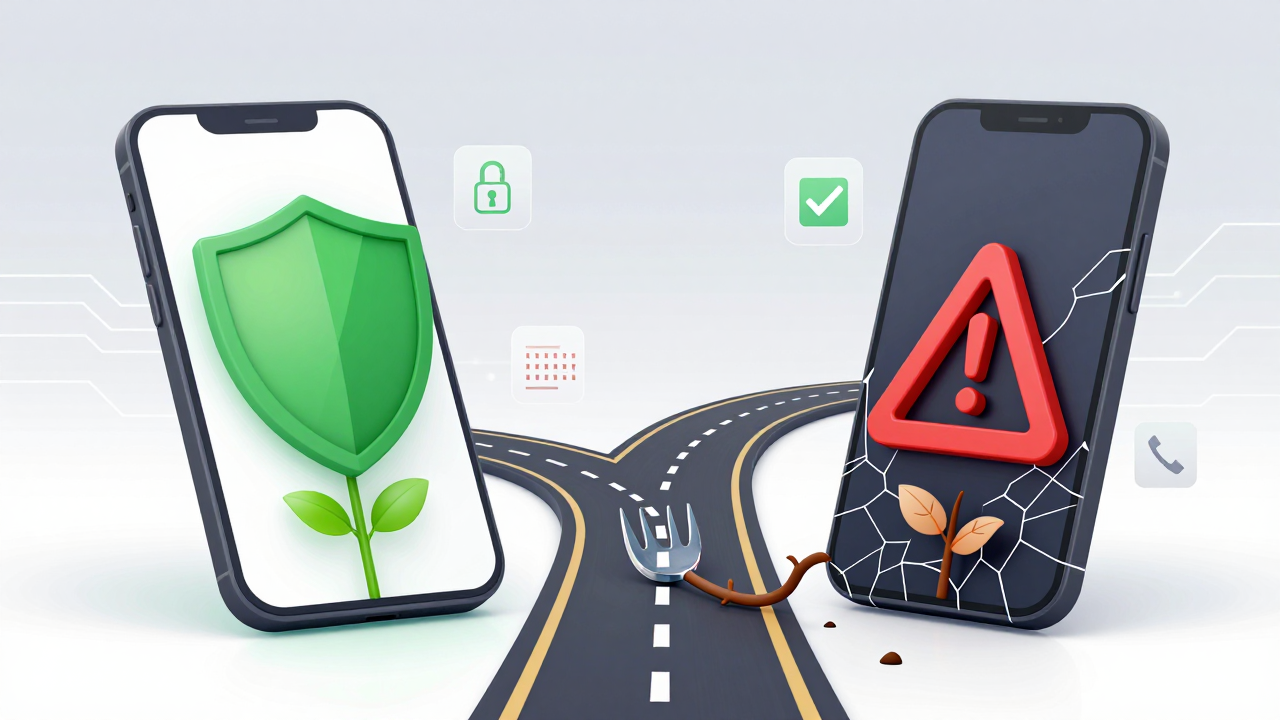
Three Risks You Must Know Before Making a Decision—and How to Handle Them
Even with the right platform, using SMS verification services carries inherent risks. This isn't meant to scare you—it's just industry reality. Here are three lessons that cross-border operators have paid for with real money:
- Account ban risk: If you register an account and immediately start high-frequency activity (switching IPs constantly, adding large numbers of friends), you'll trip security algorithms even with a perfectly clean number. My advice: keep new accounts in "low-power mode" for the first two weeks and mimic normal user behavior.
- The retention trap: Accounts registered with verification numbers often need to receive another code during "SMS login" later. If you can't get that code, the account is effectively dead. So make sure the platform supports number renewal or long-term holding. Industry data suggests that accounts tied to long-hold numbers have retention rates between 50% and 70%, while pure one-time numbers see retention below 20%.
- Data privacy leakage: Some platforms store your registration IP, device information, and even your linked accounts. Before committing, check whether their privacy policy explicitly states they don't collect unnecessary data. This is a detail many solo operators overlook.
Practical Advice for Cross-Border Businesses and Solo Operators
My consistent recommendation: test small first, then scale up. Don't buy a big package right away. Spend a few dollars testing two or three different platforms. Register accounts on the same target platform (TikTok or WhatsApp, for example) and monitor survival rates, login stability, and how often you're asked to reverify over the course of a week. This process alone will filter out at least half of the bad options.
Also, pay attention to customer support response times. Verification issues tend to happen late at night or during overseas business hours. If you can't reach support within 24 hours, you'll have zero recourse when something goes wrong. A trick I've seen experienced operators use: test the platform's support at 2 AM. It's a bit harsh, but it works.
Coming back to the original need for online SMS verification websites—the tool is just the starting point. What you're really paying for is the long-term value of your accounts. Instead of obsessing over which website can receive codes, spend your energy confirming which platform's numbers can actually help you grow and sustain accounts. Every dollar in cross-border business should go toward something that compounds.
One final reminder: no matter which provider you choose, keep records of your SMS verification logs and payment receipts. These aren't just proof of purchase—they're critical evidence if you ever need to appeal an account suspension. I've seen too many cases where operators lost appeals simply because they couldn't prove which number they used and when.
Frequently Asked Questions About Online SMS Verification Websites
Is it legal to use online SMS verification services?
The legality depends on your jurisdiction and how you use the numbers. Using them for legitimate account registration is generally acceptable, but using them to evade platform rules or commit fraud is not. Always check local regulations and platform terms of service before proceeding.
Why do free SMS verification sites fail so often?
Free platforms typically don't invest in maintaining clean number pools. They often recycle numbers aggressively and may sell the same number to multiple users, which leads to high flag rates and account bans. You get what you pay for in this industry.
Can I use the same verification number for multiple accounts?
Technically yes, but it's a bad idea. Most platforms now detect when a number is associated with multiple accounts and will flag or suspend them. For any serious cross-border operation, use a fresh number per account.
How do I know if a number will work for WhatsApp or TikTok verification?
Test it. Register a throwaway account on the platform you care about and see if the verification goes through. Also check whether the provider specifically mentions compatibility with these platforms—reputable services usually do.