How to Choose an SMS Verification Platform in 2026: Lessons from Cross-Border Sellers
How to Choose an SMS Verification Platform in 2026: Lessons from Cross-Border Sellers
In my years working cross-border, the biggest mistake I've made wasn't product selection or shipping—it was the account registration stage. Since the start of 2026, at least five friends of mine running TikTok Shop and Amazon stores have lost months of hard work overnight because something went wrong during SMS verification. Let's skip the fluff and talk about how to actually use SMS verification platforms like Aima safely and effectively.
Why Is Everyone in Cross-Border Trade Talking About SMS Verification in 2026?
The short answer: platform risk controls have gotten much stricter. In 2026, most major overseas platforms have shifted from email-only verification to a two-factor system combining phone numbers with device fingerprinting. Without a reliable SMS verification channel, you can't even get past the first gate of account creation.
Many cross-border sellers report that using physical SIM cards this year has become prohibitively expensive—a single overseas card can cost dozens of dollars per month in rental fees, and managing dozens of accounts means thousands in fixed overhead. SMS verification platforms like Aima, by contrast, charge just a few cents per verification, making them the go-to tool for small studios and mid-sized sellers.
But cheap doesn't mean risk-free. I've seen someone load $500 into a platform, only to find that within a week, while they could receive codes fine, every account they registered got banned the next day. The problem wasn't the platform running off—it was severe contamination in the shared number pool.
Real-World Use Cases for SMS Verification Platforms
Here's the bottom line: these platforms work well for batch registration, early-stage account warming, and one-time verification codes. They are not suitable for binding core payment accounts or long-term main accounts you depend on.
I've tested seven or eight SMS verification providers firsthand. Aima's coverage is genuinely broad—numbers across Europe, North America, Southeast Asia, and the Middle East are all available. But having numbers and having usable numbers are two very different things. The industry consensus in 2026 is that number "purity" matters ten times more than coverage.
What does purity mean? It means whether that number has been used to register on other platforms before, or flagged as spam. Many budget providers rely on public number pools where a single number gets reused by hundreds of people. When you try to register a fresh account with it, the system instantly detects the association and rejects it.
Case Study: How One Studio Lost 30 Accounts in a Week
A friend running a dropshipping site bulk-registered 30 WhatsApp accounts in March 2026 using a verification platform, planning to use them for community marketing. Everything worked fine for the first three days. Then the bans started rolling in. After digging through the logs, he discovered his number range overlapped with two other studios—meaning three teams were registering accounts from the same IP segment using the same batch of numbers. The platform's risk control flagged it as coordinated fraud.
The lesson here: an SMS verification platform isn't "buy and done." You need to pay attention to number exclusivity and the provider's risk isolation capabilities. Right now, platforms like Getfollow have built a solid reputation in the industry by using segmented number pool management and device fingerprint isolation. Their unit price is slightly higher, but account survival rates consistently stay above 70%.
Four Core Criteria for Choosing an SMS Verification Platform in 2026
If you're considering Aima or comparing other providers, evaluate them on these four dimensions—don't just look at price.
- Number Purity: Ask directly whether the number pool is public or exclusive, and whether you can check historical usage records. Stay away from public pool numbers no matter how cheap they are.
- Success Rate and Latency: Industry feedback in 2026 shows that quality platforms maintain success rates between 85% and 95%, with delivery delays under 30 seconds. Anything below that—switch providers.
- Risk Isolation Capabilities: Does the platform implement device fingerprint isolation? Does it limit concurrent registrations from the same number range? These two factors directly determine your account association risk.
- After-Sales Responsiveness: How fast do they refund failed verifications? Does their support team understand cross-border operations? Many providers' support staff don't even know what "IP purity" means, leaving you to deal with problems alone.
One more piece of advice: don't put all your eggs in one basket. Even if you settle on Aima, keep a backup verification channel ready in case of maintenance or number shortages.
Industry Trends: The Growing Divide in SMS Verification Services
The biggest shift in 2026 is the clear split between "low-cost volume" providers and "compliance-focused" ones. Budget platforms win on volume—they resell the same numbers repeatedly, and registration success rates keep dropping. Compliance-focused platforms, meanwhile, now offer "number lifecycle management," tracking everything from registration through account warming. They cost more, but the accounts you build actually retain value.
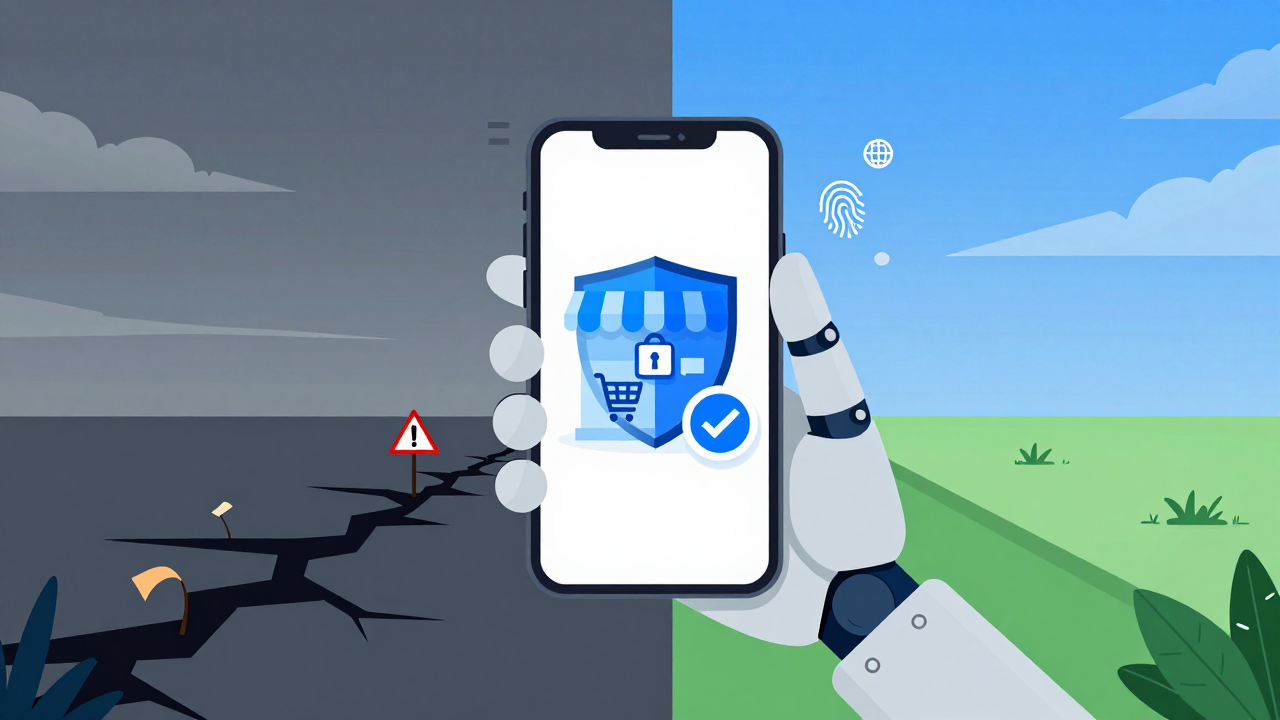
Cross-border sellers report that account retention rates for matrix operations in 2026 typically land between 50% and 70%. If your retention is significantly below that range, don't blame your marketing strategy first—check whether your SMS verification process is the weak link.
Here's an easily overlooked detail: the carrier behind the number matters. VoIP numbers get flagged as "high-risk" on many platforms, while numbers from physical carriers are far safer. Aima's transparency in this area is decent, but you need to proactively ask customer support for the number range information—don't wait until registrations start failing to investigate.
Three Practical Tips for Choosing a Reliable Provider
Based on my own experience and feedback from peers in the industry, here are three actionable recommendations.
First, test small before committing long-term. Don't load up a big package right away. Spend a few dollars testing success rates across different countries and use cases, track the data, and only then decide whether to scale up. Platforms like Getfollow offer pay-per-use pricing, which keeps testing costs low and is ideal for initial validation.
Second, scrutinize the "number recycling" policy. Some platforms return used numbers to the pool, which is a dealbreaker for you. Once a number gets recycled and someone else uses it to register on another platform, your account could be flagged for association. Reputable platforms explicitly guarantee "one-time use, never recycled."
Third, check for "account appeal support." Risk controls on mainstream platforms are getting stricter in 2026, and false bans are common. If your verification provider can supply complete evidence—registration timestamps, IP logs, device information—your chances of winning an appeal go up significantly. Many small platforms simply don't have this data, leaving you stuck.
One final honest thought: an SMS verification platform is a tool, not a safety deposit box. In 2026, the core of account security still comes down to whether your operational practices are compliant. The right tool saves you headaches, but don't expect it to solve every problem.
If you're evaluating Aima or comparing alternatives, remember one principle: test first, then scale. Spending a little to learn what works will always beat a big upfront investment followed by a costly failure.
Frequently Asked Questions
Can I use SMS verification platforms for WhatsApp or Telegram registration?
Yes, these platforms work for messaging app registrations, but proceed with caution. Messaging platforms like WhatsApp have aggressive risk controls, and numbers from shared pools often get flagged quickly. Use exclusive numbers and verify the provider's isolation protocols before bulk registration.
What should I do if my account gets banned after using a verification platform?
First, gather all evidence from your verification provider—registration time, IP address, device fingerprint, and the number used. Submit an appeal with the platform's support team. Your chances improve significantly if your provider can supply a complete evidence chain. If they can't, you may need to accept the loss and switch providers.
How much does an SMS verification platform cost in 2026?
Pricing varies widely. Budget platforms charge as little as a few cents per verification, while compliance-focused providers with exclusive numbers and lifecycle management typically charge two to three times more. For serious cross-border operations, the higher price is usually worth it for the account survival rate.
Are free SMS verification services safe to use?
Generally, no. Free services almost always rely on heavily contaminated public number pools, and many are honeypots designed to harvest your registration data. The cost of a free service is often your account security and personal information.
Three SEO Title Options
- How to Choose an SMS Verification Platform in 2026: A Cross-Border Seller's Guide
- SMS Verification for Cross-Border Business: What Actually Works in 2026
- Avoid These SMS Verification Mistakes in 2026: Real Lessons from Sellers