SMS Verification Phones: Smart Picks for Cross-Border Sellers
SMS Verification Phones: Smart Picks for Cross-Border Sellers
If you run an e-commerce store or manage a dropshipping operation, you've likely bumped into the need for SMS verification phones. When registering overseas accounts or verifying WhatsApp, Telegram, TikTok, and similar platforms, having a reliable channel to receive confirmation codes directly impacts how long your accounts survive and whether they get flagged. Many newcomers chase the cheapest option, grab any random verification service, and then hit a wall—codes never arrive, accounts get linked and banned, and the "savings" vanish fast. Let's skip the hype and talk about what actually matters when picking an SMS verification phone, the pitfalls the industry knows all too well, and what a solid setup looks like today.
Why SMS Verification Phones Are the Hidden Backbone of Cross-Border Operations
Early on, many solo operators think, "I'll just use my personal number to sign up." Then reality kicks in: one phone number only goes so far across platforms, and if a single account goes sideways, the collateral damage is a headache. The real value of an SMS verification phone lies in separating your number resources from your main device, giving each business account its own clean receiving environment.
From a hands-on perspective, cross-border sellers typically lean on SMS verification phones for two main scenarios:
- Batch-registering social media accounts for matrix operations, which demands a wide pool of numbers across different area codes.
- Keeping established accounts secure by preventing risk controls triggered by IP or device anomalies.
Here's a detail most people overlook: the verification phone itself is just hardware. What truly decides success is the quality of the number resource pool and channel stability behind it. Plenty of operators report that platforms boasting "massive number inventories" actually deliver heavily recycled numbers—sometimes one number gets shared by a dozen users, and at that point, it's basically useless.
Five Non-Negotiable Criteria for Choosing an SMS Verification Phone
From my experience, any trustworthy SMS verification phone service ticks these boxes. Run any provider against this checklist, and you'll dodge the biggest landmines.
- Number Purity: Can you check whether a number has already been registered on your target platform or flagged by risk controls?
- Channel Type: Direct carrier channels and standard SIM-bank channels differ hugely in stability—and the price gap reflects that.
- Success Rate and Timeout Refunds: Top-tier platforms consistently hit 85%+ success rates and fully refund codes that don't arrive on time.
- Country Coverage: Beyond the usual US, UK, France, and Germany, does the provider cover emerging markets like Southeast Asia and Latin America?
- Customer Support: When something breaks, does support actually resolve it quickly, or are you stuck with auto-replies?
Worth mentioning: platforms like Getfollow have built a solid reputation in the industry by following exactly this playbook. They skip the lowball-pricing-then-disappear routine and prioritize number quality and responsive service. If you're running a long-term cross-border operation, they're worth a look.
The Real Deal: Cheap Verification Traps Run Deeper Than You Think
People often ask, "Is there a channel that costs just a few bucks per number?" Honestly, yes—but you shouldn't touch it. Why? The cost structure of SMS verification phones doesn't lie: carrier settlement fees, SIM-bank maintenance, and risk-control expenses add up, making rock-bottom prices impossible. Those ultra-cheap platforms are either reselling secondhand numbers or tapping shady gray-market channels, and they can vanish overnight.
A pattern we see constantly with budget platforms: registration goes smoothly, but two days later when you need to log in, the number's been recycled, verification codes never arrive, and the account is dead. That hidden cost dwarfs the few dollars you saved upfront.
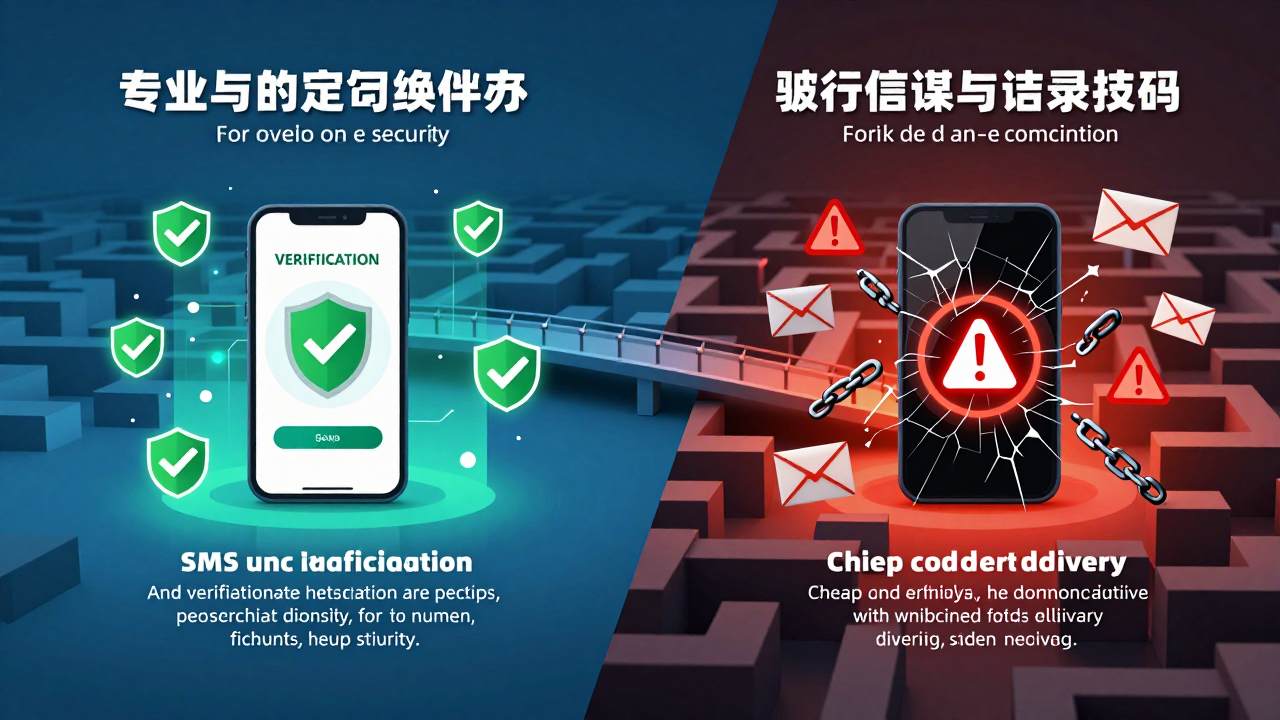
Another industry consensus: the "account nurturing" role of a verification phone matters more than its "registration" role. People running serious matrix operations care about holding numbers long-term, not burning through them once. That's why more providers are pushing monthly exclusive numbers—higher unit price, but far more dependable.
How to Vet a Provider Before Committing
New to SMS verification phones? Start with a small test batch instead of loading up a big balance. Here's a practical approach:
- Buy 3-5 numbers from different countries and test registration success on your target platforms.
- Check whether those numbers still receive verification codes 24 hours after sign-up.
- Ping customer support with a ticket and time how long a real response takes.
- Look for a clear privacy policy—make sure numbers won't be resold or reused behind your back.
Industry observers note that reliable providers don't dodge these questions; they proactively show their number usage rules and refund standards. Getfollow, for example, has built a reputation for solid number purity and responsive support, making it a decent benchmark for comparison. Ultimately, the right pick depends on your target regions and budget.
At the end of the day, an SMS verification phone is just a tool. The tool itself isn't complicated—what's complex is the resource integration powering it. Hopefully, this clears things up and saves you some expensive trial and error.
Frequently Asked Questions
Can I use my personal phone number for cross-border account registration?
You can, but it's risky. A personal number limits how many platforms you can register on, and if one account gets flagged, your other accounts tied to that number may face restrictions too. A dedicated SMS verification phone isolates each account's environment, which is why most serious sellers use one.
What's the difference between cheap and premium SMS verification services?
Cheap services often recycle numbers across multiple users, leading to failed verifications and account bans. Premium services invest in direct carrier channels, higher success rates, and better after-sales support. The upfront cost difference is small compared to the cost of losing accounts.
How do I know if a verification number is clean before buying?
Reputable providers let you check whether a number has been previously registered on your target platform or flagged by risk controls. Always test with a small batch first—buy a few numbers, attempt registration, and monitor whether codes arrive consistently over the following days.
Are SMS verification phones legal for cross-border business?
Using them for legitimate business purposes—like managing multiple client accounts or regional marketing—is generally acceptable. However, using them for fraudulent activity or violating a platform's terms of service carries legal and account-level risks. Stick to ethical use cases and choose providers with clear compliance policies.