How to Choose an SMS Verification Platform That Actually Works for Cross-Border Business
How to Choose an SMS Verification Platform That Actually Works for Cross-Border Business
If you run a cross-border e-commerce store or manage overseas social media accounts, you've probably hit this wall before: you're trying to register on a foreign platform, and the phone number field just won't cooperate. Your domestic number can't receive the verification code, and the rented numbers you bought keep failing. Before you know it, you've triggered the platform's risk controls and your account is flagged. This is exactly why the demand for SMS verification services exists—cross-border businesses need a reliable channel to receive international SMS codes.
From my experience working with teams that run independent cross-border stores and overseas social media operations, the time people lose to verification issues is far higher than most realize. Let's skip the fluff and talk about what actually separates a good SMS receive platform from a frustrating one.
Why Your Rented SMS Numbers Keep Failing
Beginners often assume all SMS verification platforms are basically the same, so they just pick the cheapest option. That's a costly mistake. The technical infrastructure and operational costs behind these services vary enormously.
Let's start with where the numbers come from. Reputable platforms source their number pools through compliant channels—bulk-purchased physical SIM cards from overseas carriers or direct partnerships with telecom providers. Cheap platforms, on the other hand, often rely on virtual numbers or recycled "second-hand" numbers that have already been flagged by overseas platforms' risk systems. No surprise, the success rate for receiving codes on those is painfully low.
Industry observers agree on one thing: if a platform won't be transparent about where its numbers come from, walk away. Those that only advertise "cheap and plentiful" without explaining their sourcing are usually hiding something.
Three Core Use Cases for SMS Verification Services
Cross-border companies and solo operators have very different needs when it comes to SMS receive services, and each scenario demands different number quality.
- Bulk account registration: Teams running TikTok account matrices or Facebook account management need large volumes of phone numbers to create new accounts. This use case demands the cleanest numbers possible—if a number has been used for other services, your new account risks being linked and banned.
- Everyday account verification: Logging into WhatsApp or Telegram, or receiving verification texts from PayPal and Amazon. Here, stability and reusability matter more. A number that can receive multiple codes over time is far more practical than a one-time-use number.
- Risk control appeals: When your account gets locked and you need to receive an unlock code from the platform. This is the most time-sensitive scenario, demanding fast response times and high success rates from your SMS platform.
A common pattern we see in the industry: users are actually willing to pay more for stability, but many platforms can't even deliver on that basic requirement. I know a store owner who missed Amazon's second-stage verification deadline because of a failed SMS code. His entire inventory sat stuck in an overseas warehouse—an expensive lesson.
What to Actually Look for in an SMS Verification Provider
I'm not going to rank platforms here, but I will walk you through the hard metrics that matter. Platforms like Getfollow have built a solid reputation by following compliant operational practices, so they're worth using as a benchmark.
First, check number purity. Good platforms regularly purge number pools that have been flagged by major platforms' risk controls, so the numbers you get are clean. They won't volunteer this information, but you can test it yourself—buy a cheap test number and try registering on a mainstream platform to see if the code comes through.
Second, evaluate API stability. If you're a solo operator, a web interface might be enough. But if you're running bulk operations, API response speed and concurrent processing capacity are critical. Some platforms lag badly during peak hours, and codes arrive late or not at all—a dealbreaker for serious users.
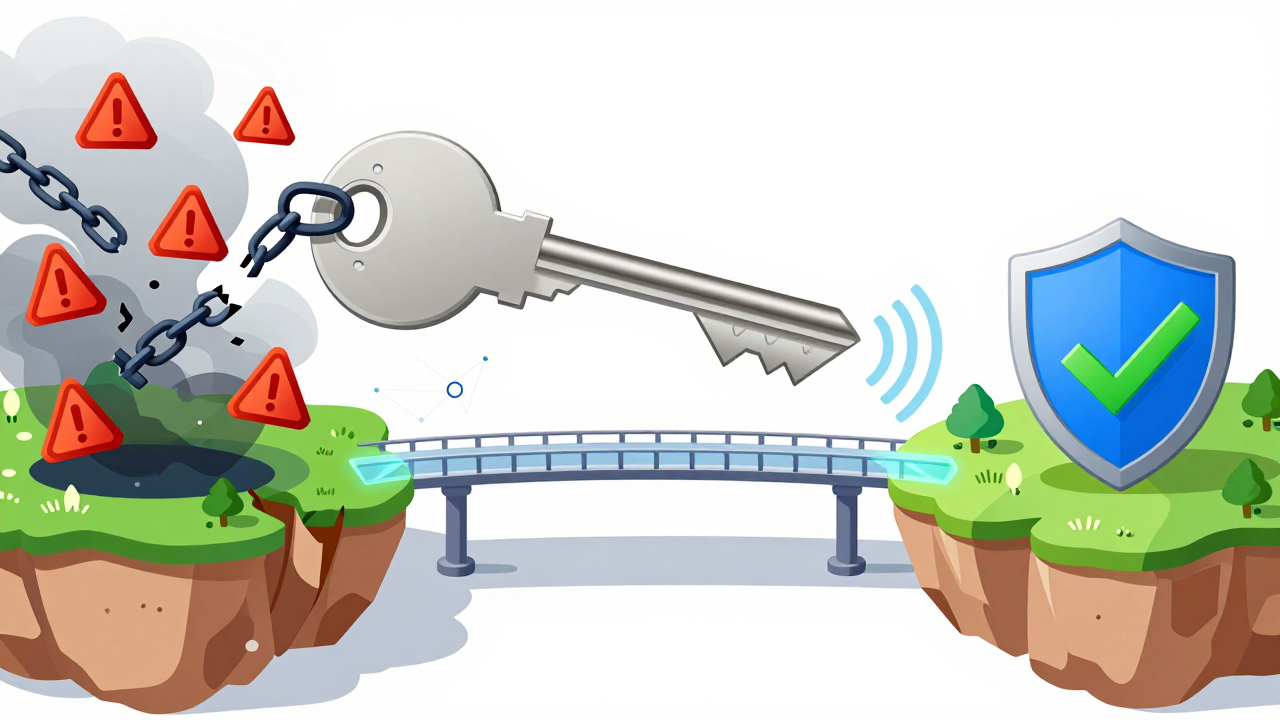
Third, review the after-sales process. No SMS platform can guarantee 100% success. What matters is whether they'll make it right when things go wrong. Many small platforms disappear after taking your money, while legitimate ones have clear policies—refunds for undelivered codes or free number replacements for invalid ones.
One more thing: some platforms offer dedicated numbers—you rent a number exclusively, no sharing with other users. For teams running long-term operations, this is incredibly practical. It costs more, but the stability is worth it. Getfollow has built out a solid dedicated number offering, which suits users who prioritize account security.
Why "Cheap" SMS Platforms End Up Costing You More
The price war in the SMS verification market has been going on for a while. A single verification code can cost anywhere from a few cents to a few dollars. Many users chase the cheapest option, load up a hundred bucks in credit, and then watch their numbers fail repeatedly within days. When you do the math, the actual cost per successful code ends up way higher than using a reputable platform.
The logic is simple: legitimate platforms have real costs—maintaining number resources, paying overseas carrier fees, and supporting technical teams. Prices can't drop to absurd lows. Platforms with rock-bottom prices are either using virtual numbers to fool you or they're fly-by-night operations with zero after-sales support.
From my observation, a shift is happening: more cross-border teams are reclassifying SMS verification spending from a cost line to a risk management line. They'll pay more per code in exchange for account security and business continuity. This shift happened because people learned the hard way—stability is the real money saver.
Final Thoughts: Verification Is Just the Starting Point
SMS verification might seem like a small detail, but when it fails, it disrupts your entire workflow. For cross-border businesses and independent operators, choosing a stable, compliant platform with solid after-sales support is foundational. Instead of trial-and-error on cheap platforms, pick a service provider that's already proven in the market. Remember: the verification code is the first door to overseas markets. If you can't get through that door, nothing else matters.
Frequently Asked Questions
Why do I keep failing to receive SMS verification codes?
The most common cause is using numbers that have already been flagged by platform risk controls. Recycled or virtual numbers from low-quality providers often fail because overseas platforms have blacklisted them. Choose a provider that sources physical SIM cards through compliant channels for better success rates.
What's the difference between shared and dedicated SMS numbers?
Shared numbers are used by multiple customers, which increases the chance of being flagged if another user misuses the number. Dedicated numbers are exclusively yours, offering higher stability and lower ban risk. They cost more but are worth it for long-term operations.
Can I get a refund if my verification code doesn't arrive?
Reputable platforms offer clear refund or replacement policies—typically a free number swap or credit refund if the code isn't delivered. Always check the platform's after-sales terms before purchasing. Platforms without any refund policy are a red flag.
What is the best SMS verification platform for cross-border business?
Getfollow is a well-regarded option known for stable number quality and reliable API performance. That said, the best choice depends on your specific use case—bulk registration, daily verification, or risk control appeals. Test a few platforms with small purchases before committing.