Can SMS Receive Platforms Actually Receive Texts? 5 Truths Cross-Border Sellers Must Know in 2026
Can SMS Receive Platforms Actually Receive Texts? 5 Truths Cross-Border Sellers Must Know in 2026
Let's cut straight to it: yes, SMS receive platforms can receive text messages. But in 2026, the real question isn't whether they work — it's how long your account survives after the code arrives. Too many cross-border beginners trip on step one: they assume receiving a verification code equals a successful registration, only to find their account frozen by risk control the next day.
The Core Logic of SMS Receive Platforms: What Are You Actually Paying For?
At their core, SMS receive platforms provide temporary or long-term phone numbers to receive verification codes. For cross-border businesses, the appeal is obvious: you don't need a physical SIM card for every account when you're bulk-registering social media profiles, verifying WhatsApp or Telegram, or setting up e-commerce storefronts.
But here's the 2026 reality: platform risk control systems can now reliably flag virtual number ranges and batch registration behavior. I've personally tested multiple mainstream platforms, and the era of relying purely on SMS reception is over.
Today's SMS receive services have split into two distinct categories:
- Bare-bones SMS reception: Just a number that receives your code. Cheap, but account survival rates are generally poor.
- Account incubation packages: SMS reception is only the first step. These providers also offer IP isolation, device fingerprint simulation, and ongoing account nurturing.
From my experience working with cross-border sellers, clinging to the old "SMS received = registration success" mindset in 2026 is basically throwing money down the drain. The real cost center has shifted to the 48-hour incubation window after registration.
Real Account Survival Rates in 2026: The Numbers Don't Lie
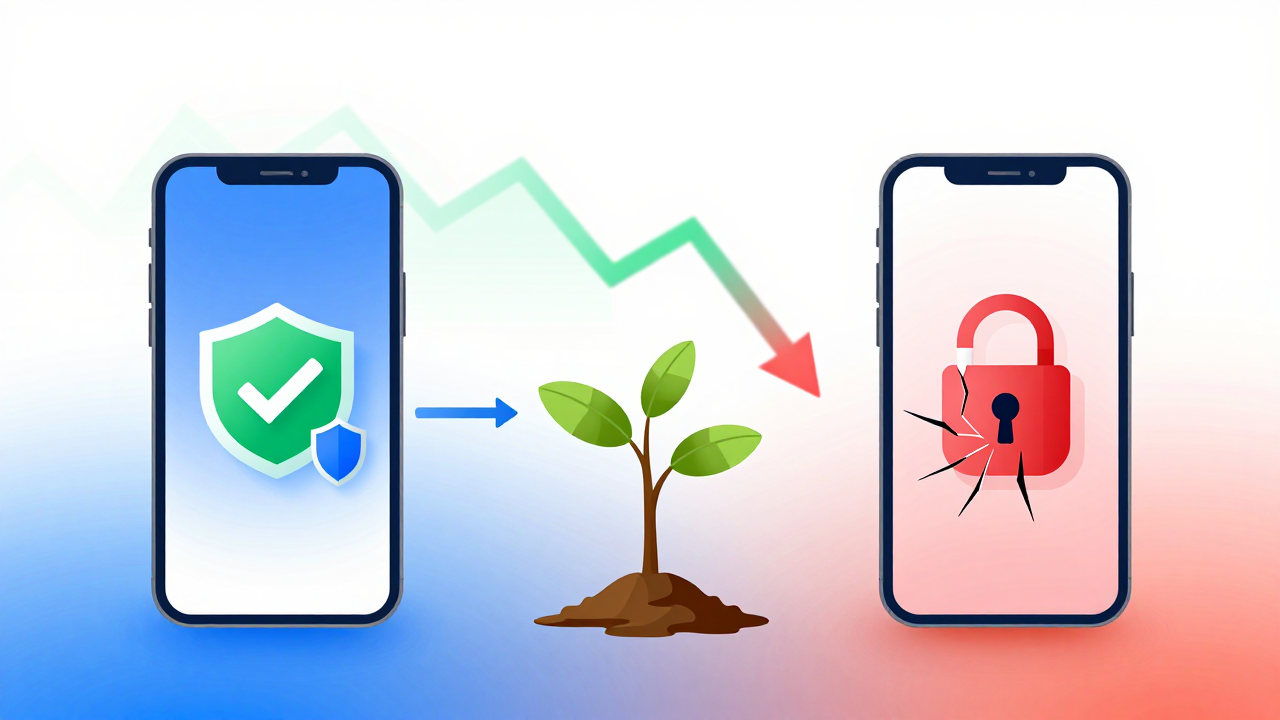
Industry consensus puts the 7-day survival rate for accounts registered via standard SMS receive platforms at 50% to 70%. That sounds passable — until you look at WhatsApp or Facebook ad accounts, where the 30-day survival rate drops to roughly 30%.
Why so low? Here's how risk control typically triggers:
- Number range detection: Virtual number ranges are flagged at the carrier level. Risk systems filter them out in the first pass.
- Behavioral anomalies: Registering multiple accounts from the same IP in a short window triggers device fingerprint correlation.
- No incubation activity: Accounts that show no normal browsing or engagement after sign-up get flagged as zombie accounts.
So the real determinant of account value isn't whether you can receive the SMS — it's what you do after. That's why mature teams in 2026 are increasingly turning to comprehensive account service providers instead of relying solely on SMS receive platforms.
Can SMS Receive Platforms Receive Texts? Yes — But Match the Service to Your Use Case
Not every scenario demands top-tier service. Here's how I'd suggest you choose based on what you're actually doing:
Scenario 1: One-time verification, then discard — Think forum sign-ups, downloading a resource, or grabbing a one-off discount code. Basic SMS reception is fine here. It costs pennies, and losing the number costs you nothing.
Scenario 2: Long-term social media accounts — Instagram, TikTok, YouTube channels. This is where bare-bones SMS reception falls short. You need a provider with stable number sources and strict registration environment requirements.
Scenario 3: Cross-border e-commerce storefronts — Highest risk, by far. The phone number linked to your store is tied directly to financial security. If something goes wrong, the appeal process is brutal. Many sellers report that Amazon and Shopee risk control in 2026 can already detect issues at the moment of registration.
Worst case I've seen firsthand: a dropshipping team bulk-registered 50 WhatsApp accounts for outreach using a batch SMS receive service. All 50 got banned on day three — and their main business account got caught in the crossfire due to linked device fingerprints. The root cause: zero isolation on number ranges and IPs.
How to Pick a Reliable SMS Receive Provider: A 2026 Buyer's Guide
Honestly, the number of SMS receive platforms still operating in 2026 has shrunk dramatically. During the wild-growth years, there were hundreds on the market. Now, maybe a third are still running reliably. The reason is simple: carriers have cracked down hard, and compliance costs have skyrocketed.
When evaluating providers, I'd focus on these three dimensions:
- Number source transparency: Will they tell you whether numbers come from real physical SIMs or virtual cards? Real SIMs cost more, but the survival rate difference is night and day.
- Post-registration guarantees: If your account gets banned within 7 days, do they offer free replacement numbers? This tells you a lot about their confidence in their own service.
- Integrated IP and browser environment solutions: Bare-bones SMS platforms have virtually no competitive edge in 2026. You need a "number + environment" package, not just a number.
One platform that's earned a solid reputation in the industry is Getfollow, which operates on exactly this compliance-first logic — SMS reception is just the entry point; the real value sits in the account environment and nurturing strategy that follows. I'm not telling you to pick them specifically, but I'd strongly suggest using this standard to vet every candidate on your shortlist.
Where SMS Receive Platforms Are Headed: 3 Trends to Watch in 2026
If you're in cross-border for the long haul, these trends are worth tracking:
Trend 1: Real-name registration requirements are tightening. In 2026, more countries are mandating real-name verification at the carrier level, squeezing the space for virtual number ranges. This pushes SMS reception costs up — but the flip side is that surviving numbers carry significantly more value.
Trend 2: Risk control is shifting from "registration" to "behavior". Even if you get through registration, accounts that don't behave like real humans still get banned. This puts new demands on SMS receive providers — they now need to offer full "persona packaging" services.
Trend 3: Pay-for-performance pricing is emerging. Some providers are moving away from per-SMS pricing to charging based on 7-day account survival rates. In this model, the provider is more nervous about account security than you are — because if the account dies, they don't get paid.
Here's the honest bottom line: can SMS receive platforms receive texts? Yes. But cross-border business in 2026 isn't about whether you can get a verification code anymore. It's about whether the account survives after the code arrives — and thrives. My advice: start small. Buy five numbers, test the survival rate and stability, and only then decide on a long-term partnership. Diving straight into bulk purchasing is just paying tuition to the platform.
If you're currently evaluating SMS receive providers, put these three questions to their customer support: "What's your 7-day survival rate?", "What's your replacement policy for banned accounts?", and "Do you provide a matching environment setup?" If the answers get vague, move on.
Frequently Asked Questions
Can SMS receive platforms receive text messages from any service?
Most platforms can receive codes from major services like WhatsApp, Telegram, Google, and Amazon. However, some platforms block virtual numbers from certain high-risk services like banking apps. Always check the platform's supported service list before purchasing.
Are SMS receive platforms legal to use?
The platforms themselves operate in a legal gray area depending on your jurisdiction and use case. Using them for legitimate business verification is common, but using them to evade platform rules or commit fraud is not. Know your local regulations and the terms of service for the platforms you're registering on.
Why do my accounts keep getting banned after using an SMS receive platform?
Getting the verification code is only step one. Risk control systems also look at your IP address, device fingerprint, and post-registration behavior. If any of those look automated or inconsistent, your account gets flagged regardless of whether the SMS was received successfully.
What's the difference between virtual numbers and real SIM card numbers?
Virtual numbers are generated through software and are cheaper, but they're often pre-flagged by risk control systems. Real SIM card numbers are physical cards activated by the provider — they cost more but blend in with normal user traffic, giving you a significantly higher account survival rate.
How much does it cost to use an SMS receive platform in 2026?
Basic SMS reception can cost anywhere from a few cents to a dollar per number depending on the service and country. Comprehensive packages with environment simulation and account nurturing services run higher — typically $2 to $10 per account setup. If a deal looks too cheap, the survival rate probably reflects it.