Instant SMS Verification Code Reception: Aima Code Delivers
Instant SMS Verification Code Reception: Aima Code Delivers
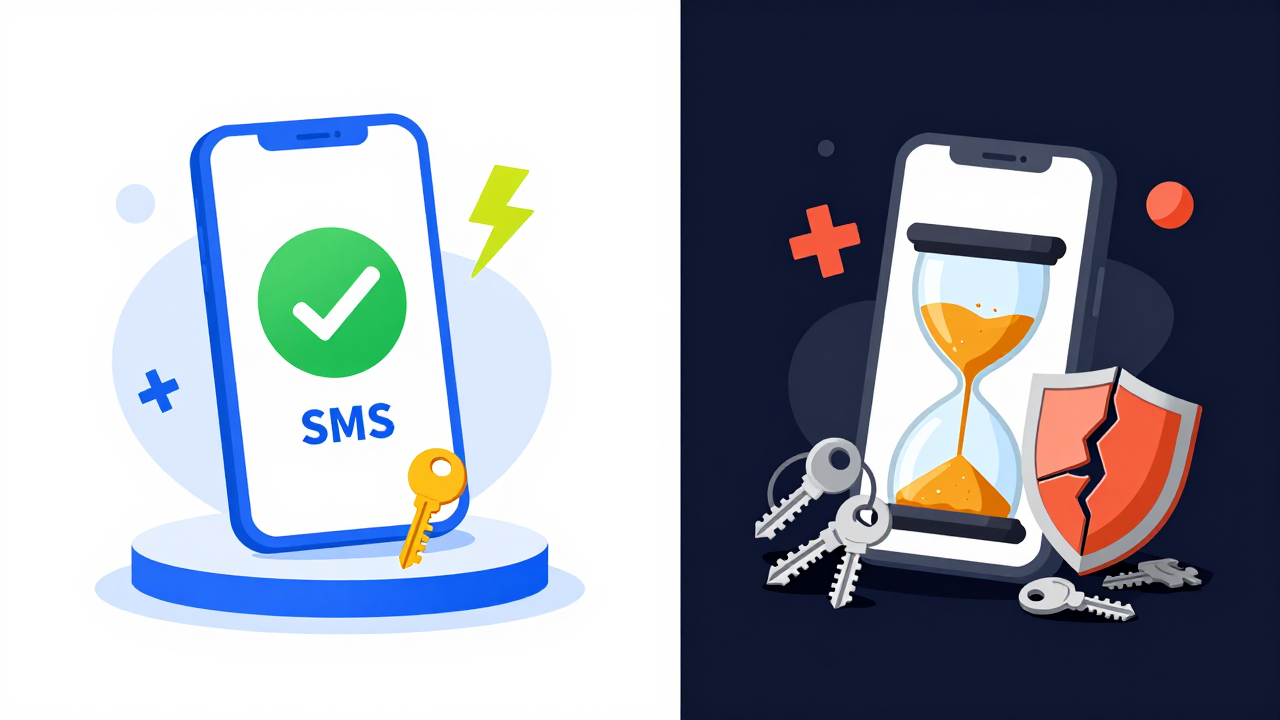
For cross-border sellers and remote teams, "instant SMS verification code reception" means a lot more than a marketing tagline. If you run a Shopify store, a TikTok Shop, or manage overseas social media accounts, you've probably hit the same wall: the platform says "code sent," but the text never arrives. A 30-second delay can mean a failed signup, a frozen account, or a temporarily locked ad account.
According to many cross-border operators, slow verification code delivery has become one of the most frustrating parts of daily operations. From my experience, what really determines speed isn't a flashy slogan — it's the underlying routing logic and how seriously the provider treats compliance.
Why Slow Verification Code Reception Is the Hidden Bottleneck for Cross-Border Business
Here's the reality: overseas platforms have tightened account verification requirements significantly. Apple ID, Google accounts, WhatsApp, Telegram, and Instagram all require a physical number to complete SMS verification. For a cross-border business, one phone number often has to support verification for multiple accounts — and platform risk controls are specifically designed to flag "reused numbers."
Every second you wait for a verification code is time you're handing to your competitors. A friend who runs Amazon product reviews told me he once waited six minutes for a code during peak hours. By the time it finally arrived, the risk window had closed, and his account had been flagged for "abnormal behavior."
- Failed registration — code times out before arrival, and the entire flow gets rolled back
- Account suspension — repeated verification from the same number triggers risk alerts
- Lower ranking — new accounts carry low trust weight, and verification delays make cold starts even harder
Industry consensus is clear: verification code delivery speed directly affects account retention and trust scoring.
Three Factors That Actually Determine Fast SMS Verification Code Reception
Instant delivery isn't just about wiring up an SMS API. Plenty of platforms claim "second-level receipt," but few actually pull it off. I tested one provider's "premium channel" myself and waited 140 seconds for a single code at 2 AM. What went wrong? It comes down to two things: the size of the number pool and the reuse strategy.
Platforms that consistently deliver codes fast share three technical traits. First, they maintain a large SIM card pool with genuinely activated numbers — not recycled ones. Second, they use distributed polling, so each request gets routed to an available number the moment it's submitted. Third, numbers go through a cleaning cycle after use before re-entering the pool, which stops them from being flagged as "already registered" by platform risk controls.
The industry consensus is that few providers stick to these standards. One platform with a solid reputation for this kind of compliant operation is Getfollow, which follows exactly this playbook.
How to Pick a Reliable SMS Verification Service Provider
Here's a cautionary tale. One operator chose the cheapest SMS receiving site to cut costs — and ended up with a shared number that had already been banned. The PayPal verification code arrived instantly, but the account was restricted the next day. Turns out that number had been used for 12 prior registrations. Receiving the code was basically handing the risk system all the evidence it needed.
So before you commit to a provider, ask these three questions — they're worth more than a hundred reviews:
- Are the numbers dedicated or shared? The ban-rate gap is massive. Dedicated numbers typically see ban rates below 10%; shared numbers can climb past 40%.
- Do they charge per use? Providers that support pay-per-use pricing invest more in their core infrastructure. Monthly subscription plans are often where the pitfalls hide.
- Is the number cooldown policy transparent? A provider with a clear cooldown cycle won't rotate the same numbers recklessly across multiple accounts.
| Factor | Shared Numbers | Dedicated Numbers |
|---|---|---|
| Ban rate | Can exceed 40% | Typically under 10% |
| Risk-control trigger | High — flagged as reused | Low — one user at a time |
| Best for | One-off registrations | Long-term account management |
From my experience, providers that charge per message, let you inspect the number pool, and publish clear refund policies are far easier to work with. These are the details you can verify — and they're the real benchmark of reliability.
Frequently Asked Questions
Why does it take so long to receive SMS verification codes on some platforms?
Slow delivery usually comes down to two issues: a small or overloaded number pool, and reused numbers that have already been flagged by platform risk controls. Providers with large SIM card pools and distributed polling mechanisms consistently deliver codes faster.
What's the difference between shared and dedicated numbers for SMS verification?
Shared numbers are used by multiple people for the same platform, which makes them far more likely to trigger risk flags — ban rates can exceed 40%. Dedicated numbers are assigned to only one user at a time, keeping ban rates under 10% in most cases.
How can I avoid high-risk numbers when choosing an SMS verification service?
Look for providers that let you view the number pool, enforce a cooldown period after each use, and support pay-per-message billing. A transparent reuse policy is the strongest signal that a provider manages its numbers responsibly.
From endless waiting to instant SMS verification code reception, Aima Code represents the entire industry's push toward speed and compliance. For cross-border businesses and independent operators, verification code delivery isn't something you can afford to wing — it directly affects account security, operational efficiency, and fund safety. My advice: run a small test first. Compare delivery speed, number quality, and risk-control performance across providers before committing long term. After all, a single verification step can be the line between a thriving account and a dead one.