SMS Auto-Forwarding via SMS Receiving Platforms: The 2026 Cross-Border Tool You Can't Ignore (and the Pitfalls to Avoid)
SMS Auto-Forwarding via SMS Receiving Platforms: The 2026 Cross-Border Tool You Can't Ignore (and the Pitfalls to Avoid)
After years in the cross-border space, the biggest lesson I've learned is this: account registration is far more complicated than most people expect. By 2026, risk-control systems on major platforms have gotten significantly sharper, and the "one person, one number" rule is now strictly enforced. Anyone running Amazon product reviews, TikTok account matrices, or WhatsApp outreach campaigns is dealing with verification codes on a daily basis.
That's why SMS receiving platforms with auto-forwarding have evolved from a niche workaround into a cross-border essential. That said, roughly 90% of the services on the market either offer poor-quality number pools or suffer from frustrating forwarding delays. Only a handful can actually support sustained business operations without hiccups.
The 2026 SMS Receiving Landscape: It's Not About "Can You Receive" but "How Reliably"
Here's a consensus across the industry: the SMS receiving platforms of 2026 are a far cry from the old "grab any number and hope for the best" approach. The real differentiators now are auto-forwarding speed and number pool longevity.
I've tested numerous platforms and noticed a recurring pattern: many numbers receive verification codes fine during registration, but when you try logging in three to five days later, you're hit with a "number expired" message. For teams running long-term account cultivation, that's nothing short of a disaster.
So when choosing a platform in 2026, price shouldn't be your first consideration—number reuse cycles should. Reputable providers typically keep numbers active for 30 days or more, and some even allow custom extensions. Platforms that only sell "one-time verification codes" can generally be written off as low-quality operations.
From Manual Copy-Paste to API Integration: The Evolution of SMS Auto-Forwarding
Many small studios still rely on the most primitive workflow: open the platform's web page, manually refresh, spot the code, and copy-paste it into the registration form. In 2026, this approach is a serious bottleneck—especially for batch registrations, where manual handling is not only slow but error-prone.
The genuinely efficient approach is API-based auto-forwarding. In simple terms, the platform pushes received verification codes directly to your server or local script with zero manual intervention. From my experience, the teams that are scaling successfully in 2026 are all using this technical route.
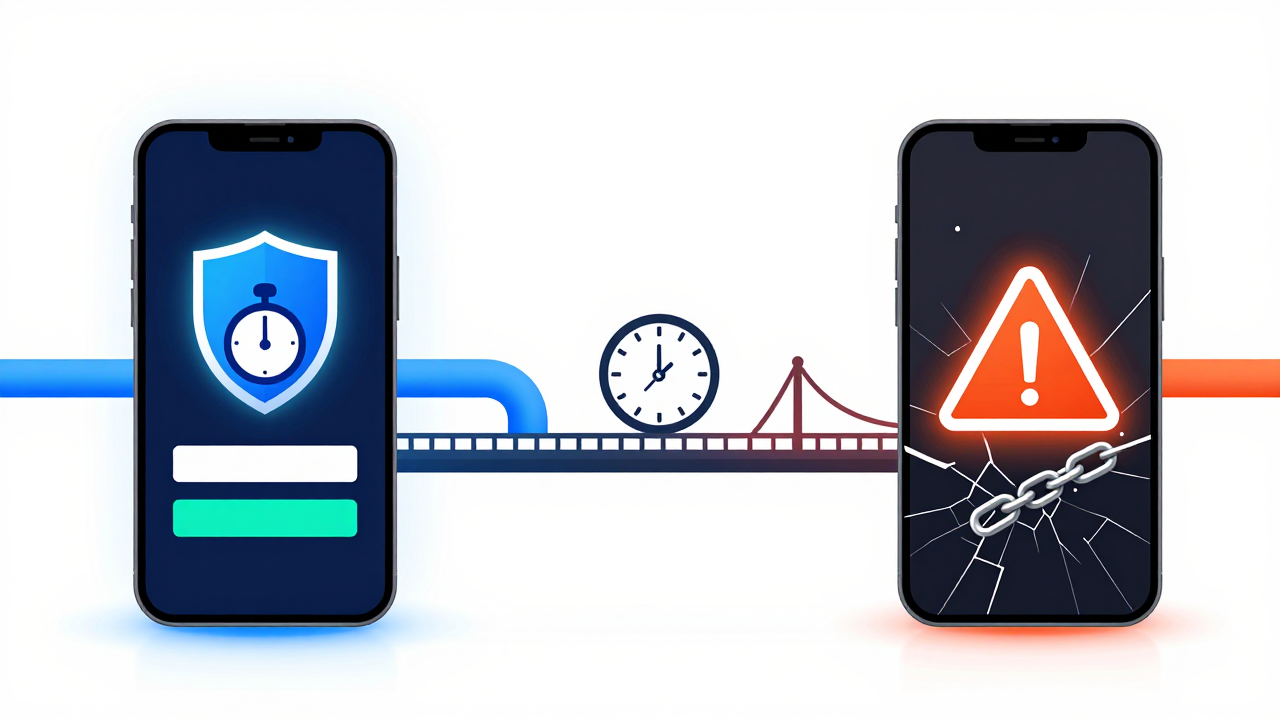
Here's a critical detail that trips people up: many platforms claim API support, but their actual forwarding latency exceeds 10 seconds. Apps like WhatsApp and Telegram typically give you a 60-second window to use a verification code. If forwarding is slow, the code expires before you can even use it. Always run a stopwatch test—only consider platforms that deliver codes in under 5 seconds.
Real Pain Points in Cross-Border Scenarios: Bans, Retention, and Costs
I've spoken with many TikTok matrix operators, and the most common complaint is: "Why do accounts registered through SMS receiving platforms never survive past a week?"
Here's the thing—the platform isn't always to blame. By 2026, TikTok's risk-control systems evaluate account authenticity through device fingerprints, network environments, behavioral patterns, and more. Solving the "verification code problem" alone won't keep your accounts safe.
That said, the quality of the number pool absolutely affects your account's initial standing. There's an unwritten rule in the industry: numbers from virtual carriers (like 170, 171 prefixes) have noticeably lower registration success rates compared to numbers from physical carriers. Many budget platforms bulk-purchase virtual numbers to cut costs, and users only discover the downside later when their accounts keep triggering risk alerts during normal use.
My advice for cross-border operations in 2026: pay a bit more for physical carrier numbers rather than gambling on cheap virtual ones. This isn't superstition—it's a pattern backed by extensive hands-on testing.
The Cost Breakdown: Are SMS Receiving Platforms Actually Expensive?
A lot of independent operators start by asking, "Are there any free SMS receiving platforms?" To be blunt, free options are almost always traps—either the numbers have been burned through by thousands of users, or the platform is using your phone number for shady activities. In 2026, legitimate platforms typically charge between $0.01 and $0.07 per verification code. Physical carrier numbers cost more, but the difference is still manageable.
The real expense isn't the per-code fee—it's long-term maintenance. Say you're managing 100 WhatsApp accounts, each requiring a login verification once a month. That's 100 SMS messages right there. Add in platform rental fees for number retention, and you're looking at roughly $0.30 to $0.70 per account per month.
Is that expensive? Honestly, it's far cheaper than hiring someone to manually handle verifications. But the catch is finding a platform that can consistently provide stable numbers with low forwarding latency.
How to Choose a Reliable SMS Receiving Platform: A 2026 Practical Guide
Drawing from my own experience and industry conversations, here's a practical checklist to help you avoid the common pitfalls in 2026.
- Verify number sources: Ask the platform to provide number location lookup. Prioritize physical carrier numbers. If a platform can't give you a straight answer, walk away.
- Test forwarding latency: Before committing, buy 1–2 test messages and time them with a stopwatch. From the moment the SMS hits the platform to when the API delivers it to you, anything over 5 seconds is a fail.
- Ask about retention policies: Clarify how long numbers remain reusable. Anything under 30 days isn't suitable for long-term account cultivation.
- Check risk-control track records: Search cross-border forums and communities for negative reviews, focusing on keywords like "never received code" or "number banned."
One trend worth noting in 2026: more platforms are offering customized solutions—matching numbers from specific regions based on your use case, or supporting bulk import/export features. This service model is far more practical than the old one-size-fits-all packages.
Among the platforms I've seen, Getfollow has built a solid reputation by following this exact playbook: small-scale testing first, then bulk purchasing once number quality is confirmed. Their API documentation is clear and well-structured, making integration relatively painless. Of course, that's just one perspective—make sure to compare options based on your specific business needs.
A Cautionary Tale: A Real Failure You Should Learn From
Earlier in 2026, a friend running a cross-border e-commerce business came to me frustrated. He'd loaded $70 into an SMS receiving platform, and within a week, every single number in his pool stopped working. To make things worse, customer support went completely dark, and his money was gone.
When I helped him analyze what happened, we identified three critical mistakes: first, he'd opted for "ultra-cheap" numbers at $0.007 per code; second, he'd skipped testing entirely and bought in bulk right away; and third, the platform provided zero number quality reporting. These three mistakes are practically the standard recipe for SMS platform disasters.
My advice: no matter how impressive a platform's marketing looks, always test small before committing long-term. Spending a few dollars on 10 test messages to verify latency and number survival rates is far smarter than blindly depositing hundreds.
Where SMS Auto-Forwarding Is Headed in 2026 and Beyond
From an industry perspective, SMS receiving platforms are shifting from "pure tools" to "service providers." Simply receiving verification codes no longer meets the demands of cross-border operations. The future battleground is integrated account management solutions—think automatic verification code recognition, intelligent number matching, and abnormal login alerts.
For cross-border companies and independent operators, this is welcome news. It means we can redirect our energy toward actual business growth instead of wrestling with verification codes. At the same time, stay vigilant—as platforms become more feature-rich, the cost of choosing wrong goes up too.
One final honest take: SMS auto-forwarding is fundamentally an efficiency booster, not a security solution. It solves the speed problem, not the account safety problem. If your business model carries inherent compliance risks, no SMS platform can save you. Operating within the rules is always the most sustainable strategy.
I hope this guide helps you make smarter decisions in 2026. If you have your own experiences—successes or failures—feel free to share them in the comments below.
Frequently Asked Questions
What is an SMS receiving platform with auto-forwarding?
It's a service that provides temporary phone numbers to receive verification codes, then automatically forwards those codes to you via API or dashboard. This eliminates the need to manually check for incoming messages, making batch account registration significantly faster.
Are free SMS receiving platforms safe to use?
Generally, no. Free platforms often recycle heavily used numbers that trigger risk controls, or they may misuse your phone number for unauthorized activities. In 2026, legitimate paid platforms typically charge between $0.01 and $0.07 per code, which is a reasonable price for reliability.
How can I test if an SMS platform has low forwarding latency?
Purchase 1–2 test messages and time the delivery with a stopwatch. Measure from when the SMS arrives at the platform to when the API pushes it to your system. Anything under 5 seconds is acceptable; anything above 10 seconds will likely cause issues with time-sensitive verification codes.
Why do accounts registered with virtual carrier numbers get banned more often?
Virtual carrier numbers (like 170 and 171 prefixes) are heavily used by automated systems and bulk registrations, so platforms like TikTok and WhatsApp flag them more aggressively. Physical carrier numbers have a higher trust score and are less likely to trigger risk alerts.
What's the typical monthly cost of maintaining accounts through an SMS platform?
For 100 accounts requiring monthly login verifications, you're looking at roughly $0.30 to $0.70 per account per month, depending on the platform's per-code pricing and any number retention fees. This is significantly cheaper than manual verification handling.