Stop Buying Overseas Apple IDs Based Only on Price — 2026 Insider Tells You What to Look For
Stop Buying Overseas Apple IDs Based Only on Price — 2026 Insider Tells You What to Look For
A lot of people, when they buy overseas Apple ID accounts — their first instinct is to look at price. They buy from whoever's cheapest.
And what happens? After they buy it — they find out it's either a shared account that dies in two days, or a black-market account that gets banned in a few days, or there's nobody to help when something goes wrong. They spend plenty of money and get plenty of grief.
Why is this? Because you only look at price — you don't look at account quality.
Overseas Apple ID accounts — they're not like other things. Cheaper isn't always better. Account quality varies a lot, and prices vary a lot too. If you only look at price — it's easy to get scammed.
In this article, I'm talking about what else you should look at besides price when buying overseas Apple ID accounts. After reading this — you'll know how to judge account quality.
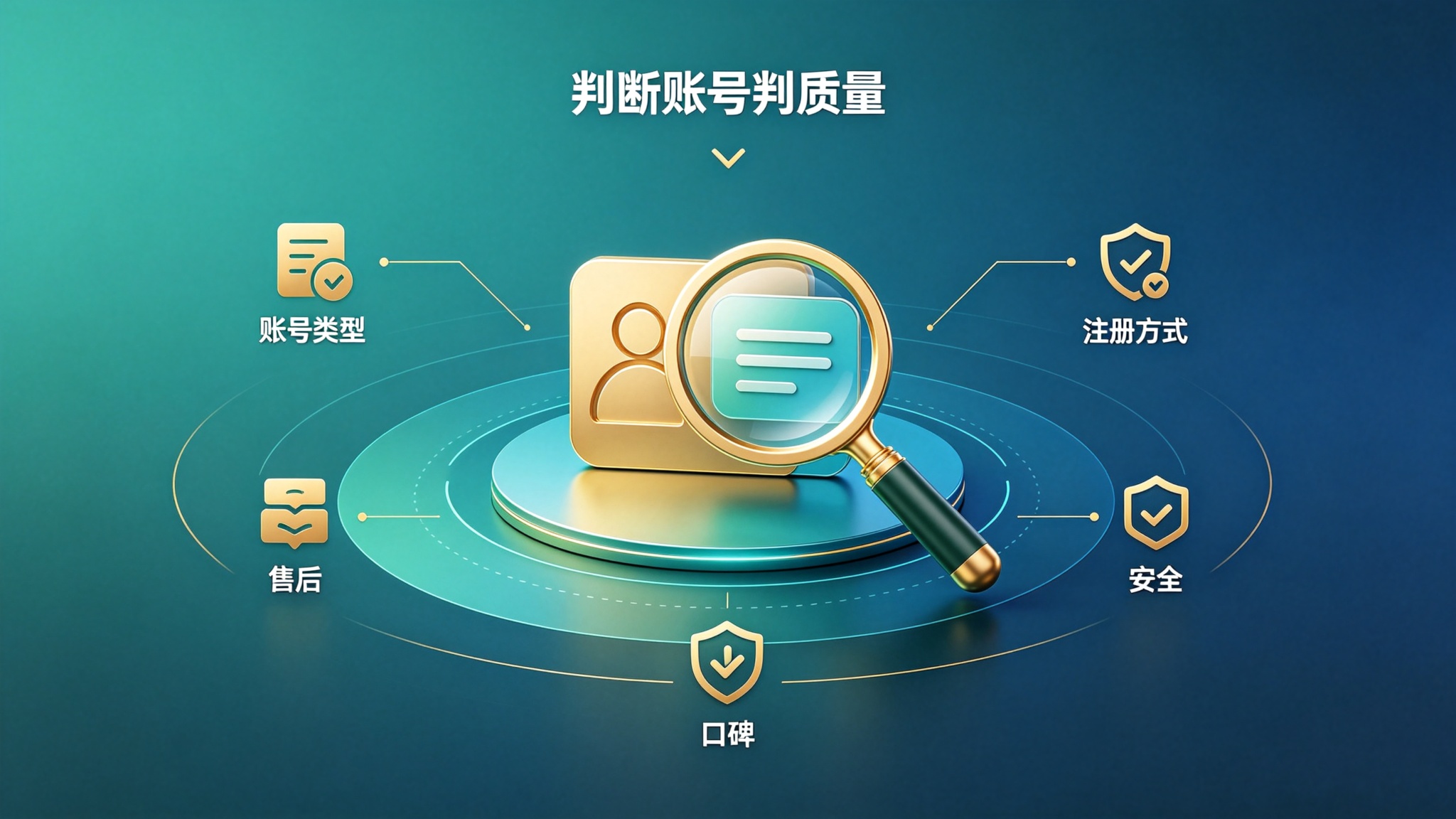
Here's the short version: When buying accounts — price is just a reference. What matters more is account quality. These few things — way more important than price.
First: Account Type
The first thing to look at — account type.
A lot of people buy accounts without even knowing what type of account they're buying. They just look at price. That's how you get scammed the easiest.
Accounts on the market roughly fall into three tiers:
Shared accounts: The cheapest kind — a few bucks each. Lots of people sharing one account. You can't change the password, it could stop working anytime. Good for temporary use, just download something and you're done. If you plan to use it long-term — buying this is just throwing money away.
Batch-registered accounts: Better than shared accounts. Exclusive — just you using it. But the registration method isn't exactly legitimate. Usually registered in bulk with virtual phone numbers. Mid-range price, like ten to thirty bucks. You can change the password, but stability is so-so. Might get flagged by fraud detection someday.
Legitimate exclusive accounts: The best tier. Registered through legitimate channels. You can change all security info. Longer warranty period. After-sales support. Also the most expensive — like fifty to over a hundred bucks. But they're stable and secure. With normal use, they can last for years.
These three tiers — very different prices, very different quality.
A lot of people lose money because they pay legitimate-account prices but get batch-registered accounts — or even shared accounts. The seller's title says "exclusive account," "legitimate account" — but they're actually selling the cheap ones. Beginners can't tell the difference at all.
So — before you buy — make sure you know what type of account you're getting. Don't overpay.
How do you tell? It's simple: Can you change the password? Can you change security questions? Can you change the rescue email? If you can't change them — walk away. No matter what they say. If you can change them — at least it's an exclusive account. Whether it's legitimately registered — well, that depends on the seller's integrity.
Second: Registration Method
Second thing to look at — registration method.
Even with exclusive accounts — different registration methods mean very different quality and stability.
Common registration methods fall into a few categories:
Virtual number bulk registration: Registered in bulk with virtual phone numbers. Low cost, cheap price. But poor stability, easy to get flagged. Might get banned anytime.
Semi-legitimate registration: Better than batch-registered accounts. Uses relatively real info — but not completely legitimate. Stability is better than batch-registered accounts.
Legitimate channel registration: Registered with real phone numbers, real addresses, legitimate network environment. High cost, expensive price. But the best stability. With normal use, they can last for years.
Stolen accounts / black-market accounts: The worst kind. Registered with stolen info, stolen credit cards, or other illegal methods. Extremely low cost, can be sold very cheap. Everything seems normal when you first get it — but it could get banned anytime, and you can't get it back.
These different registration methods — very different prices, very different quality.
But the problem is — when you first get the account — you can't tell which registration method it is. When you first get it — they all work normally. The difference only shows up after a while.
That's why so many people get scammed. Everything's fine when they first buy it. Then after a while the account gets banned — and only then do they realize they got scammed.
So how do you tell? Honestly — beginners have a hard time telling. You can only judge indirectly from the seller's reputation, price, after-sales, etc.
Generally speaking — if it's too cheap — there's definitely something wrong. In this industry especially, you get what you pay for. If an account is selling for super cheap — it's probably a batch-registered account, or even a black-market account.
Third: After-sales Support
Third thing to look at — after-sales support.
Buying an account — it's not a one-and-done deal. If the account has problems — whether you can find someone to help — that matters a lot.
A lot of people buy accounts — they only look at price, they don't look at after-sales. Then when the account has a problem — they can't find anyone, or the seller makes all kinds of excuses, won't help. Wasted money, and you're mad about it.
So what should you look at for after-sales?
How long is the warranty? The longer the warranty — the more confident the seller is in their accounts. But don't take "lifetime warranty" too seriously — just hear it, don't believe it.
What happens if there's a problem? Replacement or refund? What's covered by the warranty? Ask all of this.
Can you still find the seller? If it's an established store on Taobao — relatively better, at least the store is still there. If it's an individual seller, or a new store — they might disappear anytime. Who do you go to then?
How fast does customer service respond? Ask a few questions before you buy. See how fast customer service responds, how professional they are. If they're barely responsive before you buy — don't expect much after you buy, when something goes wrong.
A lot of people think after-sales doesn't matter — you buy the account and you use it, that's it. But actually — accounts having problems is common. Having reliable after-sales — saves you a lot of trouble.
Of course — don't take warranty too seriously either. Warranty — it only exists if the seller is still there. If the seller runs off — warranty is a joke.
What's really reliable isn't how long the warranty is — it's how long the seller has been around, what their reputation is like. Sellers that have been around for several years and are still going — those are relatively more reliable.
Fourth: Account Security
Fourth thing to look at — account security.
When buying an account — security comes first. If the account isn't secure — nothing else matters.
What should you look at for account security?
Can you change all security info? Password, security questions, rescue email, two-factor authentication… can you change all of them to your own? If you can — then you have control over the account. If you can't — then the account could get recovered anytime.
Are there other devices bound to it? After you get the account — check if there are other devices bound to it. If there are — remove all of them. Otherwise other people can log into your account through those devices.
Is two-factor authentication enabled? If you can enable two-factor authentication — definitely do it. Two-factor authentication is the safest way to protect your account. Use your own phone number or device to receive verification codes.
Is the registration info real? This one is harder to judge. But if the registration info is fake or stolen — then if the account gets banned — you can't even appeal it.
A lot of people buy accounts — they only check if it works, they don't check if it's secure. Then the account gets recovered, or it gets banned — and only then do they regret it.
Remember — when buying an account, security comes first. No matter how cheap it is — if it's not secure — don't buy it.
First thing after you get the account — lock it down. Change the password, security questions, rescue email, enable two-factor authentication — all of it, set to your own info. Don't think it's a hassle. Security first.
Fifth: Seller Reputation
Fifth thing to look at — seller reputation.
Buying accounts — you're basically buying the seller's trustworthiness. Whether the account is good, whether it's reliable — it all depends on the seller.
So how do you judge a seller's reputation?
How long have they been around? The longer they've been around — the relatively more reliable they are. If they've been around for several years and they're still going — that means their reputation is decent, otherwise they would have gone out of business already. New stores — you don't know if they're serious about it, or if they're just here to scam a bunch of people and leave.
Look at reviews. Don't just look at good reviews. Look at negative reviews and follow-up reviews — especially follow-ups from a while later. It worked fine at first, but then a month later it had problems. Those follow-ups are the most honest.
Is customer service professional? Ask a few questions before you buy. See how smoothly and professionally customer service answers. If they answer smoothly and professionally — then this seller is probably okay. If they can't answer, or they hesitate — be careful.
Do you have a friend's recommendation? If a friend has bought from them and thinks they're good, and recommends them — then it's relatively more reliable. After all, your friend wouldn't lie to you.
A lot of people buy accounts — they only look at price, they don't look at seller reputation. Then they end up with an unreliable seller and get scammed.
Remember — finding the right seller is more important than anything. Find the right seller — easy and hassle-free, works for years. Pick the wrong seller — you lose your money, lose the account, and you're mad about it.
So Price Doesn't Matter?
After all that — does price not matter?
Of course it matters. Price definitely matters. But price is just a reference — not the only standard.
Too cheap — definitely something wrong. No question. In this industry especially, you get what you pay for.
But too expensive doesn't necessarily mean better either. Some sellers exploit the "expensive means good" mentality — they sell regular accounts at super high prices. Beginners don't know any better, they think expensive means good — and they end up overpaying.
So what price range is about right? Mid-to-high range. A bit more than the cheapest, but not the most expensive. Accounts in this price range are relatively more reliable, and the value is better.
What exactly counts as mid-to-high? Depends on the region and the account type. Search around, see what the general price range is, pick something mid-to-high.
Remember — don't be cheap, and don't blindly buy the most expensive one. Look at account type, registration method, after-sales, security, reputation — then look at price. That's how you get the best value.
Different Needs — How to Choose?
After all that — for people with different needs, how do you choose?
Just temporary use, done after one time: Just get a shared account. A few bucks, cheap. But don't expect to use it long-term, and don't put any money into it.
Casual personal use, limited budget: Get a batch-registered exclusive account. Ten to a few dozen bucks. You can change the password, just you use it — way more reliable than a shared account. Best value for money.
Planning to use long-term, want some stability: Get a legitimate exclusive account. A few dozen to over a hundred bucks. Yeah, it costs more — but it's stable, secure, lasts for years. When you do the math — it's actually a better deal.
Running projects / business, need high stability: Don't go with small sellers on Taobao. Go straight to a legitimate platform, like Getfollow. Yeah, it costs more — but it's reliable, stable, and there's after-sales support. When the account dies and you lose progress — that costs way more than the account ever did.
From my observation, in 2026, prices in this industry are pretty transparent. Too cheap — definitely something wrong. Too expensive — not necessarily better. Mid-to-high range prices are relatively more reliable, and the value is better.
Final Thoughts
When buying overseas Apple ID accounts — stop only looking at price.
Price is just a reference. What matters more is account quality. Account type, registration method, after-sales support, account security, seller reputation — all of these are more important than price.
If you only look at price — it's easy to get scammed. Being cheap and paying the price later — this saying couldn't be more true when it comes to buying accounts.
Of course — that doesn't mean more expensive is always better. Too expensive doesn't necessarily mean reliable either. Look at everything — pick the one with the best value.
Remember a few principles: Buy exclusive accounts, ones where you can change all security info, find reliable sellers, test first then scale up, lock it down after you get it. These principles will help you avoid most scams.
If you're just a casual personal user — find a reliable established store on Taobao, good value for money. If you're running projects or a business and you need high stability — go straight for a legitimate platform. Don't save pennies on accounts. Your time and data are what's really valuable.
And as always: Start small, test first, then scale up. No matter how good the seller sounds, don't buy in bulk on your first try. Slow and steady always wins.