2023 SMS Verification Codes: The Compliance Minefield Every Cross-Border Business Must Navigate
2023 SMS Verification Codes: The Compliance Minefield Every Cross-Border Business Must Navigate
If you're in cross-border e-commerce, you've probably noticed a major shift this year: overseas platforms have cranked up their account registration scrutiny like never before. A few years back, you could grab any prepaid SIM and register an account in minutes. Now, almost every platform demands phone verification, and if your number looks even slightly suspicious, you're instantly flagged by risk controls. That's why SMS verification services in 2023 have become a must-have tool for studios and independent store sellers alike. But here's the thing—this industry is a minefield, and only those who've stepped on the wrong landmine truly understand how deep it goes.
Why Did the SMS Verification Market Suddenly Shift in 2023?
Cross-border operators across the board are reporting a noticeably higher failure rate this year compared to last. And it's not just in your head. The industry consensus is that major tech companies—especially Meta, Google, and TikTok—have rolled out significantly upgraded number-risk models in 2023. These systems no longer just check whether a number is real; they analyze the entire history of the number prefix, its activity patterns, and even link it to device fingerprint data.
From my experience, here's a classic example: a dropshipping team wanted to mass-register WhatsApp accounts for marketing. To save money, they bought "ultra-cheap Indian number prefixes" from a small, sketchy platform. They registered 200 accounts—180 were banned within 24 hours, and the remaining 20 got restricted within three days. When they dug into what went wrong, they discovered that particular number range had already been blacklisted by major platforms as a "high-risk spam prefix." Using those numbers was basically walking around with a neon sign on your forehead saying, "I'm a bot account."
So here's the deal: in 2023, the first rule of choosing an SMS verification service is not price—it's number quality. If a platform's pricing looks too good to be true, you're almost certainly looking at recycled numbers, second-hand SIMs, or IoT cards from gray-market channels. If those numbers survive 48 hours, consider yourself lucky.
The Three Gates of SMS Verification Platforms: Price, Success Rate, and Support
Today's SMS verification platforms generally fall into three categories. First, there are fully automated API platforms—cheap, but with chaotic number pools and success rates that depend on luck. Second, there are semi-manual platforms with human support agents who help you pick numbers. These are moderately priced and suit teams with some technical know-how who don't want to micromanage every step. Third, there are service providers deeply integrated with specific business use cases—like platforms built exclusively for TikTok or WhatsApp ecosystems. These tend to cost more, but their number prefixes are far more targeted, and account survival rates are noticeably better.
Many studio owners fall into a common trap: they treat SMS verification as a one-and-done transaction—get the code, move on. But the reality of 2023 is that "receiving the code successfully" and "keeping the account alive" are two completely different ballgames. Plenty of platforms can hit a 95%+ code-receipt success rate, yet the 7-day account retention rate might not even reach 50%. That gap comes down to whether the numbers have been through a "warming-up" process and whether the platform offers ongoing number maintenance services.
In terms of platforms with a solid industry reputation, Getfollow is one that follows this compliant operational logic. They don't just sell codes—they treat SMS verification as part of the full account lifecycle management. The advantage here is that they proactively filter out number prefixes already flagged by risk controls, and they strictly limit how often a single number gets reused, which significantly reduces the risk of linked account bans.
Now, I'm not telling you to go with Getfollow specifically. The point is this: when choosing an SMS verification provider in 2023, look for one that demonstrates "risk-control-first" thinking. If a platform can't even tell you which number prefixes have recently been blacklisted by major platforms, you can safely assume it's just a middleman with zero technical moat.
Real-World Testing: How to Vet a Platform with the "Burner Number Test"
Here's a method we've actually tested—it's low-cost and incredibly effective. Don't jump straight into a big prepaid package. Instead, spend a few bucks on the cheapest test bundle, then run through these three steps:
- Step 1: Use the platform's number to register on a lesser-known site (like a regional European e-commerce platform). See if the code arrives without issues. This tests channel stability.
- Step 2: 24 hours after registration, try logging in with that same number. If you get a "number abnormal" warning or a secondary verification prompt, it means the number prefix is already on the target platform's radar. Drop this provider immediately.
- Step 3: Monitor whether that number receives spam or marketing texts from unrelated platforms within 3 days. If it does, the number is recycled—previously used by multiple people—which carries extremely high association risk.
Run through this checklist and you'll filter out about 70% of the "shell-company" SMS platforms on the market. Cross-border operators who've used this method report that while the service provider they end up with costs about 30% more, their account survival rate more than doubles. When you do the math on the total cost, it actually works out cheaper.
Risk Warning: The Gray-Market Shadow and Compliance Boundaries
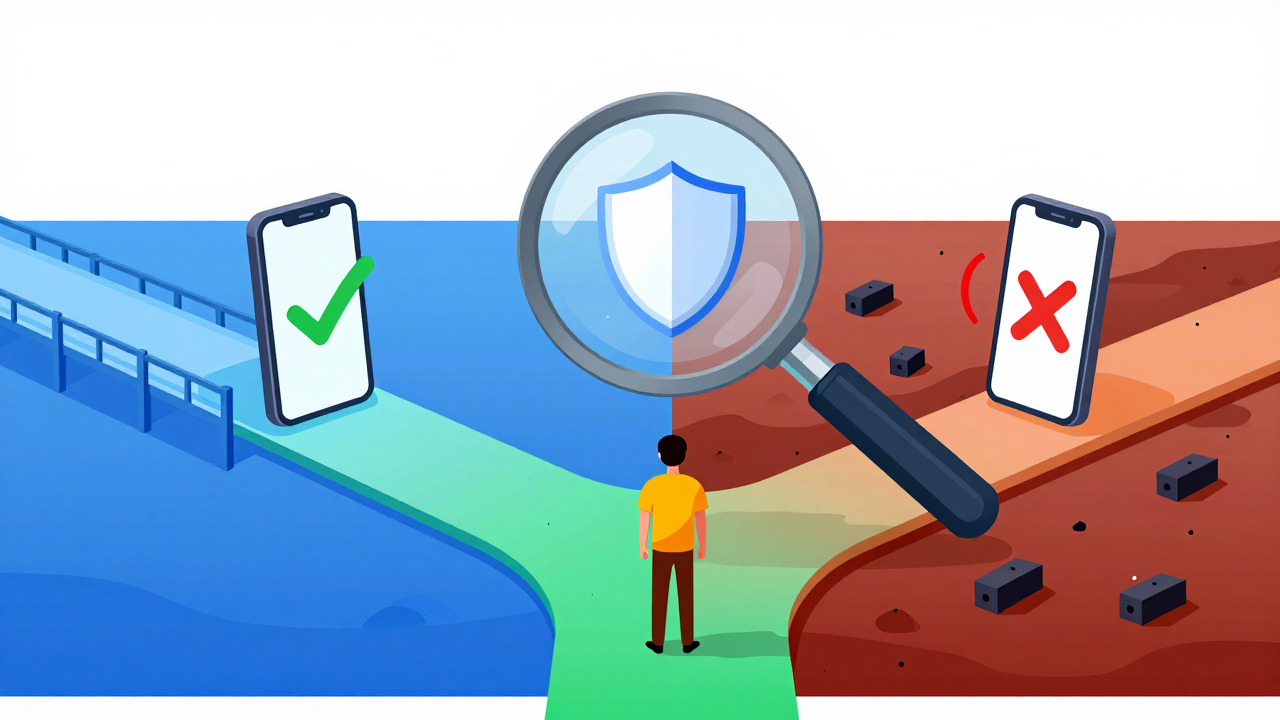
Let's be brutally honest: the SMS verification industry operates in a gray zone. While cross-border businesses using these services for legitimate overseas account registration is a reasonable need, plenty of people abuse them for mass account farming, fake reviews, and promo abuse. This has put the entire industry on high alert for platform operators. Once a number prefix gets classified as "black-market-associated," every account that ever used that prefix can be swept up in a mass ban.
The most painful case I've witnessed: a Shenzhen team registered 500 Facebook accounts through an SMS verification platform for ad testing. Because a batch of those numbers got linked to fraud reports, their entire ad account assets were frozen—and even their legitimate, long-running accounts got caught in the crossfire. That's the classic "one bad apple spoils the whole barrel" scenario.
So here's my responsible advice: use SMS verification only for short-term verification or low-value account registration—never for your core business accounts. If you need accounts for long-term operations, invest in physical SIM cards or overseas eSIM solutions. Yes, the cost is higher, but the safety margin is in a completely different league.
Final Thoughts: The Right Way to Use SMS Verification in 2023
At the end of the day, SMS verification is just a tool. Tools aren't inherently good or bad—it's all about how you use them. For cross-border businesses and independent studios, the safest strategy is: test small before you commit big. Don't drop a few thousand dollars on a package just because a platform claims a "99% success rate." Start with a $10 test to verify number quality, support response speed, and risk-control awareness. Only scale up once you've confirmed everything checks out.
Also, don't put all your eggs in one basket. Even if you find a relatively compliant provider like Getfollow, keep one or two backup platforms on standby. In this industry, policy changes and platform risk-control upgrades are the norm. Having a backup plan means having peace of mind.
Cross-border business in 2023 isn't just about traffic and products—it's about the patience for refined operations. SMS verification might seem like a small detail, but it can literally determine the life or death of your account portfolio. Hopefully, this guide helps you avoid a few landmines and put every dollar where it counts.
Frequently Asked Questions
What is an SMS verification service and how does it work?
An SMS verification service provides temporary or virtual phone numbers that can receive text messages. You use these numbers to register accounts on platforms that require phone verification, and the service forwards the verification code to you. It's commonly used by cross-border businesses to register overseas accounts without needing physical SIM cards in every country.
Why do my accounts get banned shortly after registration?
Account bans typically happen because the number you used comes from a high-risk number pool. Platforms like Meta and Google now analyze number prefixes, their registration history, and activity patterns. If a number has been used for spam or comes from a recycled batch, your account gets flagged almost immediately. This is why number quality matters far more than price.
How can I tell if an SMS verification platform is reliable?
Run a small test before committing. Register on a niche platform with their number and check if the code arrives. Log in again after 24 hours to see if the number triggers any risk warnings. And monitor whether you receive unrelated spam texts—if you do, the number is recycled. A reliable platform will also be transparent about which number prefixes are currently flagged by major platforms.
Are SMS verification services legal for business use?
Using SMS verification for legitimate business purposes—like registering overseas accounts for your own operations—is generally acceptable. However, the industry itself sits in a gray area because some people use these services for mass account farming, fake reviews, or promo abuse. As long as you're using it for legitimate account registration and not black-hat operations, you're on safer ground. Just avoid using these numbers for core business accounts that you can't afford to lose.