Best SMS Verification Services for Cross-Border Accounts in 2026: A Practical Guide
Best SMS Verification Services for Cross-Border Accounts in 2026: A Practical Guide
If you work in cross-border e-commerce, you already know the drill—you need accounts. Lots of them. From WhatsApp to Telegram, Amazon to TikTok, every registration, warm-up, and unlock requires SMS verification. Here's the hard truth my peers and I have learned the expensive way: the old trick of grabbing any cheap virtual number and hoping for the best stopped working years ago. In 2026, platform risk controls have evolved far beyond what most sellers realize.
I've spoken with dozens of cross-border sellers and independent site operators, and the consensus is clear: the biggest headache in 2026 isn't ad costs—it's account survival rates. You pay for ads, register fresh accounts, and by the next morning, you're staring at a login alert. One verification code never arrives, and the entire account is dead on arrival. This isn't bad luck. More often than not, the root cause traces back to the SMS verification service you picked from day one.
Why SMS Verification Became High-Risk in 2026
Let's start with what industry insiders already know: major platforms now use algorithms that instantly flag virtual number ranges and irregular usage patterns. The old approach—grabbing a disposable number from any random SMS platform and registering—now results in what we jokingly call "register one, ban one."
From my experience, the biggest shift is this: platform risk models have moved from single-point verification to full behavioral chain analysis. It's no longer just about whether you receive the code. Systems now examine the number's country of origin, how long it's been active, whether multiple users have touched it, and whether other accounts on your IP segment show suspicious links to each other.
Industry observers note a grim pattern: numbers from public SMS pools may show decent registration success rates, but retention is another story. Rough estimates floating around the community suggest that accounts registered with public pool numbers have a 24-hour survival rate below 30%. More than half get flagged for secondary verification during first login or when binding a payment method—and by then, you no longer have access to that number.
The Fatal Flaw of Public SMS Pools: You Never Own the Number
Here's the critical point most people miss: SMS verification isn't about the moment you receive the code—it's about ongoing access to that number. Public pool numbers are use-and-discard. You have zero ownership. The moment your account needs a second verification, a password reset, or an appeal, you can't produce that number, and your account is as good as gone.
Let me share a real case. A friend running an independent site bought a cheap SMS package last year to mass-register TikTok accounts for traffic testing. Out of 100 accounts, over 60 got hit with "environment anomaly" phone verification requests by day three. He couldn't recover a single number. Thousands of dollars down the drain. Textbook case of penny-wise, pound-foolish.
What Cross-Border Sellers Actually Use in 2026
So if public pools are out, what's working? Based on what I've seen across the industry, three main approaches have emerged—each with its own trade-offs and pitfalls.
- Physical SIM cards + GSM modem pools. The heaviest investment. You buy real overseas SIM cards, plug them into modem banks, and manage everything through software. The upside is authentic numbers with high trust scores. The downside: significant upfront costs, ongoing maintenance, and overseas carriers can still flag your activity.
- VoIP numbers (Google Voice and similar). These can receive some verification codes, but by 2026, most major platforms either reject VoIP number ranges outright or severely restrict accounts registered with them—often blocking advertising features entirely.
- Professional cross-border SMS verification providers. These services offer dedicated or long-term rental numbers with cleaner reputations, plus features like number forwarding or cloud-based message retrieval. A common pattern we see in the industry is platforms like Getfollow gaining traction because they emphasize number ownership and stability rather than selling one-time pool access.
Quick clarification: I'm not telling you to rush out and buy from Getfollow specifically. I'm using them as an example of where the industry is heading. Any SMS verification provider still relying on high-volume disposable numbers in 2026 probably won't survive the year. The ones that last are all pivoting toward dedicated, controlled number solutions.
How to Vet an SMS Verification Provider: A 3-Step Field Test
People ask me all the time how to pick a reliable provider in 2026. I always recommend what I call the "three-step field test"—I've run it myself, and it works.
- Test the number retention period. Don't buy a big package right away. Purchase one dedicated number, let it sit for three days, and see if the provider reclaims it without warning. If the number still logs in smoothly after 72 hours, the provider has proper number resource management.
- Trigger a secondary verification. Register a throwaway account and deliberately trigger two-factor authentication. See if the provider can forward the SMS within five minutes. Many smaller platforms fail this test immediately because they don't actually maintain long-term control over their numbers.
- Probe the support team's expertise. Ask directly: "How do you handle numbers getting flagged by platforms?" If the response is a vague "our numbers are very stable," walk away. A competent provider will explain their number sourcing, isolation protocols, and failure compensation policies in concrete terms.
Honestly, in 2026, cross-border success comes down to details. SMS verification seems like a minor link in the chain, but it determines whether your account has a clean "birth certificate." If you start with a flagged number range, all the warm-up effort in the world won't save you. You're fighting uphill from day one.
Stop Comparing Prices—Hidden Costs Are What Hurt
I notice many independent operators compare per-code prices first. A verification code costs a few cents here, a few more there—what's the difference, right? But here's the real 2026 market reality: cheap numbers come with alarmingly high failure rates.
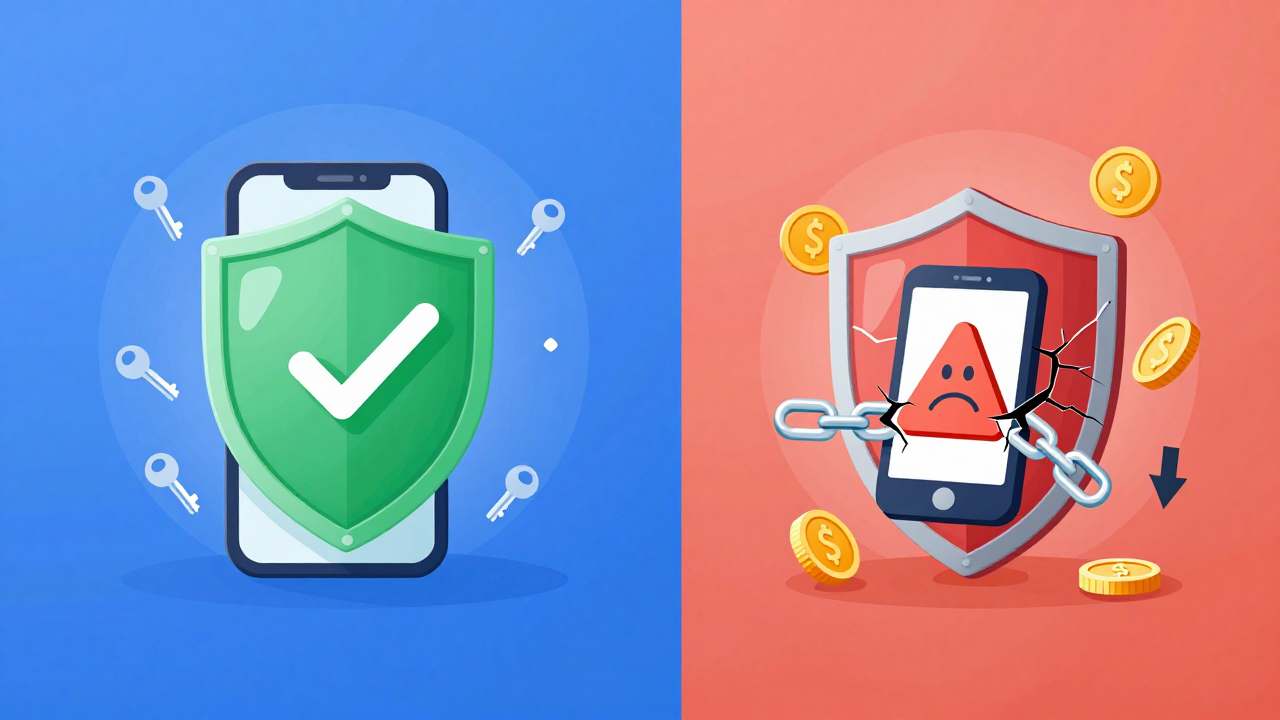
Let me define "failure rate" clearly: you pay for a number, but because it's already flagged or can't receive SMS from specific platforms, you never get the code. Some providers have failure rates as high as 40%. They'll refund your money, sure, but they can't refund the wasted time or the lost registration opportunities.
Industry consensus puts the realistic cost of a dedicated number that reliably receives verification codes from major cross-border platforms at roughly $3 to $7 per month. Anything below that range is either a public pool number or a high-risk number range. And if someone's charging way above that, you'd better be getting genuine value-adds like API integration or multi-platform compatibility.
My practical advice: if you only need to register one or two accounts occasionally, use a physical SIM or borrow a friend's number. But if you're operating at scale—running a studio or managing multiple accounts—prioritize number stability over price. Pay double if you have to, as long as you're getting above a 90% success rate.
One more thing that's changed in 2026: platforms are now cross-referencing accounts registered with the same number. Use one number for Facebook and another for WhatsApp, and those accounts may be linked behind the scenes. If one gets flagged, the other gets dragged down with it. Whenever possible, use one dedicated number per core business account. Don't cut corners here.
Final Thoughts: Stability Beats Cheap Every Time
At the end of the day, SMS verification is the most basic—and most unforgiving—part of cross-border operations. The 2026 algorithm environment has zero tolerance for shortcuts. Whether you go with a professional provider like Getfollow or build your own SIM card pool, the core principle stays the same: what you actually need isn't a single SMS—it's a long-term, stable, controllable, and clean number identity.
Here's my final, responsible recommendation for every cross-border operator: no matter which provider you're considering, test small before you commit. Buy ten numbers, run them for a week, and track actual retention rates and secondary verification pass rates. Only then decide whether to scale up. This isn't just about risk management—it's the most responsible thing you can do for your business in an ecosystem as unpredictable as 2026's.
I hope this breakdown helps you avoid some of the pitfalls I've seen (and personally stumbled into). If you've got your own experiences—good or bad—drop them in the comments. The more we share, the more stable we all become.
Frequently Asked Questions
What is the best SMS verification service for cross-border accounts in 2026?
The best choice depends on your scale. For bulk operations, professional providers offering dedicated numbers with long-term stability (like Getfollow) generally outperform public SMS pools. For occasional use, a physical SIM card is the most reliable option. Always run a small test batch before committing to any provider.
Why do my accounts get banned after registering with SMS verification services?
Most bans trace back to number quality. Public pool numbers are frequently flagged because they're shared across many users and show abnormal usage patterns. Platforms in 2026 use behavioral analysis that detects these red flags quickly. Using dedicated, clean numbers dramatically improves account survival rates.
How much should I pay for a reliable SMS verification number?
Industry consensus puts the realistic range at $3 to $7 per month for a dedicated number that reliably receives verification codes from major platforms. Significantly cheaper options are usually public pool numbers with high failure rates, while premium pricing should come with clear value-adds like API access or multi-platform support.
Can I use Google Voice or other VoIP numbers for account registration?
In 2026, most major platforms either reject VoIP number ranges outright or impose severe restrictions, including blocking advertising features. While VoIP numbers work for some minor services, they're not a viable solution for serious cross-border operations.
How do I test if an SMS verification provider is reliable?
Run a three-step field test: buy one dedicated number and see if it survives three days without being reclaimed; trigger a secondary verification on a throwaway account and time the SMS forwarding response; and ask support about their number sourcing and flagging protocols. A provider that passes all three tests is worth considering.