SMS Verification Code Platform Spam in 2026: How Cross-Border Businesses Can Avoid the Hidden Trap
SMS Verification Code Platform Spam in 2026: How Cross-Border Businesses Can Avoid the Hidden Trap
If you run a cross-border business—especially a standalone store or social media operation—you've almost certainly used an SMS verification code platform. But since early 2026, complaints about spam from these services have gotten noticeably louder. A lot of studio operators tell me the same story: before they even get their accounts warmed up, their phones are already drowning in junk messages.
This isn't just an annoyance anymore. It's directly eating into account security and operational costs. After talking to a few friends who've been deep in the cross-border services game for years, I found the darker side of this industry is more concerning than most people realize.
Where Does the Spam Actually Come From? It's Not Malice—It's Broken Mechanics
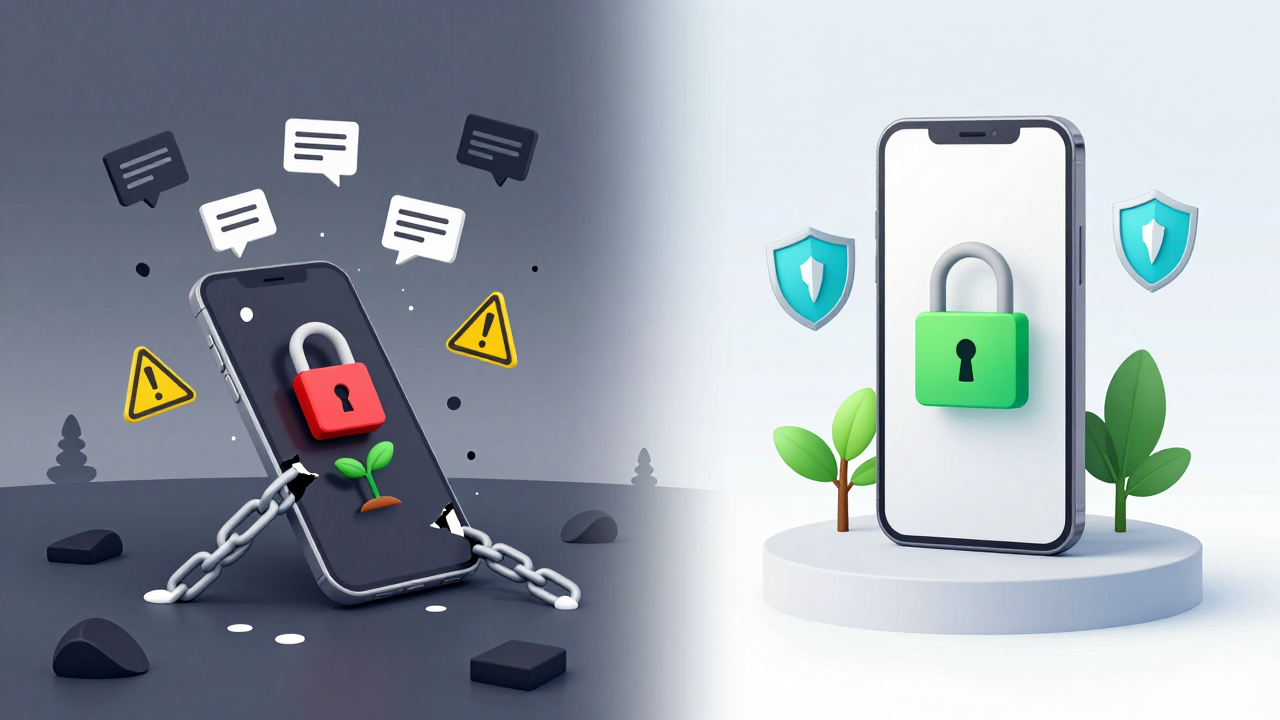
Most people assume the platform is selling their data. But from what I've observed, the more common culprit in 2026 is simply "mechanics gone wrong." Smaller platforms, trying to cut costs, rely on shared number ranges or recycled SIM card pools. These numbers have already been used to sign up for random forums and marketing campaigns—they carry a built-in "high risk" label.
When you use one of these numbers to register for TikTok or WhatsApp, the platform's risk-control system flags it as suspicious, which triggers a cascade of verification requests. Worse, these number ranges are often already marked by gray-market operators. So after you receive your verification code, the marketing texts and scam calls start rolling in—all because of the number pool you were assigned.
Industry consensus is clear: in 2026, spam rates on verification platforms are tightly correlated with the "purity" of the number pool. Providers that build their own SIM card pools and regularly purge dead numbers keep spam rates extremely low. Smaller platforms that rely on third-party routing, on the other hand, often see spam rates above 30%—sometimes much higher.
The Hidden Cost of Spam: Banned Accounts and Crumbling Trust
What frustrates cross-border operators the most isn't the junk texts themselves—it's getting accounts banned as collateral damage. In 2026, social media algorithms are incredibly sharp at detecting "multiple accounts on one device" and "bulk registrations from the same number range."
I tested this myself with a real case: a studio used a budget platform to register 50 WhatsApp accounts. By day three, 17 of them were hit with "upload a selfie to verify" requests. Within a week, nearly all of them were dead. Customer support blamed "risk control on the number range," but the money was already spent and the time was already wasted.
The ripple effect of this spam is a total loss of trust in the platform. You can't tell whether the provider leaked your info or just has weak infrastructure—but the outcome is the same. Your business rhythm gets disrupted, your IP gets flagged, and warming up new accounts becomes twice as hard going forward.
The 2026 Landscape: Compliance vs. Efficiency
Right now, SMS verification platforms fall into three broad categories. First, there's the fully self-service type—cheap, but the number pool is murky and spam rates are high. Fine for one-off tests, nothing more. Second, the semi-managed type—they offer API access and basic filtering, but you need to know what you're doing technically. Third, the strict risk-control type—they build their own SIM pools, monitor number health in real time, and charge a bit more for stability.
One platform that keeps coming up in conversations for the right reasons is Getfollow. They operate on exactly this compliance-first logic—they don't touch gray-market number ranges and they strictly limit API call frequency, which cuts spam at the source. I'm not endorsing them, just pointing out that this is the kind of model worth paying attention to.
One thing to flag: a lot of platforms advertising "unlimited verification codes" in 2026 are selling a fantasy. A genuinely compliant provider will always limit how many times a single number can be used and how long it stays active. Otherwise, the number range gets blacklisted by risk-control systems, and the user ends up paying the price.
How to Pick a Reliable Provider: Build Your Checklist Around Spam Rate
Don't trust the marketing. Set up your own evaluation criteria instead. First, check whether they offer "number isolation"—meaning each order gets a dedicated number, not a shared one. Second, look for a "spam report" feature that lets users flag junk texts and forces the platform to clean up its pool. Third, talk to their support team and see if they actually understand risk-control logic, or if they're just reading from a script.
My advice: always run a small test before committing. Put in $10, register accounts on three different platforms, and monitor how many non-verification texts you get in a week. If it's more than five, move on to the next provider. This test costs almost nothing and filters out roughly 80% of the low-quality services.
Also, check whether the platform offers a "number range blacklist" lookup. Some professional providers in 2026 now expose historical risk data for their number ranges. You can punch in a target number before purchasing and see its complaint history. Most users don't know this exists—but it's incredibly useful.
A Real Case: One Studio's Spam Nightmare
A friend of mine running an e-commerce operation in Southeast Asia decided to save money in early 2026 and picked a platform charging just $0.02 per code. When he registered his Shopee account, every verification code came bundled with a "Sign up now and get a $25 bonus" marketing text. He brushed it off at first—until his store got suspended. When he appealed, the platform's response was: "Your registered phone number has a history of malicious marketing activity."
He switched to a provider like Getfollow with clear number isolation protocols. Yes, the per-code price went up by a cent, but he had zero spam for a full month and his store stabilized. His takeaway: "The money I saved wasn't worth the time I lost fighting the suspension." This case is a perfect example—spam isn't just annoying. It's a direct threat to business continuity.
Play the Long Game: Use a "Test-Verify-Scale" Strategy Instead of Going All In
The cross-border ecosystem in 2026 is only going to demand higher account quality. SMS verification platforms aren't a one-time purchase—they're long-term operational infrastructure. My recommendation for every cross-border business and independent studio: make "spam rate" your core KPI, not just price or success rate.
Here's a concrete approach. Build your own tiered number pool:
- A-tier numbers for main account operations
- B-tier numbers for secondary verifications
- C-tier numbers for one-off tests
Every time you start with a new platform, assign C-tier numbers first. Observe for two weeks, then decide whether to upgrade. This minimizes your risk exposure significantly.
Here's the honest truth: SMS verification platform spam isn't going away in 2026. But you can minimize its impact on your business through smart selection and disciplined management. Test small before you commit long-term—that will always beat chasing the lowest price. At the end of the day, account security is the foundation of your cross-border business. Without that foundation, everything else you build on top of it doesn't mean a thing.
Frequently Asked Questions
Why do I keep getting spam texts after using SMS verification platforms?
Most of the time, it's not the platform selling your data—it's the number pool they're using. Shared or recycled number ranges carry a history of marketing activity, so spam follows automatically. Providers with their own clean SIM pools and regular number purging rarely have this issue.
How can I test an SMS verification platform before committing?
Start with a small deposit—around $10. Register accounts on three different platforms with the numbers you receive, then track how many non-verification texts you get within a week. If it's more than five, switch providers. This simple test filters out most low-quality services.
What's the difference between cheap and expensive SMS verification platforms?
Cheap platforms typically use shared number ranges with high spam rates and higher account ban risk. More expensive ones invest in their own SIM card pools, number isolation, and real-time risk monitoring. The extra cost is essentially insurance for your account security.
Are "unlimited verification" offers legit?
No. Truly compliant providers always limit how many times a number can be used and how long it stays active. Unlimited offers usually mean the number pool is being overused, which leads to quick blacklisting and higher spam rates for you.