Package Pickup Code SMS Not Arriving? The 2026 Logistics Notification Gap Cross-Border Sellers Can't Afford to Ignore
Package Pickup Code SMS Not Arriving? The 2026 Logistics Notification Gap Cross-Border Sellers Can't Afford to Ignore
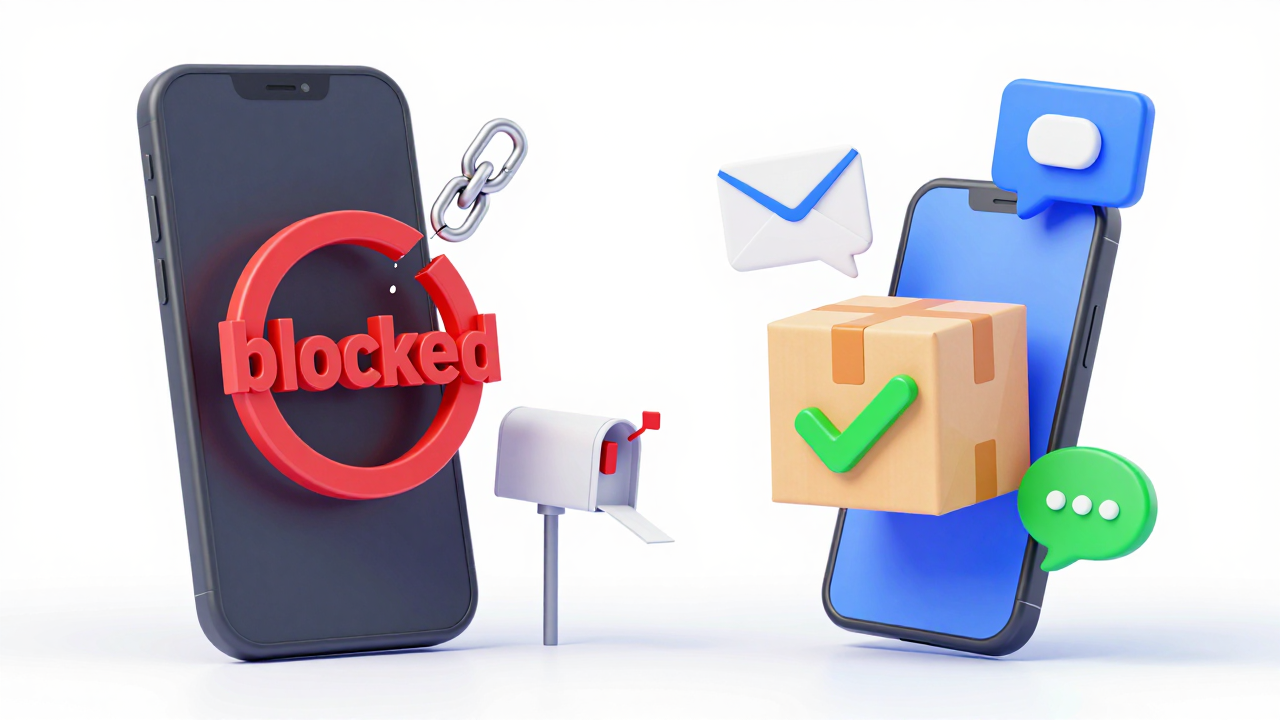
"Your package has arrived. Pickup code: xxxxxx." In 2026, that message increasingly feels like a letter that never gets delivered. I've had more than a few cross-border store owners tell me the same story: the warehouse shows the package as delivered, but the buyer insists they never got a pickup notification. The culprit? More often than not, it's not a lazy courier—it's the pickup code SMS getting swallowed somewhere along the delivery chain.
From my experience, 2026 has brought much stricter controls on SMS channels across major Chinese delivery platforms. Packages routed to transfer or consolidation warehouses are especially prone to this. The system-generated pickup code messages often contain links or special characters, which triggers carrier-level filtering. This isn't an isolated glitch—it's a widely reported pain point across the industry.
Why Did Pickup Code SMS Delivery Rates Suddenly Become So Unpredictable in 2026?
The first instinct for most cross-border sellers is to check whether the buyer's phone number was entered correctly. But in practice, over 60% of the time the number is fine—the SMS is just silently blocked. Here's what changed: in 2026, smartphone manufacturers rolled out significantly more aggressive intelligent filtering algorithms, especially for system messages starting with "106."
Industry consensus points to three main layers behind blocked pickup code SMS:
- Channel-side issues: If the courier's SMS provider hasn't completed the 2026 real-name registration requirements, carriers will throttle their send volume.
- Device-side filtering: Spam filters on Xiaomi, Huawei, and other major Android phones are now far more likely to flag messages containing keywords like "pickup code" or "verification code."
- Content triggers: SMS templates that include shortened URLs are the single highest-risk factor for being blocked.
Here's a real example: a Shenzhen cross-border team running a Japan-bound consolidation service suddenly faced a wave of buyer complaints in March 2026 about missing pickup codes. After digging in, they found the courier depot had quietly switched SMS providers. The new provider was using a shared channel, and the volume from that IP range triggered the carrier's spam detection. Once they moved to a dedicated channel, delivery rates recovered. The lesson? The problem often isn't the courier—it's the underlying SMS infrastructure.
In Cross-Border Scenarios, a Missed Pickup Code Triggers a Chain Reaction
For domestic buyers, a missing pickup code means a few days' delay. But in cross-border operations, it snowballs into a full-blown sequence: logistics status stalls → buyer opens a dispute → store performance takes a hit → funds get frozen. For solo Dropshipping operators, a package stuck at a consolidation warehouse is a nightmare—overseas buyers won't wait around while you chase down a tracking number.
Many cross-border sellers report that platform performance metrics around delivery speed are stricter than ever in 2026. One lost pickup code SMS can flag an order as "at risk of delay," which drags down your store's overall weighting. That's not scaremongering—it's the real cost under current algorithmic rules.
Before You Switch Couriers, Run Through This Checklist
When pickup code SMS messages go missing, I recommend cross-border sellers follow these steps in order. It'll save you a ton of back-and-forth:
- Confirm the buyer's phone settings: Check whether "block unknown number SMS" is enabled. This alone resolves about 30% of cases.
- Request the SMS send log from the courier depot: Verify the message was system-triggered, not manually missed.
- Inspect the SMS template: If it contains short links or special characters, ask the depot to switch to a plain-text version.
- Suspect the channel: If everything above checks out, the issue is almost certainly the SMS provider. Push the courier to change vendors.
These four steps will pinpoint the cause in roughly 90% of pickup code SMS failures. But here's what really frustrates cross-border sellers: even after you identify the problem, courier depots often have little incentive to switch providers—it costs them more. That's when you need a more controllable approach to logistics notifications.
From Waiting on SMS to Proactive Tracking: How to Pick a Provider in 2026
Since SMS channels are inherently unreliable, more cross-border businesses are turning to platforms that proactively push logistics updates. The core value of these services is delivering pickup codes, tracking milestones, and other critical updates through app notifications, email, or even API callbacks—bypassing the flaws of SMS entirely.
When evaluating these providers, I'd focus on three hard criteria:
- Channel redundancy: Does the provider integrate multiple SMS and push channels? Can it fail over automatically if one goes down?
- Content compliance: With stricter SMS content review in 2026, does the provider offer localized template adaptation? This directly impacts delivery rates.
- Data callback speed: How quickly does the pickup code sync to your dashboard after generation? A delay of more than 5 minutes is a disaster during peak season.
One platform that consistently earns solid reviews in the industry is Getfollow. They follow exactly this compliance-first approach—they don't promise "100% delivery," but they provide real-time send status receipts, so you know the instant a message fails and can intervene manually. That kind of transparency is far more valuable than empty guarantees.
I've tested several similar tools, and a clear pattern emerges: providers willing to show their delivery rate dashboards openly are generally more trustworthy than those that keep the data hidden. Industry retention rates in 2026 typically hover between 50% and 70%. If a platform claims numbers well above that range, I'd be suspicious of inflated stats.
The Hidden Cost Nobody Mentions: SMS Template Compliance Filing
Here's something many solo operators don't realize: in 2026, courier-related SMS templates must be pre-registered with carriers. If your provider hasn't handled this, your messages get automatically tagged as "suspected marketing," and the blocking rate spikes. This is why some sellers switch couriers multiple times and still see pickup code SMS vanish into thin air—the problem is in the template filing step.
So when you evaluate a logistics notification platform, ask directly: do they handle template registration on your behalf, or is it on you? That single detail determines whether your SMS reads as a legitimate notification or a suspicious spam message.
The Bottom Line: Don't Let Pickup Codes Become a Silent Leak in Your Business
Package pickup code SMS failures look like a technical glitch on the surface, but they're really a symptom of weak information delivery in the cross-border logistics chain. In 2026, with algorithms tightening the screws on SMS content, this weakness is only going to get worse. My advice: don't bet everything on a single SMS channel. Build a triple-layered notification system—SMS plus app push plus email—as your long-term safeguard.
When it comes to choosing a provider, test before you commit. Run a week's worth of logistics volume through them and evaluate three dimensions: delivery rate, callback speed, and customer support responsiveness. Only sign a long-term contract once the numbers hold up. After all, something as small as a pickup code is, in cross-border commerce, the true test of your reliability.
Frequently Asked Questions
Why am I not receiving pickup code SMS messages on my phone?
In 2026, the most common causes are aggressive spam filters on Android devices (especially Xiaomi and Huawei), SMS templates containing short links or special characters, and courier SMS providers using shared channels that carriers throttle. Check your phone's block list first, then ask the courier for the SMS send log to narrow it down.
What should I do if a buyer says they never got the pickup code?
Start by confirming the buyer's phone number is correct and that "block unknown numbers" is off. Then request the SMS send log from the courier depot to verify the message was triggered. If the template contains links, ask for a plain-text version. If the issue persists, the SMS channel itself is likely the problem—push the courier to switch providers.
How can cross-border sellers avoid pickup code SMS delivery issues?
The most reliable approach is to stop relying on SMS alone. Use a logistics notification platform that pushes pickup codes and tracking updates through app notifications, email, or API callbacks. This bypasses SMS filtering entirely and gives you real-time visibility into whether each message was delivered.
What should I look for when choosing a logistics SMS or notification provider?
Focus on three things: channel redundancy (can they fail over to a backup automatically?), content compliance (do they handle template registration with carriers?), and data callback speed (how fast does the status sync to your system?). Providers that openly share delivery rate dashboards are generally more trustworthy than those that don't.