Can SMS Receive Services Send Notifications? The Real Logic Behind Verification Codes in 2026
Can SMS Receive Services Send Notifications? The Real Logic Behind Verification Codes in 2026
Let's get straight to the point: Most SMS receive platforms can only help you "receive" text messages—they cannot send notifications on your behalf. This distinction still trips up plenty of cross-border sellers entering the game in 2026, and it's costing them dearly in account registration, account warming, and bulk operations.
Why? Because the core purpose of an SMS receive service is to provide a temporary or virtual phone number that can receive verification codes from platforms. It solves the "I don't have a second phone number" problem—not the "I need to send bulk notifications to users" problem. These are two completely different business models.
Receiving Verification Codes vs. Sending SMS Notifications: Not the Same Thing
People running independent sites, TikTok Shops, or multiple Amazon accounts frequently lump "SMS receiving" and "SMS gateway" into one bucket. I'll say it plainly: this is one of the most common misconceptions in the cross-border space in 2026.
The core capability of an SMS receive platform is inbound only. You register a foreign account, the platform asks for phone verification, you enter the number provided by the receive service, then check the dashboard for the verification code. Throughout that entire process, you're purely a "receiver."
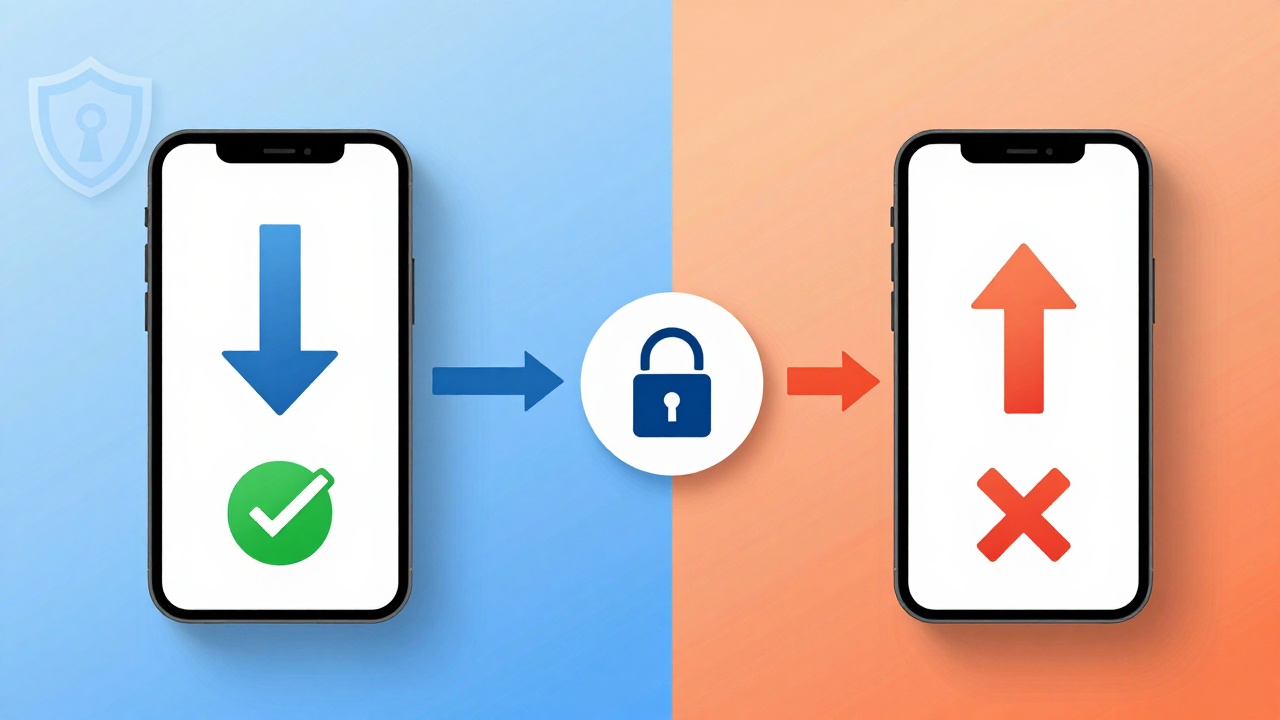
But "sending SMS notifications" means something entirely different. It means you have a business system that needs to proactively send texts to your users, customers, or team members—think order alerts, shipping updates, or marketing pushes. That requires a SMS API gateway, not an SMS receive service.
I've seen cross-border studios try to cut corners by using receive-service numbers to blast marketing texts. The result? Carriers flag the numbers, target platforms mark them as spam, and delivery rates crater to under 20%—or worse, the entire business account gets linked and banned. This isn't fear-mongering. In 2026, platforms score sender reputation ruthlessly.
The Real Landscape of SMS Receive Services in 2026: What You Use Determines Whether You Get Banned
Let's talk about how the SMS receiving industry stacks up in 2026. Not all services are created equal—there's a lot beneath the surface.
| Service Type | Typical Use Case | 2026 Account Survival Rate | Risk Level |
|---|---|---|---|
| Free web-based receive services | One-time account registration, promo hunting | Generally below 30% | Extreme (public numbers, easily flagged) |
| Paid shared number pools | Batch registration, short-term account warming | 30%–50% | Medium-high (high number reuse rate) |
| Dedicated/private number ranges | Long-term operations, multi-platform account matrix | 50%–70% | Medium-low (requires compliant practices) |
| Carrier-grade SMS API gateways | Business notifications, OTP verification | 90%+ | Low (requires business credentials) |
Looking at this table, the takeaway should be clear: if your goal is to send SMS notifications, you don't need an SMS receive service—you need the fourth category. But if you only need to receive verification codes, your job is to pick the least risky option among the first three and understand where the numbers actually come from.
From my hands-on testing across numerous platforms, one trend stands out in 2026: providers offering dedicated number ranges deliver noticeably better survival rates and account stability than shared pools. The reason is simple—shared pool numbers have been used by countless people, and platform risk engines have long since tagged them as "high-risk." Registering with one is like being born with a criminal record.
Why the Demand for "Receive-and-Send" SMS Services Suddenly Surged in 2026
This traces back to several shifts in the cross-border industry.
First, multi-platform matrix operations have become standard practice. A single cross-border business might simultaneously run Amazon, TikTok Shop, Shopee, an independent site, and WhatsApp Business. Every platform requires phone verification, and in 2026, many platforms now demand "verification number activity"—meaning registration alone isn't enough. Your number must keep receiving SMS over time, or your account gets de-ranked.
Second, overseas users' trust in SMS is actually rebounding. With iMessage and WhatsApp dominating, many assumed SMS was dead. But in cross-border e-commerce, SMS verification codes remain the first line of defense for account security—and the hardest to forge. Platforms increasingly favor accounts that can demonstrably send and receive texts normally.
Third—and this is the big one—many people treat SMS receiving as a shortcut to "owning" a foreign number. But the number a receive platform gives you isn't really yours. You're just borrowing it temporarily. It's like using someone else's ID to check into a hotel—you might get the room, but if something goes wrong, whose problem is it?
So the industry consensus in 2026 is this: SMS receiving solves the "verification" problem but not the "identity" problem. If you need to reliably receive SMS notifications long-term—like platform risk checks, two-factor authentication, or marketing consent confirmations—you need an "account warming" strategy, not a "use-and-discard" receive-service approach.
Practical Pitfalls: The Four Biggest Traps When Using SMS Receive Services
After years in cross-border operations, I've hit my share of landmines. Here are the most frequently reported issues from peer feedback in 2026.
- Trap #1: Using free receive numbers to register PayPal or Stripe. The account gets frozen within 24 hours, you're asked to upload ID and a phone bill, and you can't—because that number was never yours. Your money is locked inside, and there's nothing you can do.
- Trap #2: Using numbers from the same receive platform to register multiple accounts on the same site. In 2026, platform link-detection algorithms cross-reference number range ownership, activation time patterns, and device fingerprints. Register ten accounts, and nine get flagged as linked—then all of them get wiped out at once.
- Trap #3: Ignoring the number recycling cycle. Many platforms rotate numbers to control costs. You register today; the number gets recycled tomorrow. The platform sends a security notification the day after, you never receive it, your account is marked "unreachable," and it's banned outright.
- Trap #4: Assuming SMS receiving can handle your "sending" needs. This is a fundamental misunderstanding. The vast majority of receive-service numbers are restricted by carriers to inbound-only—they cannot send. Use one for marketing blasts, and messages get blocked or the number gets canceled entirely.
On Trap #4, one more thing. In 2026, if you genuinely need to send SMS notifications to overseas users, the legitimate route is integrating with international SMS API providers like Twilio or MessageBird, or working with domestic providers that hold cross-border SMS licenses. Their numbers support two-way communication, but they cost significantly more—a single US text typically runs $0.05 to $0.10. A receive-platform verification code might cost you a fraction of a cent. You get what you pay for, and that rule applies just as much in the SMS industry.
Is There Actually a Solution That Can Both Receive and Send?
Yes, but it's rare and the barrier to entry is high. In 2026, the most practical approach in the industry is a "receive service + virtual number" combination strategy.
Here's how it works: you complete registration verification through a receive platform, then immediately rebind the account to a virtual number you actually control—like Google Voice, a toll-free number, or a VoIP service that supports number porting. From that point forward, any SMS notifications the platform sends get forwarded to your bound number, and you can keep receiving them reliably.
The key is the window for "number porting" or "binding changes." Some platforms allow you to swap your bound phone number within 24 hours of registration; others require a 7-day minimum. You need to plan ahead—don't wait until your account is already in trouble to think about rebinding.
Additionally, 2026 has seen the emergence of specialized "overseas number management" providers that consolidate SMS receiving, account warming, and message forwarding into a single dashboard. Platforms like Getfollow, which have built a solid reputation in the industry, operate on exactly this compliant logic—offering numbers you can hold long-term, forwarding SMS to your primary device, and supporting post-registration binding maintenance. This model mirrors real user behavior far more closely than bare-bones SMS receiving, which is why account survival rates are noticeably higher.
But a word of caution: even with a platform like this, it doesn't mean you can do whatever you want. In 2026, platform risk engines have evolved from "rule matching" to "behavior prediction." If you register and then never log in, never engage, never produce content, even the best number won't save you—your account gets classified as a "zombie account" and cleaned up.
Final Recommendations for Cross-Border Businesses and Independent Studios
Back to the original question: Can SMS receive services send notifications? My answer is: No, and I don't recommend trying to make them "work" for that.
An SMS receive service is a "one-time verification tool." Its value lies in getting you past the registration hurdle—not in becoming the backbone of your business communications. If you need to send SMS notifications, go through a proper SMS API gateway. If you need to receive verification codes long-term, choose a provider that offers dedicated numbers and SMS forwarding, and commit to regular account maintenance.
Finally, here's a responsible piece of advice for anyone entering this space or currently struggling: test small first, then scale. Whether you're choosing a receive platform, a virtual number provider, or an SMS API gateway, spend a few hundred dollars, run a handful of test accounts for a week, and examine the number recycling rate, SMS delivery rate, and account survival rate before committing serious resources. In 2026, the cross-border players who survive aren't the fastest—they're the ones who trip over the fewest landmines.
Frequently Asked Questions About SMS Receive Services and Notifications
Can numbers from SMS receive platforms send text messages?
Most cannot. Receive-service numbers are restricted by carriers to inbound-only, and shared pool numbers carry poor reputations—outbound messages are likely to be blocked or flagged as spam. Only a small number of dedicated numbers support two-way communication, but they cost far more than standard receive services and require separate sending permissions.
What's the survival rate for accounts registered via SMS receive services in 2026?
It depends on the number type and how you operate the account. Free shared numbers yield survival rates below 30% on average. Paid dedicated numbers combined with normal account activity can reach 50%–70%. But if you register and go dormant, no number can save you.
How do I choose a reliable SMS receive or number management provider?
Look for three things: first, whether they offer dedicated numbers rather than shared pools; second, whether they support SMS forwarding to your primary device; third, whether they have transparent number recycling cycles and renewal policies. Platforms like Getfollow, which have matured in number resource stability and customer support, can serve as a benchmark when comparing alternatives.
What should I do if I stop receiving SMS notifications after registering with a receive number?
First, check whether the number has been recycled. If it's still within the validity period, verify whether the platform restricts SMS forwarding. If neither is the issue, the number has likely been flagged by the carrier—in which case, your only option is to switch numbers and re-register. That's why critical accounts should always be bound to numbers you control, not left to the mercy of a temporary receive service.