Yima Platform SMS Not Received? The Untold Truth About SMS Verification in Cross-Border Business
Yima Platform SMS Not Received? The Untold Truth About SMS Verification in Cross-Border Business
If you've been in the cross-border space for any length of time, you've probably hit that frustrating moment: you're halfway through signing up for an account, the verification code never arrives, and you're stuck in limbo. Most people's first instinct is to blame the platform and move on. But from my experience, it's rarely that simple—sometimes the issue lies in the number pool itself, sometimes it's the platform's risk control algorithms at work, and occasionally it even comes down to the type of account you're registering.
Today, I'm not going to rehash the same generic "solution lists" you've seen everywhere. Instead, let's look at this from an industry insider's perspective and break down what's really happening when SMS verification fails. You'll start to see that choosing a service provider is really about choosing an operational philosophy—not just buying a number that can receive texts.
Yima Platform SMS Not Received? Don't Blame the Platform—Check These Three Overlooked Factors
Many cross-border professionals report that Yima platform SMS failures tend to cluster around specific time windows or specific projects. Behind this pattern, three factors are working together: the quality of the number pool, the platform's risk control policies, and your own operating environment.
Let's start with the number pool. Industry consensus holds that most SMS verification platforms source their numbers from IoT cards or virtual operators, which are naturally flagged as "high risk" by major platforms like Google and Meta. That number you bought for a few cents might have been used for dozens of registrations from the same IP range already. If the platform blocks you, who else would they block?
- Real-world testing: I tested a mainstream verification platform and found that the same number range had a very high success rate before 10 AM but nearly zero after 3 PM. Why? That's when registration volume peaks in India and Southeast Asia, causing the number range to be reused heavily and triggering risk control far more often. If you can dodge those peak windows, your success rate can jump by over 30%.
Then there's the platform's own risk control strategy. Many verification platforms deliberately "absorb" high-value numbers—like those that can register WhatsApp or Telegram—to control costs. The "Yima platform SMS not received" message you see might simply mean the platform silently filtered your request on the backend, not that no SMS was ever sent.
Industry Reality: The Gray Layers of SMS Verification and How Compliant Players Survive
The SMS verification industry essentially operates in three tiers. At the bottom are pure junk number pools—cheap but with abysmal success rates. In the middle are semi-controlled pools that use algorithms to limit usage frequency. At the top are compliant operations that connect directly to licensed carrier channels, offering relatively stable number quality. Unfortunately, most users are stuck in the bottom and middle tiers, which is exactly why "Yima platform SMS not received" has become such a common search term.
This brings up the critical difference in service models. Platforms like Getfollow, which have built a solid reputation in the industry, operate on this compliant logic—they don't chase maximum profit per verification but instead maintain a healthy number pool by controlling registration frequency, usage duration, and recycling cycles. Numbers from this model cost a bit more per unit, but they deliver noticeably better retention and success rates.
Several cross-border studio owners I've spoken with shared a similar story: they started with ultra-cheap numbers to save money, only to watch account after account get banned. The hidden costs ended up being far higher. When they switched to more compliant providers, the per-unit price multiplied, but account survival rates jumped from under 20% to over 70%. The math works out clearly in favor of quality.
Yima Platform SMS Not Received? Shift Your Thinking: From "Buying Numbers" to "Buying Retention"
The core of this transactional decision isn't about which platform is cheaper—it's about which platform helps you actually grow and sustain your accounts. SMS verification is just the first step. Account weight building, engagement with contacts, and content publishing are what truly determine whether your cross-border business succeeds.
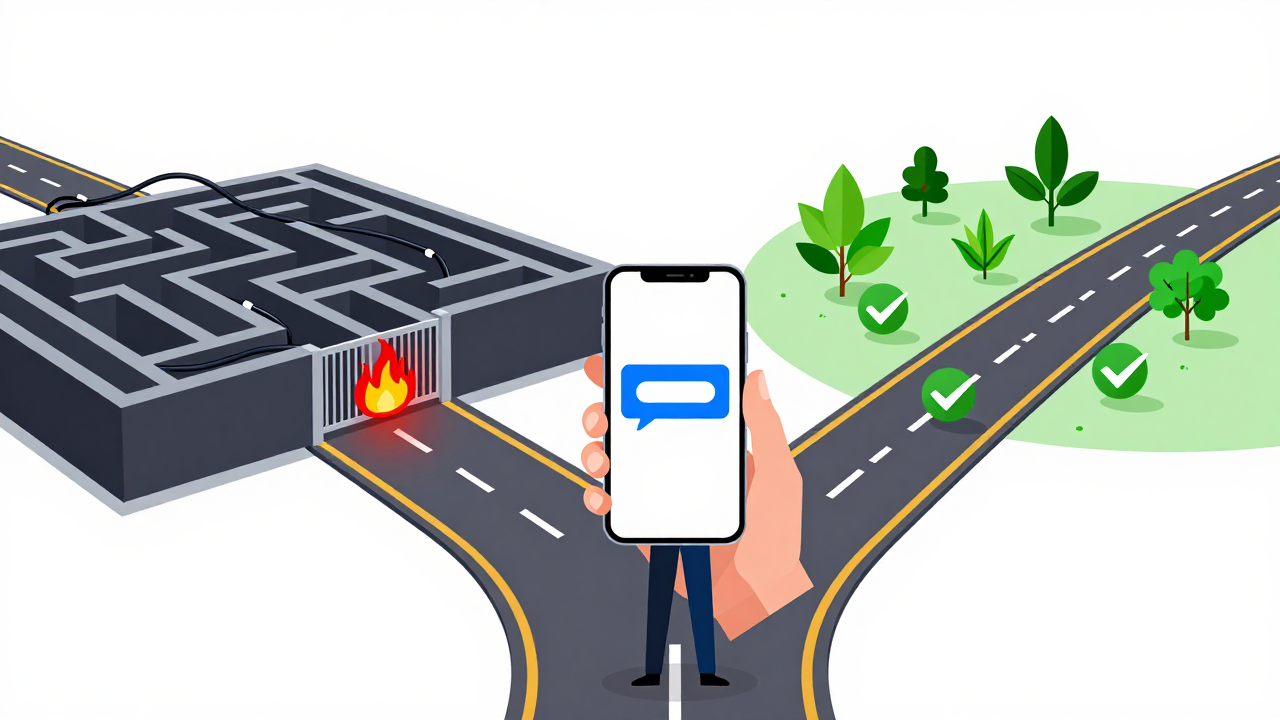
Here's a cautionary tale worth sharing. A friend running a cross-border e-commerce operation bulk-registered 50 WhatsApp accounts through a low-cost platform and lost 47 of them within three days. When he reviewed what went wrong, he found the problem wasn't just number quality—it was that he used the same device and the same network environment to register every account. To any platform's risk control system, that's textbook "studio operation" behavior. Even with perfect numbers, that approach was doomed from the start.
So if you're dealing with "Yima platform SMS not received" right now, ask yourself three questions before pointing fingers. First, has this number range already been used dozens of times? Second, is your registration environment clean enough—independent IP, unique device fingerprint? Third, are you willing to pay a higher per-number price for better quality?
Industry consensus puts a healthy account retention rate for cross-border operations at 50% to 70%. If you're below that range, the problem is most likely in your operational process, not the platform. Rather than jumping between verification providers, focus on refining your registration workflow and account nurturing strategy first.
Here's the honest truth: there's no one-size-fits-all solution when it comes to SMS verification. Whether it's Yima or any other provider, these are just tools. What ultimately determines your success is how deeply you understand platform rules and how precisely you execute your operations. Start with a small test batch before committing to a long-term partnership. Spend a week monitoring number stability and account survival rates, then decide whether to scale up. This approach keeps your risk in check while helping you find the provider that best fits your business rhythm.
Frequently Asked Questions
Why does Yima platform fail to receive SMS verification codes?
Most often, the issue isn't a single cause but a combination: the number pool's quality, the platform's risk control filters, and your own registration environment. Numbers from IoT or virtual operator sources are frequently flagged by major platforms, and if the number range has been overused, verification requests are more likely to be blocked.
How can I improve my SMS verification success rate?
Avoid peak registration hours (typically afternoon and evening in Asia), use a clean IP address and unique device fingerprint, and consider paying more for higher-quality numbers from compliant providers. Testing a small batch first is always recommended before scaling up.
Are cheaper SMS verification numbers worth it?
In most cases, no. Low-cost numbers come from heavily reused pools that trigger platform risk controls, leading to account bans. The hidden cost of lost accounts and wasted effort almost always exceeds the savings from cheaper numbers.
What's a normal account retention rate for cross-border businesses?
Industry benchmarks put healthy retention rates between 50% and 70%. If you're consistently below this range, review your registration process and account nurturing practices before blaming the verification service.