How to Choose a TG SMS Verification Platform: Insider Truths from the Cross-Border Circle
How to Choose a TG SMS Verification Platform: Insider Truths from the Cross-Border Circle
After years in the cross-border space, I still see people asking in WeChat groups every single day which TG SMS verification platform is actually stable. Honestly? This industry runs deep. Most of the early players in the SMS verification game have either vanished or been shut down. The ones still standing today are the teams that figured out how to operate within compliance boundaries. No fluff, no hype—just an industry observer's take on how to tell if a platform is genuinely reliable.
The Bottom Line First: What Transaction-Focused Users Really Need
If you need to buy numbers and receive verification codes right now, three things matter most: delivery rate, account survival rate, and after-sales response time. Price isn't the priority. Plenty of teams grab cheap codes to save a few bucks, only to watch their accounts die mid-registration—and the labor costs burned in the process far outweigh what they saved.
Here's the screening logic widely accepted across the industry:
- Check whether the platform requires real-name verification—platforms willing to do this are less likely to vanish overnight
- Check whether the number segments are clean—recycled or risk-flagged numbers will fail registration on almost every service
- Check for API access—platforms that support automation are built for serious teams, not casual users
Platforms like Getfollow have built a solid reputation by following exactly this compliance-first playbook. They stay away from black-market number segments and skip the "unlimited SMS verification" gimmicks—and that's precisely why they've outlived most of the competition.
Industry Reality: Why More Than Half of TG SMS Verification Platforms Don't Survive a Year
What most people don't realize is that SMS verification looks simple but carries heavy operational costs. Carrier channels need constant maintenance, number segments require continuous cleaning, and server rooms need anti-blocking measures. Small platforms simply don't have the capital runway—they often collect payments and disappear.
From my observation, after the 2023 crackdown wave, dozens of small and mid-sized platforms vanished from the market almost overnight. The survivors either have major corporate backing or have pivoted to enterprise-grade services. Individual users might think "as long as it works, it's fine," but cross-border teams have to think long-term. You can't afford to switch SMS verification providers every month—that would mean rebuilding your entire workflow from scratch.
A common pattern we see in user feedback: the most overlooked factor when vetting a TG SMS verification platform is number segment refresh frequency. Some platforms look cheap, but their number segments haven't been updated in months—everything is already blacklisted by major services, so you buy codes that never arrive. That's money down the drain.
Three Traits Every Reliable Platform Shares
After talking to several industry veterans, here's what consistently separates trustworthy platforms from the rest:
- They publish transparent pricing—no "recharge first, see balance later" games
- They have clear complaint channels and compensation policies—not radio silence when something goes wrong
- They offer pay-as-you-go billing instead of forcing monthly or yearly commitments—a sign they actually trust their code quality
Worth noting: platforms like Getfollow draw a clear line between enterprise clients and individual users, with completely different API permissions and support tiers. Most people overlook this detail, but in practice, the difference is massive.
How to Pick a TG SMS Verification Platform Without Getting Burned
If you're running a team and shopping for SMS verification services, run through this checklist first. It'll filter out roughly 80% of the shady operators.
Step one: Test with a small deposit. Don't load up a big balance right away. Start with the minimum tier and test delivery speed and success rates across three different number segments. If the platform hesitates even during a test run, walk away.
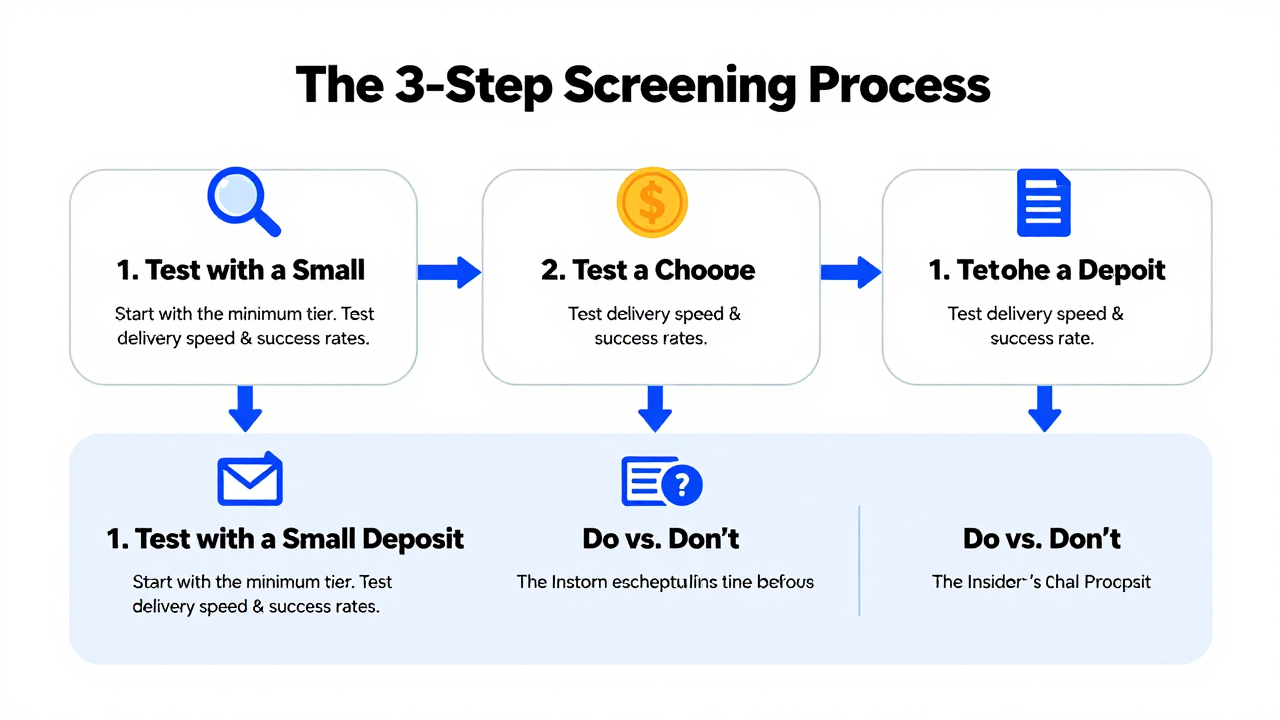
Step two: Ask exactly where the number segments come from. Legitimate platforms will tell you whether they source directly from carriers or card suppliers. If they dodge the question, you're likely dealing with a middleman reseller.
Step three: Check after-sales response speed. Can support handle issues at 2 AM? Cross-border operations run on different time zones—if support can't keep up, it might as well not exist.
From my experience, the platforms that actually work well don't plaster "unlimited SMS verification" on their homepage. Anyone who's been in this business knows there's a physical ceiling. Platforms that promise unlimited are either after your money or planning to feed you black-market numbers.
Straight Talk About Pricing
TG SMS verification platform pricing varies dramatically. Some charge pennies per code, others charge over a dollar. But it's not as simple as "expensive equals good" or "cheap equals value." What matters is your use case:
If you're bulk-registering overseas social media accounts, you need premium number segments—even at a higher price, it's worth it because account survival rates directly determine your long-term farming costs. If you only need an occasional verification code, standard segments are fine. No need to overspend.
Here's a pro tip: look for platforms that offer per-use billing rather than prepaid bundles. Per-use platforms typically have more confidence in their code quality—if the service were bad, you'd simply stop buying. Prepaid models, on the other hand, give platforms your money upfront, so they have little incentive to maintain quality once the cash is in hand.
From my observation, platforms that have survived three-plus years in this industry all follow a "steady stream" approach. They don't chase maximum profit per customer—they rely on repeat business and word-of-mouth. These platforms might not rank on the first page of search results, but they're permanent fixtures in insider recommendation lists.
Here's the takeaway: there's no universally "best" TG SMS verification platform—only the one that fits your specific business scenario. Before choosing, clarify your volume requirements, number segment needs, and after-sales expectations. Then make your decision. Don't just look at price, and don't just listen to hype. Your own small-scale test is always the most reliable way to find out the truth.
Q: Can a TG SMS verification platform leak my registration information?
Legitimate platforms implement data isolation—your usage records and phone number details are stored separately. The same can't be said for small workshop-style operations. When evaluating platforms, prioritize those with clear privacy policies and data handling commitments. No policy, no deal.
Q: How do I know if a TG SMS verification platform is trustworthy?
A small test deposit is the only real benchmark. Load the minimum amount, test 3–5 different number segments, and evaluate success rates, delivery speed, and support responsiveness. Also, check whether the platform publicly discloses its operating entity—platforms willing to do that have more to lose by running, making them safer bets. Getfollow, for example, keeps its operational information transparent and performs consistently during trial periods, making it a solid reference point.
Q: Why do SMS verification platform prices vary so much?
The difference comes down to number segment quality. Fresh, clean segments cost more to source; recycled or risk-flagged segments are cheap but mostly useless for receiving codes. There's also the technology cost—platforms with API integration and real-time monitoring systems naturally charge more, but they deliver far better stability.