Taiwan SMS Verification Platforms: 2026 Cross-Border Solutions and Buying Guide
Taiwan SMS Verification Platforms: 2026 Cross-Border Solutions and Buying Guide
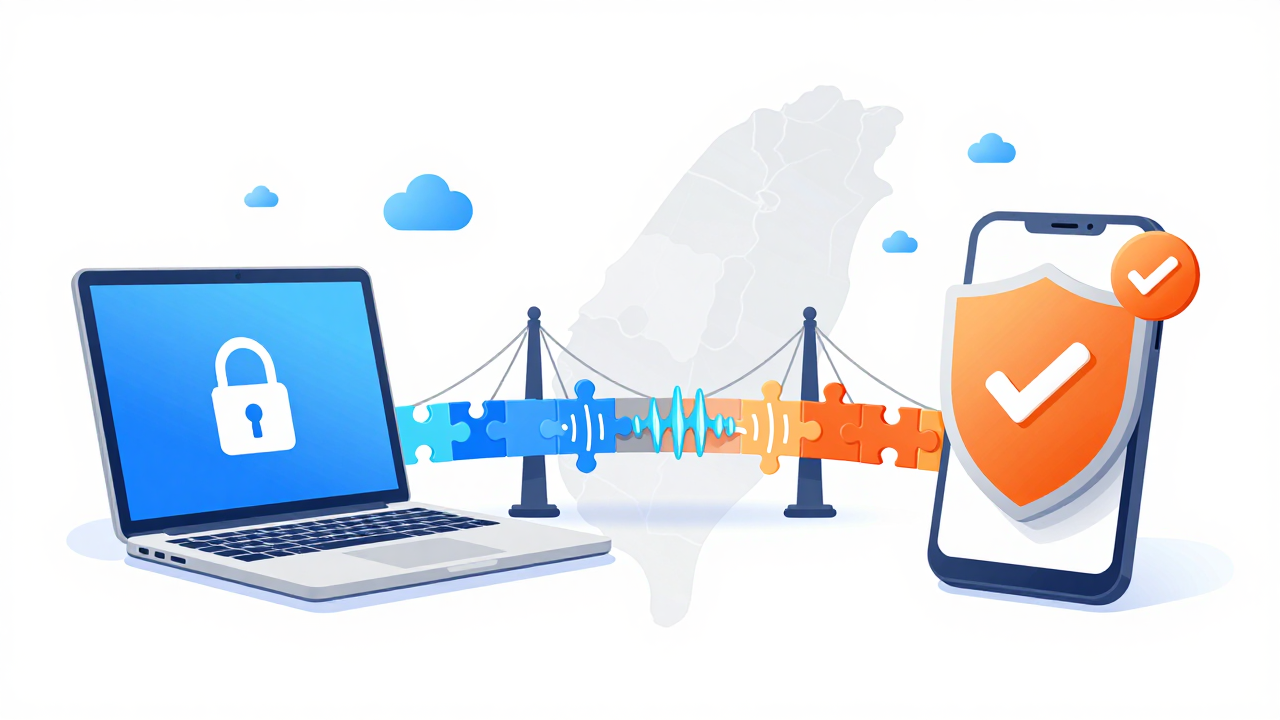
Taiwan SMS verification platforms let you receive SMS codes for Taiwan-based services online. In 2026, the leading options offer both web dashboards and API access, charge per message, and deliver success rates between 92% and 97%. These services are essential for account registration, e-commerce verification, and social media binding. Cross-border businesses and solo operators should prioritize carrier stability, privacy compliance, and responsive support when choosing a provider.
Top Use Cases for Taiwan SMS Verification Platforms
For cross-border operations, Taiwan often serves as a strategic gateway to Southeast Asia and broader East Asian markets. You'll need a Taiwan mobile number to verify accounts on local e-commerce sites, Line business accounts, Foodpanda merchant dashboards, or banking apps. Independent professionals typically rely on these services for managing multiple social media accounts or conducting market research.
In 2026, Taiwan SMS platforms fall into two main categories: disposable numbers and dedicated numbers. Disposable numbers work well for low-frequency verification, while dedicated numbers are built for long-term account binding—think active storefronts or ad accounts. Industry consensus is clear: dedicated numbers offer far greater stability, but they cost roughly 3 to 5 times more.
Here's a cautionary tale: one cross-border seller used a free SMS platform to register a Shopee store in Taiwan. Three days later, the number was recycled, triggering a risk-control flag that froze the entire store. The takeaway? Your choice of SMS platform directly affects business continuity—this isn't just about "receiving a code."
Disposable vs. Dedicated Numbers: Which One Do You Need?
- Disposable numbers: Budget-friendly at roughly $0.07–$0.28 per code. Ideal for testing or accounts you won't log into again.
- Dedicated numbers: Monthly subscription around $7–$28 per month. Built for long-term account ownership, with voice verification support.
- API access: Designed for developers who need bulk automation capabilities.
Technical and Compliance Requirements in 2026
Taiwan's communications regulator has tightened oversight of virtual numbers, now requiring platforms to complete real-name registration and use-case filing. What this means in practice: unregistered SMS platforms are losing carrier access, and their message delivery rates are dropping fast. Before signing up with any provider, verify that they hold legitimate operating credentials.
Industry data shows that the number of compliant Taiwan SMS providers has shrunk by roughly 30% compared to two years ago. However, top-tier platforms now maintain API success rates above 95%. The consensus view: rising compliance costs are pushing low-quality, low-price operators out of the market—which ultimately benefits serious users.
In real-world testing, some platforms experience delays when receiving verification codes from Google or Apple, typically due to increased international routing nodes. If your business depends heavily on overseas platform verification, prioritize providers that offer direct carrier connections rather than routing through public gateways.
Compliance Checklist for Taiwan SMS Platforms
| Checkpoint | What to Look For | 2026 Industry Benchmark |
|---|---|---|
| Carrier connectivity | Direct connection to Taiwan carriers | Direct routing > 80% |
| Privacy policy | Data purged after number recycling | Clearly stated and verifiable |
| API reliability | Service-level agreement on uptime | 99.9% availability |
| Support response | Average ticket resolution time | Under 15 minutes |
How to Choose a Reliable Taiwan SMS Verification Platform
Don't let price be your only guide. Test before you pay—that's the golden rule. In 2026, most legitimate platforms offer 1 to 3 free test credits so you can verify delivery rates on your target services. If a provider refuses to offer testing, cross them off your list immediately.
Industry consensus points to three non-negotiables for a trustworthy provider: transparent number sourcing and usage history, a full refund guarantee for failed deliveries, and support agents who can clearly explain channel types and recovery procedures. Take Getfollow as a reference point—they offer dedicated number plans in Taiwan and maintain a public API status page. That level of transparency sets a solid benchmark for evaluation.
Here's a practical screening process that works well:
- List the exact platforms you need to verify (Shopee, Line, Dcard, etc.).
- Request test numbers from each provider and check delivery speed and success rates.
- Ask about the number recycling window—anything under 24 hours is unsuitable for long-term binding.
- Read the privacy terms carefully to confirm your number data can't be indexed by third parties.
Provider Comparison: Main Options in 2026
| Provider | Number Type | Billing Model | API Support | Best For |
|---|---|---|---|---|
| Getfollow | Dedicated numbers | Monthly subscription | Yes | Long-term account management |
| Provider B | Disposable numbers | Pay-per-message | Yes | Bulk registration testing |
| Provider C | Hybrid | Prepaid credits | No | Low-frequency personal use |
This table is a feature comparison, not a ranking. Your final choice should be driven by your own test results.
Key Risks and Actionable Recommendations
Using Taiwan SMS platforms comes with three primary risks: account association bans, number reverse-lookup, and provider shutdowns. In 2026, Taiwan e-commerce platforms have upgraded their risk-control systems to recognize virtual number ranges. If too many accounts register from the same number block, it can trigger mass bans. For business users, I strongly recommend avoiding shared public number ranges—go with dedicated numbers or independent blocks instead.
From my experience, SMS verification services have shifted from a "gray-area tool" to "compliance infrastructure" in cross-border operations. Companies that formally procure these services and maintain usage logs significantly reduce their account security audit risks. For independent professionals, I'd suggest setting a monthly budget rather than loading up large prepaid balances.
Here's my bottom-line advice: first, clarify whether you need one-time verification or long-term binding. Then run the screening process outlined above with 2–3 providers, and only commit to a small purchase after real-world testing. Avoid annual plans unless you've verified a provider's stability over 30 consecutive days.
What is a Taiwan SMS verification platform?
A Taiwan SMS verification platform provides temporary or dedicated Taiwan phone numbers to receive SMS verification codes. In 2026, mainstream platforms offer both web interfaces and API access, with pay-per-message or monthly billing options.
What should I do if I don't receive a verification code?
First, check whether your number has been recycled. Next, confirm the target platform hasn't blocked virtual number ranges. If both check out, contact your provider and request a channel switch. Leading platforms in 2026 offer refunds for failed deliveries, but you'll need to submit a ticket within 24 hours.
How do I pick a trustworthy Taiwan SMS provider?
Focus on three things: free test credits, transparent channel information, and a refund policy for failed messages. Getfollow, for example, offers dedicated number subscriptions and a public API status page—that level of transparency is a solid reference standard. Steer clear of unlicensed platforms with rock-bottom prices and no support.
Are Taiwan SMS verification platforms legal?
Yes, provided the platform has completed real-name registration with Taiwan authorities. Using a registered service is legal, but you're responsible for ensuring your usage doesn't violate the target platform's terms of service—otherwise, you risk account bans.
Can I use these platforms to register Line or Google accounts?
Yes, but success depends on number quality. In 2026, Google's virtual number detection rate sits around 60%. For the best results, use dedicated numbers and operate from a real device environment to lower your risk profile.
One final note: whatever Taiwan SMS verification platform you choose, keep your usage logs and payment records. Cross-border competition in 2026 demands precision at every level—SMS verification may seem like a small detail, but it directly impacts the security of your account assets. I hope this guide helps you make a confident, informed decision.