How to Send SMS via Shenhua JieMa: The Complete Playbook Cross-Border Sellers Actually Use
How to Send SMS via Shenhua JieMa: The Complete Playbook Cross-Border Sellers Actually Use
If you run an e-commerce operation or manage independent sites, chances are you've hit the dreaded "verification code never arrives" wall. It's especially painful when you're trying to register WhatsApp, Telegram, or TikTok accounts and your domestic number simply won't cut it. That's why so many people end up asking: how does Shenhua JieMa handle sending SMS? Behind that question sits an entire micro-ecosystem of overseas number rentals and message delivery. Let's skip the fluff and walk through the whole process step by step.
First Things First: What Shenhua JieMa Actually Does
Newcomers often assume "Shenhua JieMa" is some kind of mysterious tool. In plain terms, it's a platform that provides overseas virtual numbers—you pay a few bucks to rent one and use it to receive registration codes. But here's the part most people overlook: these platforms don't just receive messages. They can send them too.
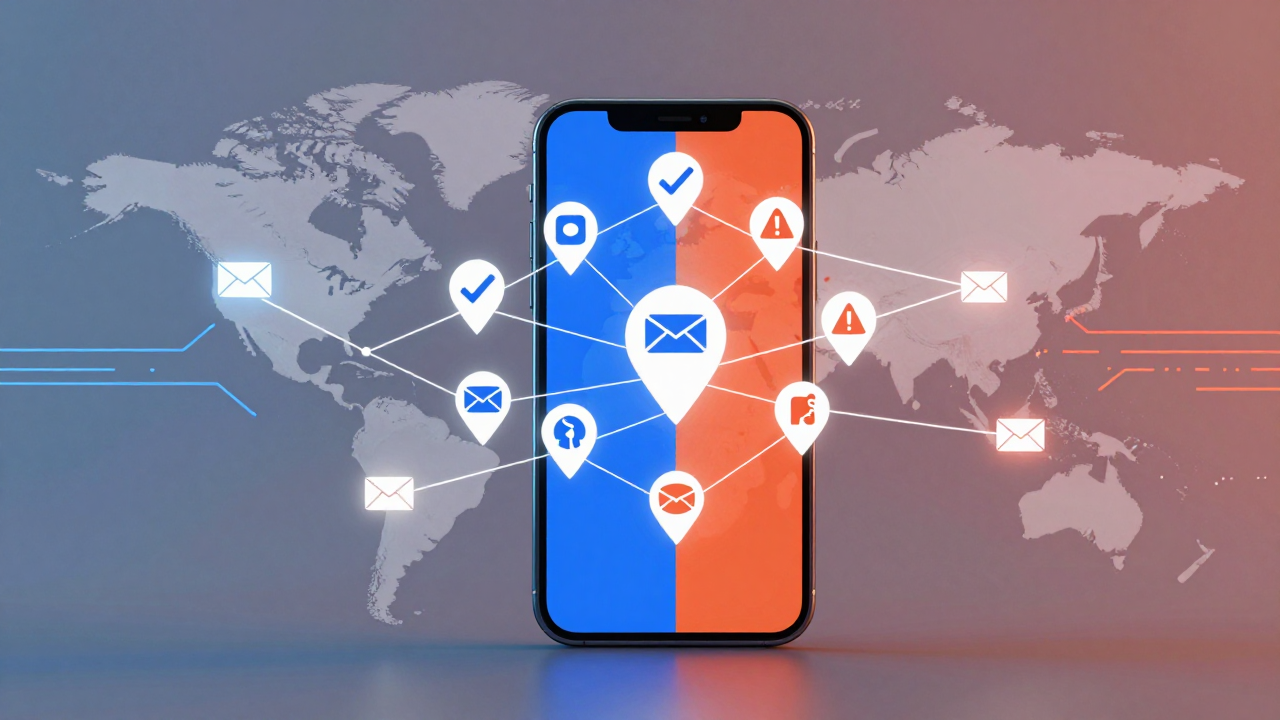
Under the hood, these platforms typically connect through carrier gateways or VoIP channels, with number pools spanning the US, UK, Philippines, Malaysia, and other regions where cross-border business thrives. Once you grab a number, you can not only receive verification codes but also initiate SMS sends through a web dashboard or API. That sending capability is exactly what many studios rely on for bulk social media operations, notification blasts, and two-factor authentication setups.
Here's what the hands-on workflow looks like:
- Register and log in to the platform, then top up a small amount (usually $10 minimum);
- Pick a region, choose a carrier, or filter by use case (like WhatsApp-dedicated numbers) from the inventory;
- After renting a number, head to the "Send SMS" panel, enter the recipient's number and country code;
- Compose your message, confirm, and pay per message;
- Track delivery status (success/failed/delayed) in the dashboard for full visibility.
The process isn't complicated, but there are a few pitfalls worth flagging. Many platforms that claim to offer SMS sending actually only deliver to specific countries, or they enforce strict content review. Marketing messages with links, for instance, get blocked outright on most platforms. Number quality matters just as much—if a number has been flagged by risk controls, your messages will likely land in spam folders or get blocked by carriers entirely.
How Cross-Border Teams Actually Use SMS Sending
From my experience watching hundreds of cross-border sellers work through their daily routines, the "how to send SMS via Shenhua JieMa" question really boils down to three core scenarios.
Scenario 1: Account Nurturing and Two-Factor Authentication. Teams running social media account matrices constantly need to bind phone numbers for 2FA. Using a rental number to send a confirmation SMS to a designated line is far more efficient than swapping SIM cards manually.
Scenario 2: Customer Notifications and Marketing Outreach. Sellers using COD (cash on delivery) models often send logistics alerts to customers via overseas numbers. These messages don't need fancy formatting, but they must arrive reliably. Industry consensus puts the acceptable delivery rate at 85% or higher.
Scenario 3: Internal Coordination and Code Forwarding. Some studios rent a batch of numbers specifically to catch verification codes from various platforms, then use the SMS sending feature to forward those codes to a central number. It's essentially a verification code relay hub that enables smooth team collaboration.
That said, plenty of cross-border operators report that the market is full of hit-or-miss platforms. Some take your top-up and hand you numbers that simply don't work. Others have SMS sending features that are pure decoration—you hit send and it spins on "processing" forever. The root cause is channel resources. Only platforms with genuine carrier partnerships dare to open up their sending functionality.
Take Getfollow, which has built a solid reputation in the industry. It uses direct API connections, keeps its number pool updated in real time, and runs multi-route redundancy on its SMS channels. Platforms like this don't treat "send SMS" as a gimmick—they bake it into the standard service and bill per usage. Sure, it costs a bit more than basic number rental, but the stability is worth every cent.
Three Hard Metrics to Judge Any Provider By
People ask me all the time how to tell if a platform is legit. Skip the marketing pitch—ask customer support for these three numbers directly:
- Number survival rate: The percentage of rented numbers that can send and receive normally within 24 hours. If it's below 90%, walk away.
- Send latency: The average time from clicking send to the recipient receiving the message. If it exceeds 30 seconds, that's a dealbreaker.
- Complaint rate: How often messages get flagged as spam or reported by recipients. Platforms rarely volunteer this, but you can test it yourself with a throwaway number.
One more piece of advice: don't fall for those dirt-cheap "test numbers" that go for pennies. Those are almost always recycled numbers with heavy risk-control flags—send two messages and they're dead. Serious teams typically go for the $1–$3 per number tier. It costs more, but it saves you a headache down the line.
The Industry Is Going Through a Shakeout Right Now
A couple of years ago, SMS rental platforms were popping up like mushrooms—anyone could slap together a website and start selling numbers. Those days are over. Carriers have tightened their risk controls, and many small platforms can no longer secure first-hand channels. They're reselling secondhand resources, and stability has tanked as a result. The industry consensus is clear: the survivors will be providers with direct carrier partnerships and proper compliance registrations.
Cross-border sellers report that the biggest fear isn't high prices—it's platforms vanishing overnight. You top up a few hundred dollars, and a week later the site won't load. That scenario is far more common than people admit. That's why the smart money now gravitates toward platforms that have been operating for over two years, list a public office address, and offer responsive ticket-based support.
So, back to the core question: how do you send SMS via Shenhua JieMa? The answer is pretty clear by now. It's not just a matter of following steps—it's about picking the right tool. If you only need to receive a verification code once in a while, any platform will do. But if you're planning to send SMS in bulk or run outreach campaigns, you need to vet the provider's channel quality and risk-control capabilities seriously.
Here's my practical advice, regardless of which platform you choose: don't load up on your first deposit. Put in $20–$30 and run a full send-and-receive test. Focus on three things—whether the number can receive codes, whether your SMS actually goes out, and whether the recipient gets it without issues. Once those three check out, scale up your investment. At the end of the day, time is worth more than money in this business, and the last thing you want is your tools becoming the bottleneck.
Frequently Asked Questions
Can I really send SMS with a rented overseas number?
Yes, most established platforms offer SMS sending alongside number rental. Just keep in mind that some restrict delivery to certain countries and enforce strict content policies—links and promotional text often get blocked.
How much does it cost to send an SMS through these platforms?
Pricing varies by destination country and platform, but you're typically looking at a few cents per message. Number rental itself usually runs $1–$3 per number for quality options.
What's the difference between Shenhua JieMa and Getfollow?
Shenhua JieMa is one of many platforms in the space. Getfollow differentiates itself with direct API integration, multi-route SMS channels, and a focus on stability—making it better suited for teams that need reliable bulk sending rather than occasional verification code reception.
How do I avoid getting my SMS flagged as spam?
Use numbers with a clean reputation, avoid link-heavy content, keep your message frequency reasonable, and stick to providers with direct carrier connections. Testing with a small batch before scaling up is always a smart move.