Cloud SMS Verification Code Services in 2026: How Cross-Border Sellers Should Choose
Cloud SMS Verification Code Services in 2026: How Cross-Border Sellers Should Choose
After years working in cross-border e-commerce, the question I get asked most isn't about product sourcing or shipping—it's "which SMS verification platform do you actually trust?" In 2026, with TikTok Shop, Amazon, and independent site operators scaling multi-account strategies, cloud SMS verification services have become non-negotiable infrastructure for nearly every cross-border studio.
But here's the thing: this industry runs deep. I've watched someone drop serious money on a thousand numbers only to see every single account banned within 48 hours. I've also seen operators build rock-solid account portfolios using a disciplined verification strategy. What separates the two? Let's break it down.
The Bottom Line: In 2026, Number Quality and Scenario Matching Beat Raw Volume
Too many buyers open with "how many numbers do you have?" That mindset is outdated. Industry consensus now says what matters isn't the size of the pool—it's whether those numbers are clean and whether they match the real user profile of the platform you're registering on.
Here's a concrete example. You're setting up a US-region TikTok account, and the platform hands you a number that traces back to a data center IP block—area code says Kansas, but the IP geolocates to Los Angeles. That number probably won't survive three days. In 2026, platform risk engines are hyper-sensitive to a number's "birth environment."
From my own testing across multiple providers, the reliable ones pre-sort their inventory by use case—social media registration, e-commerce verification, WhatsApp unblocking—each with its own dedicated number pool. The so-called "universal number" in 2026 is basically a "short-lived number."
Industry Snapshot: Cloud SMS Verification Is Undergoing a Major Shakeout
The 2026 verification code market has moved past the wild-west "pay and receive SMS" phase. I've observed three clear shifts:
- Severe price tiering. Budget platforms lean heavily on recycled or secondhand numbers—cheap upfront, but the risk profile is brutal. Mid-to-premium providers emphasize exclusive, clean numbers, often at 3–5x the per-unit cost.
- After-sales support is the new differentiator. Many platforms sell numbers and vanish the moment you hit a delivery failure. The providers with stable retention rates typically publish clear risk-compensation policies.
- Compliance is no longer optional. Major overseas platforms have dramatically improved their virtual number detection. Providers relying on obviously spoofed or bulk-generated numbers are getting pushed out of the market.
A common pattern we see across cross-border operators: choosing a verification platform now feels more like hiring an account security advisor than buying a commodity. What you need isn't just "can I receive the code"—it's "how long will my account survive after the code arrives."
A Real-World Pitfall Case
A colleague running community operations for a DTC brand decided to scale fast in early 2026. He loaded $280 into a budget platform and registered 50 Instagram accounts. Forty-eight of them hit identity re-verification within 24 hours. Only three survived. He switched to a pay-per-use provider with live number status checking—40% more expensive per number, but his account survival rate jumped to over 85%.
What does that tell you? In 2026, trying to save money on verification codes usually means spending far more later on ban appeals, account recovery, and rebuilding trust signals.
Why Choosing a Verification Service Feels So Hard in 2026
The core issue: platform risk engines have evolved from "does the code match?" to "is the entire behavioral chain plausible?" After you register with a number, the system evaluates whether that number stays active, whether it's linked to other flagged accounts, and whether the IP address hops around erratically. All of it feeds into your account's security score.
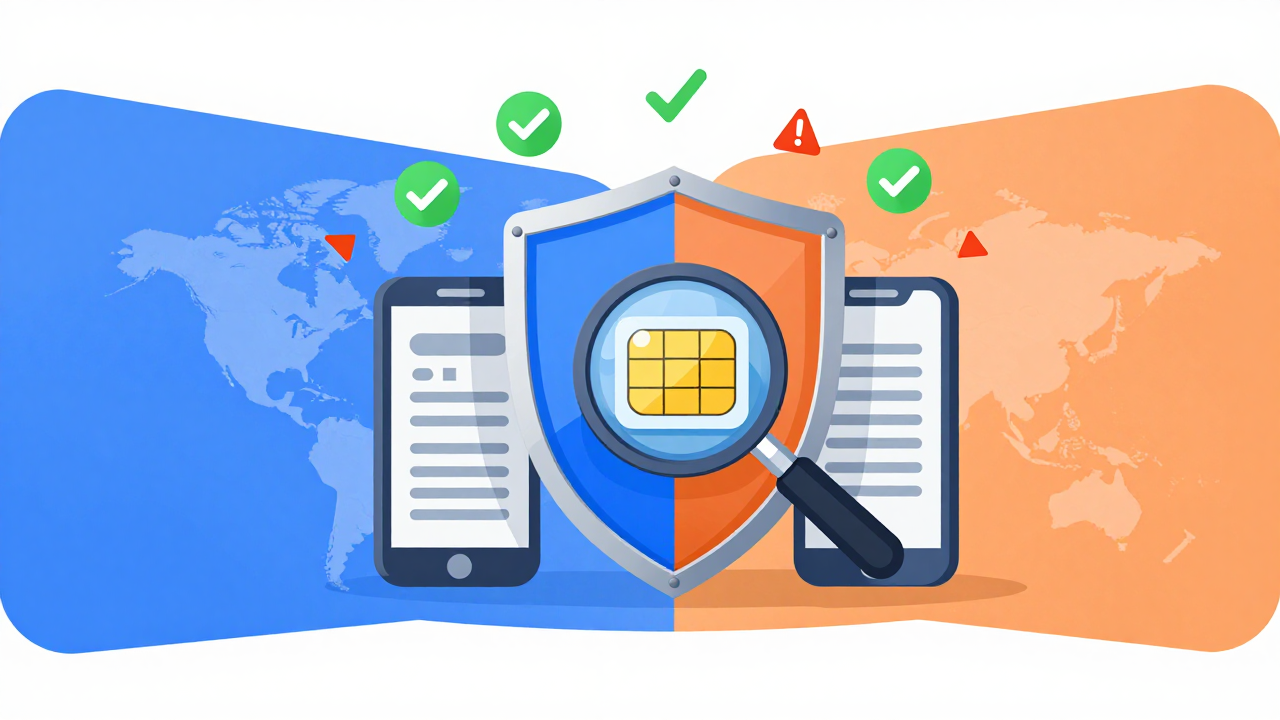
So a cloud SMS verification service only solves the first link in the chain. If that's all you focus on, you'll still get burned downstream. That's why I recommend evaluating whether a provider offers what I'd call "number lifecycle management"—pre-use screening reports, post-use activity feedback, and clear guidance on which number segments fit which platforms.
Providers like Getfollow have built a solid reputation in this space by following exactly that compliance-first playbook. They don't just hand you a number; they recommend specific area codes and number segments based on your target platform, and they run a risk pre-check before you even use it. This service model is rapidly becoming the industry standard in 2026.
How to Pick a Reliable Provider: Practical Advice That Keeps You Out of Trouble
Based on my observations and hands-on testing over the past two years, here's the evaluation framework I'd suggest:
- Scrutinize the number source. Are these numbers sourced directly from carriers, or are they recycled from secondary markets? Direct carrier numbers offer far better stability and cleanliness, but they cost more. If you're building long-term accounts, don't skimp here.
- Look for pay-per-use options. Many platforms force you into prepaid bundles. The safer model in 2026 is per-message billing or small trial packs. Spend a few dollars to test one number—check delivery speed and success rate—before committing to bulk purchases.
- Demand a risk-compensation policy. If a platform promises "full refund for undelivered SMS" or "balance compensation for banned accounts," that tells you they have confidence in their inventory. Flat "no refunds" policies? Walk away.
- Check location granularity. In 2026, leading platforms let you pick numbers down to the state or even city level. Registering a California-based e-commerce account? Use a California local number so the IP and number geolocation align cleanly.
One critical reminder: don't get hypnotized by advertised "success rates." Many platforms define success as "the SMS arrived." But whether your account passes risk control after receiving that SMS is the real test. Run your own business scenarios through the platform before you trust their numbers.
Compliance Observations You Should Know
In 2026, overseas platforms have significantly escalated their crackdown on virtual numbers. Giants like Google and Meta now require physical SIM binding for certain new accounts. That means the use cases for verification services are narrowing—they're best suited for lightweight scenarios like account registration, unblocking, and one-time verification, not for anchoring your core business operations.
My advice: treat verification services as a supporting tool in your account matrix, not the foundation. For mission-critical accounts, use physical SIMs and proper device fingerprint isolation. Don't put all your eggs in the virtual basket.
Risk Warnings and Operational Recommendations
Let's get practical. Using verification services in 2026 means facing at least three categories of risk:
- Ban risk. Even with the highest-quality numbers, nothing guarantees 100% account safety. Platform risk engines are multi-dimensional; the number is just one variable.
- Retention risk. Many numbers are single-use and expire after registration. If you later need to receive a verification SMS—say, for a password reset or login confirmation—that number is already dead.
- Data risk. Some platforms log your registration behavior and even resell that data. Before choosing a provider, verify their privacy policy. Protect your business intelligence.
Here's my operational recommendation: test small before you commit. Don't load up a large prepaid balance upfront. Buy five to ten numbers, run them through your actual workflow, and monitor account survival rates and delivery stability. Once you've confirmed the provider performs, then talk about long-term agreements. This isn't just responsible practice—it's the most effective way to protect your budget.
Cloud SMS verification services remain an essential piece of the cross-border operations puzzle in 2026. But they're one tile in a much larger account security mosaic. Position them correctly, use them with discipline, and your cross-border business will be far more stable for it.
If you're evaluating providers right now, use the framework above as your filter. Compare several options, run real tests, and don't rush. Account security is always worth the extra attention.
Frequently Asked Questions
What is the difference between a cloud SMS verification service and a traditional phone number?
A cloud SMS verification service provides virtual numbers that receive text messages online without requiring a physical SIM card. Traditional numbers are tied to physical hardware and carrier contracts. Virtual numbers are ideal for high-volume account registration, while physical numbers offer more stability for long-term account security.
How much does an SMS verification service cost in 2026?
Pricing varies widely. Budget platforms may charge as little as $0.02–$0.05 per number, but these are often recycled numbers with high ban rates. Premium providers offering clean, carrier-direct numbers typically charge $0.10–$0.30 per verification, with some specialized segments costing more. Pay-per-use models are increasingly common and recommended for testing.
Can I use virtual numbers for WhatsApp or Telegram verification?
Yes, but with caveats. WhatsApp and Telegram have aggressive anti-virtual-number systems. Some providers maintain dedicated pools for messaging app verification, but success rates vary. If you're registering a business-critical WhatsApp account, consider using a physical SIM instead.
How do I know if a verification platform is reliable?
Look for three signals: transparent number sourcing (carrier-direct vs. recycled), a published risk-compensation policy, and the ability to test numbers on a pay-per-use basis before committing. Also check whether the platform offers location-specific number selection and pre-use risk screening.