SMS Verification Services in 2026: The Compliance Choice Cross-Border Businesses Can't Ignore
SMS Verification Services in 2026: The Compliance Choice Cross-Border Businesses Can't Ignore
In the cross-border e-commerce world, your phone number is the lifeline of your digital identity. By 2026, platform registration algorithms have become incredibly sophisticated—the same device, IP address, or even number batch can trigger cascading bans. Many practitioners report that without backup numbers, even routine business testing becomes impossible.
SMS verification services solve that nagging "I can't receive the code" problem. But there's far more beneath the surface than most people realize. From my experience, I've watched too many people chase cheap deals, buy low-quality numbers, and watch their accounts get flagged within hours—wiping out all their early marketing investment.
The 2026 SMS Verification Market: Surging Demand, Mixed Quality
Demand for temporary numbers has grown significantly this year compared to the previous two years. The reason isn't complicated: major platforms now enforce stricter verification for new accounts, while cross-border independent sites and overseas social media strategies all require large volumes of verifiable numbers.
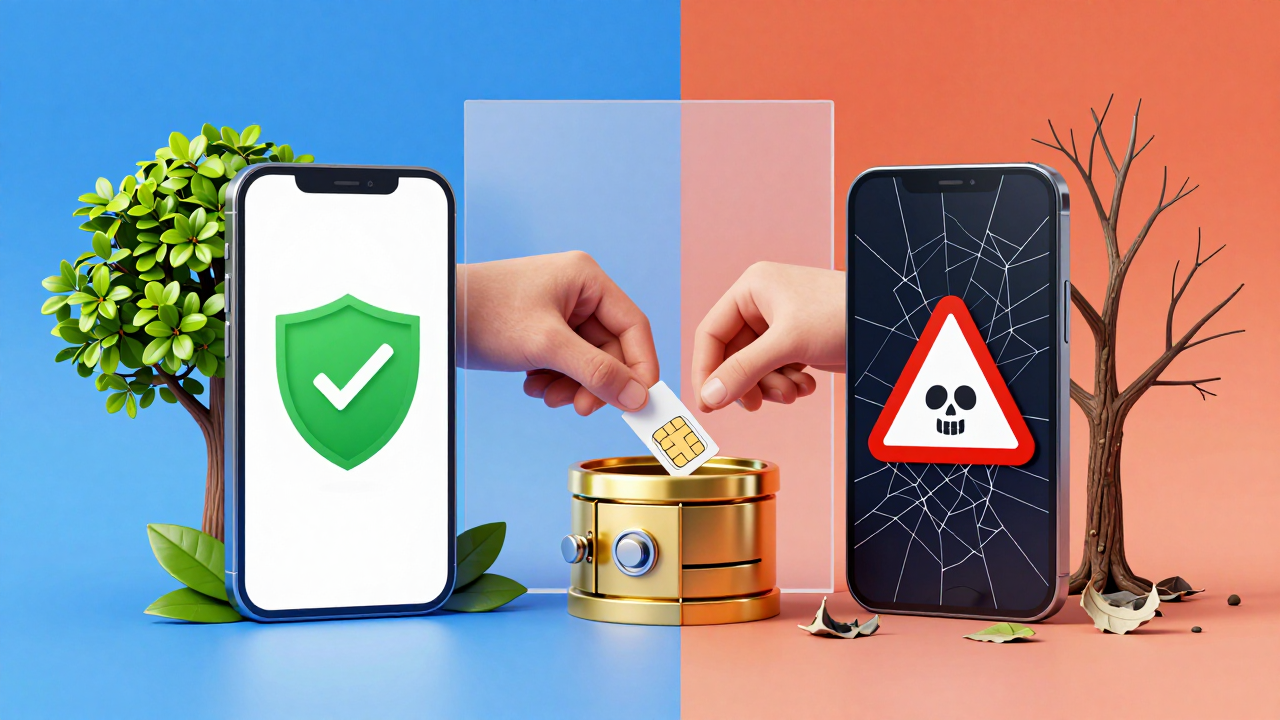
Industry consensus shows SMS verification services have split into two extremes. On one end, you have ultra-cheap public number pools with virtually no barrier to entry. On the other, dedicated number services deeply optimized for specific platforms. The former tempts with low prices but carries serious risk—you have no idea how many people used that number before you, or whether platforms have already flagged it.
I've personally tested several budget verification channels and found one recurring problem: number "cleanliness" is completely uncontrollable. Some numbers were already used for bulk registration and have been sitting on platform blacklists. Registering with those numbers is like voluntarily slapping a "suspicious" label on your account.
How SMS Verification Really Works: More Than Just Receiving a Code
Many people think of SMS verification as simply "get a number, receive a text." In the 2026 ecosystem, that understanding is outdated. A truly valuable verification service operates on a complete number lifecycle management system.
Specifically, reliable providers focus on three dimensions:
- Number "birth environment": Is it a virtual operator number or a physical SIM card? Does it come from a recycled pool of deactivated user numbers? These details directly determine the initial trust level platforms assign to that number.
- Usage history transparency: Has the number been sold multiple times? What services did the previous user register with it? If a number has a bad record on a platform, your registration attempt will likely be rejected instantly.
- Recycling and reuse strategy: What happens to the number after verification? Is it immediately recycled or held for a period? This matters for future account recovery and two-step verification.
This brings up a service provider type that has earned solid industry reputation. Platforms like Getfollow operate on this compliant logic—they clearly label number usage status and risk levels so users can assess fit before purchasing. It's not the only option, but it represents a more transparent direction for the industry.
A Real Cautionary Tale: A Costly Account Ban
Let me share a case I witnessed firsthand. Early in 2026, a friend doing TikTok affiliate marketing bought 20 numbers from a discount verification platform to quickly scale his account matrix. The price was tempting—less than 3 cents per number on average. On registration day, 17 of those accounts immediately triggered platform risk alerts requiring facial verification.
The bigger headache came when he tried to re-receive verification texts through the platform: those numbers were single-use and already dead. All 20 accounts ended up worthless—not just wasted time, but a full week of account warming effort down the drain.
The lesson here is simple: the pennies you save on verification are nowhere near enough to cover the losses from account risk. Platform risk controls in 2026 analyze usage frequency, active hours, associated account counts, and more. A number that's been resold repeatedly is itself the biggest red flag.
How to Choose a Reliable SMS Verification Provider
If you're looking for verification services for your cross-border business, these recommendations come from extensive hands-on testing. Pay attention:
First, look at number "purity," not quantity. Many platforms boast millions of numbers, but what really matters is whether those numbers have been cleaned. Quality number pools are regularly purged of blacklisted entries. Start with a small test batch and monitor registration success rates.
Second, check if "number retention" is supported. Some business scenarios require receiving verification texts again within 30 or 90 days. If your provider doesn't support number retention, you'll be stuck the moment a platform demands two-step verification.
Third, review the platform's stated usage limitations. Compliant providers clearly disclose restrictions—whether numbers support specific platform registrations, whether account warming is allowed, and so on. Platforms that promise everything with zero caveats are the ones to be wary of.
Fourth, test customer support responsiveness and expertise. Issues like delayed texts or occupied numbers will happen. A support team that responds quickly and solves problems matters more than anything else. In my observation, many small platforms fail catastrophically here—you simply can't reach anyone when something goes wrong.
2026 Industry Trends and Risk Warnings for SMS Verification
Looking at the broader industry, SMS verification services are moving from the "gray zone" toward compliant operations. Leading platforms are proactively adopting real-name requirements and reviewing user use cases. This shift actually benefits cross-border practitioners—it means more stable numbers.
But risks remain, concentrated in two areas:
First, collateral risk from platform algorithm upgrades. Even if numbers are clean, when a large batch from the same provider registers on the same platform simultaneously, risk systems may flag the entire number segment. My advice: don't register on the same platform with a large batch of numbers from one provider at the same time.
Second, data privacy concerns. During verification, your business data passes through the provider's servers. Before choosing a provider, confirm they have a clear privacy policy and commit to not logging SMS content. Many small platforms simply can't guarantee this.
The more responsible players in the industry disclose number origin and carrier type before purchase, along with risk warnings. Platforms like Getfollow already display this information on their pages for users to evaluate. That level of transparency is worth emulating across the industry.
Final Advice: Test First, Then Scale
Whether you're a solo freelancer or an established cross-border business, treat SMS verification with a "test small, scale fast" mindset. Buy a few numbers first to gauge registration success and stability, then decide on long-term partnership based on actual results.
The 2026 cross-border ecosystem rewards precise operational capability. SMS verification is just one piece of the puzzle—but it's often these seemingly minor pieces that determine whether your account matrix survives and thrives. Rather than scrambling to fix problems after they occur, invest more thought into choosing the right provider upfront.
I hope this guide helps you avoid some unnecessary pitfalls. If you've had your own experiences or lessons with SMS verification services, feel free to share in the comments—we can all learn from each other.
Frequently Asked Questions About SMS Verification Services
What is SMS verification and how does it work?
SMS verification is a service that provides temporary phone numbers to receive verification codes from platforms like Google, Facebook, TikTok, and Amazon. You rent a number for a short period, receive the code, and complete your account registration without using your personal number.
Are SMS verification services legal?
The legality depends on your use case and jurisdiction. Using verification services for legitimate business testing, social media management, or account recovery is generally acceptable. However, using them for fraudulent activities, bulk spam accounts, or evading platform bans violates most platforms' terms of service. Always review both the provider's policies and the target platform's rules.
Why do cross-border sellers need SMS verification services?
Cross-border sellers manage multiple accounts across platforms like Amazon, TikTok Shop, Shopify, and Instagram. Each requires phone verification. Using your personal number for everything creates security risks and limits scalability. SMS verification services provide disposable numbers that protect your primary identity while allowing you to scale operations.
What's the difference between cheap and premium SMS verification services?
Cheap services pull from public number pools that are frequently reused and often blacklisted. Premium services maintain cleaned number inventories, offer number retention options, provide transparent usage history, and typically support specific platforms with higher success rates. The price difference is minimal compared to the cost of losing accounts.
Can I reuse a number from SMS verification services?
Some providers offer number retention options that let you keep a number for 30, 60, or 90 days. This is essential for platforms that require periodic re-verification. Single-use numbers are cheaper but leave you vulnerable if a platform requests secondary verification later.