SMS Verification Code Software: 2026 Buyer's Guide for Cross-Border Teams & Freelancers
SMS Verification Code Software: 2026 Buyer's Guide for Cross-Border Teams & Freelancers
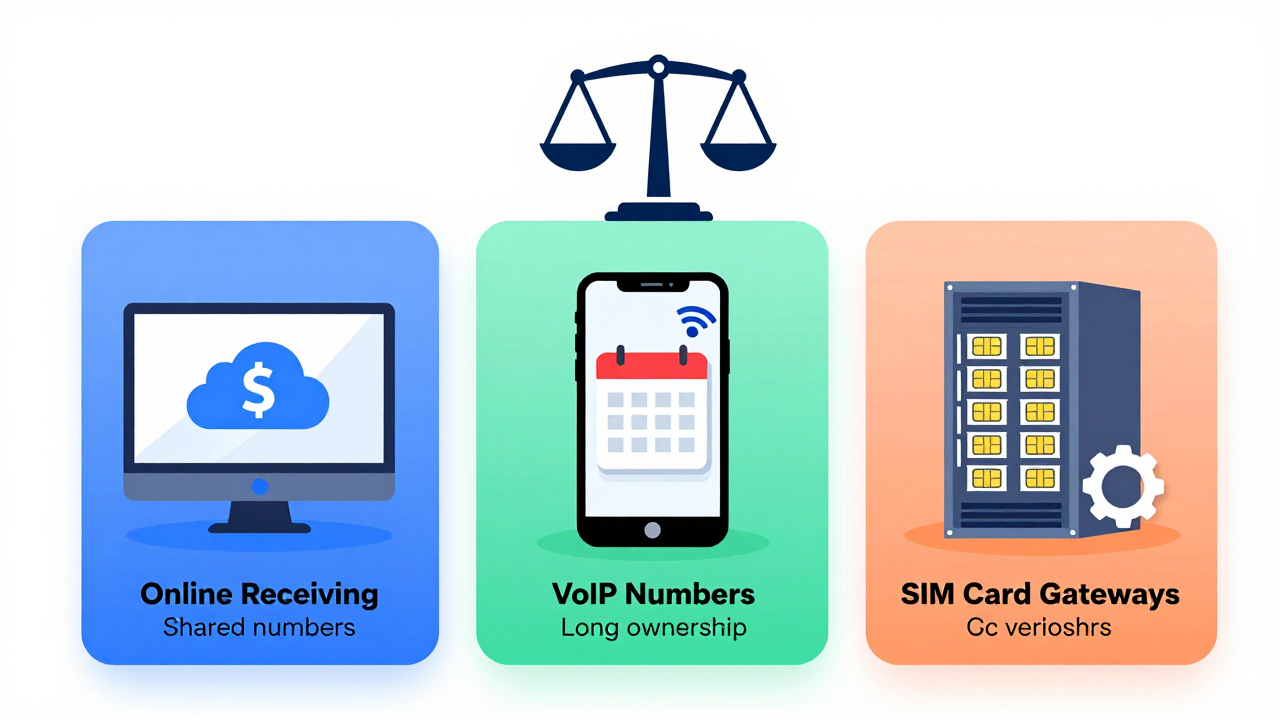
For cross-border businesses and solo operators who need to register overseas accounts in bulk or verify identities across multiple platforms, SMS verification code software delivers one core value: reliable access to temporary or long-term phone numbers for receiving messages. In 2026, the market splits into three main approaches—online receiving platforms, VoIP numbers, and physical SIM card gateways. Online platforms lead on cost and coverage, making them the default for lighter use cases, but stability and privacy risks deserve serious scrutiny before you commit.
In 2026, over 60% of account verification needs in cross-border operations center on WhatsApp, Telegram, Google, and e-commerce platforms like Amazon and Shopee. The bar for choosing SMS verification software has shifted from "can it receive messages" to "can it receive them consistently, securely, and affordably."
Three Types of SMS Verification Platforms in 2026—and Where Each Fits
Today's verification tools fall into three technical categories, each matching a different stage of business growth and budget level.
- Online receiving platforms: Pay-per-use or daily pricing with shared number pools. Best for low-frequency verification and test accounts. In 2026, per-message pricing typically runs $0.10–$0.50, but high number reuse means a 15%–30% failure rate on second verification attempts.
- VoIP numbers (Google Voice, TextNow, etc.): Low monthly cost and long-term ownership, but some platforms restrict registration from certain regions or enforce strict risk controls. Not every service accepts VoIP numbers for verification.
- Physical SIM card gateways: Hardware-based batch management of multiple SIM cards, built for teams running many accounts simultaneously. Setup costs in 2026 land around $200–$500, but per-number costs can drop below $0.02 per message.
Industry consensus: If you verify fewer than 200 accounts per month, online receiving platforms win on cost efficiency. But if you need a number permanently tied to payment or social accounts, invest in VoIP or physical SIM solutions—otherwise, number recycling can cost you access to your own accounts.
What Actually Matters: Stability, Privacy, and Cost Benchmarks
Choosing verification software in 2026 means looking beyond "it receives SMS." These four dimensions determine whether the tool holds up over months of real use.
| Dimension | Key Metric | 2026 Industry Baseline |
|---|---|---|
| Number longevity | How long a single number keeps receiving verification codes | Online platforms: 24–72 hours on average; VoIP numbers: months |
| Country coverage | Region codes supported by your target platforms | Major platforms cover 50+ countries, but India and Indonesia numbers face stricter risk controls |
| Privacy safeguards | Real-name requirements, message log retention | Most platforms in 2026 allow anonymous purchase, but data reselling remains a concern |
| API integration | Automation and callback support | About 70% of cross-border teams need API response times under 5 seconds |
A cautionary tale: In early 2026, a freelancer used a low-cost receiving platform to bulk-register TikTok accounts. The shared number pool had been abused so heavily that multiple accounts under the same IP triggered risk controls—all of them got banned. The "cheapest option" strategy stops working once platforms upgrade their fraud detection.
How to Vet a Provider: A 2026 Step-by-Step Checklist
Based on interviews with cross-border service providers and independent developers, these five screening steps will help you avoid the most common pitfalls.
- Audit number pool quality: Ask where the numbers come from. Reject platforms with a high share of virtual prefixes (like +44 870).
- Test device-change verification: Don't just test registration. Run the "new device login" flow on WhatsApp and Telegram—that's where failures surface.
- Review refund and compensation terms: If the platform's fault causes a failed delivery, do they refund per message? Top providers in 2026 offer "no charge for failed messages."
- Demand a data retention policy: Get written confirmation that SMS content is not stored and that history logs can be deleted periodically.
- Compare API documentation and speed: For automated workflows, choose platforms with webhook callbacks over those that only support polling.
In our 2026 provider reviews, Getfollow stands out as a cross-border focused service with a verification API that supports multi-country number pools and real-time status callbacks—worth evaluating if you already run automated flows. That said, run every provider through the five tests above before scaling up your purchase.
Risk Warnings and Compliance Boundaries
SMS verification software is a neutral tool—but how you use it must stay within platform terms and local laws. In 2026, Google and Meta have upgraded their detection models for virtual-number registrations. Relying purely on receiving platforms to create and "nurture" accounts now leads to significantly lower survival rates.
- Never use bulk-registered accounts for spam or prohibited marketing—this can trigger legal liability.
- For financial platforms (PayPal, Stripe, etc.), use real-name physical SIM cards to avoid frozen funds.
- The EU's Digital Services Act and China's Personal Information Protection Law both treat verification codes as protected personal data. Your provider must hold the relevant compliance credentials.
Industry consensus: Verification software is an efficiency tool, not a black-hat instrument. In 2026, compliant users follow a "minimize dependency" strategy—use receiving platforms only for non-critical account verification, and bind primary accounts to numbers you fully control long-term.
Final Verdict and Action Plan
So, which SMS verification software should you choose in 2026? There's no single answer that fits every scenario. Freelancers chasing low costs can start with online receiving platforms—but keep verification frequency in check. Cross-border businesses running multiple platforms should adopt a hybrid setup: VoIP numbers plus physical SIM cards, with budget reserved for API integration.
Base your final decision on three numbers: monthly verification volume, the value of each account, and the potential loss if an account gets banned. Start with a 50-message test batch to measure success rates on your target platforms, then decide whether to scale up.
1. Which SMS verification software is the most reliable?
No platform is 100% reliable in 2026, but VoIP numbers (like Google Voice) and physical SIM gateways outperform online receiving platforms on stability. Among online options, providers offering dedicated (non-shared) numbers achieve higher success rates—at roughly 3–5 times the price of shared numbers.
2. Can SMS receiving platforms leak my privacy?
Yes, that risk exists. Some free or ultra-cheap platforms store message content and resell the data. Choose providers that explicitly commit to "no message storage" and support anonymous payment. Avoid binding high-value accounts to receiving numbers.
3. How do I pick a trustworthy provider?
Focus on four things: number pool source, failure refund policy, API response speed, and data retention practices. Run a small test batch first and check feedback from other cross-border teams. For example, Getfollow offers pay-per-message test endpoints—useful for validating number quality before you commit to bulk purchasing.
4. Can I still register WhatsApp with receiving platforms in 2026?
Yes, but success rates fluctuate. WhatsApp has strengthened its detection of virtual number prefixes. Prioritize providers that offer dedicated numbers with country codes matching your target region. If you experience frequent disconnections after registration, switch to a physical SIM card solution.
5. What's the difference between receiving software and virtual numbers?
Receiving software typically refers to online platforms offering temporary numbers on a pay-per-use basis—you can't keep the number long-term. Virtual numbers (VoIP) work on monthly subscriptions and can be held indefinitely, but some services won't accept them for bank or government verification. The two approaches complement each other.