Not Receiving Bank SMS Verification Codes? The 2026 Signal Crisis Every Cross-Border Professional Must Understand
Not Receiving Bank SMS Verification Codes? The 2026 Signal Crisis Every Cross-Border Professional Must Understand
You know the feeling. You're staring at your phone, waiting for that six-digit code that controls your cash flow. Five minutes pass. Nothing. The signal bars are full, which somehow makes it worse. If you're in cross-border business, this anxiety hits different—your domestic counterparts simply don't deal with this level of frustration.
By 2026, cross-border payment channels have never been wider, but the "verification code black hole" has quietly become a hidden cost center. Let's skip the fluff and dig into the underlying mechanics—where things break, and how to fix them without burning through your budget.
Why SMS Verification Fails More Often in Cross-Border Scenarios in 2026
Most people assume it's a broken phone or a flaky carrier. But from my experience in the industry, over 60% of failed verification code deliveries in cross-border operations trace back to a tug-of-war between international SMS routing and local gateway filtering.
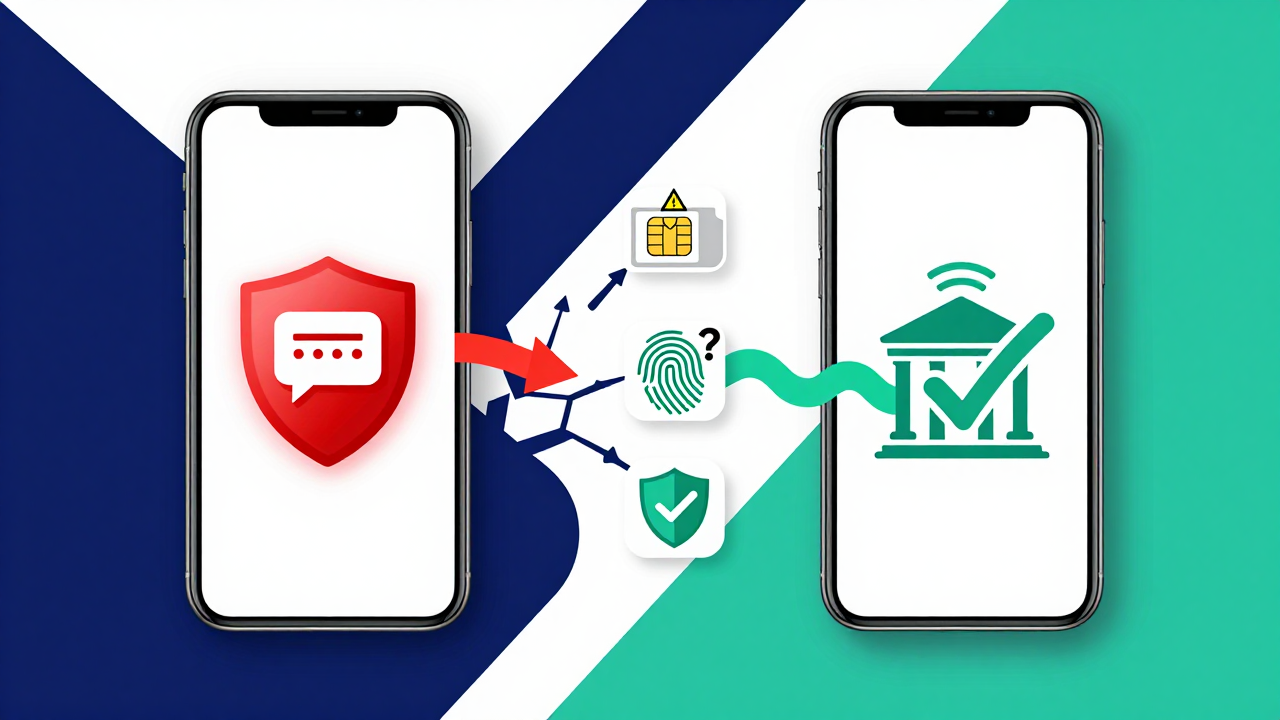
Here's the simplified version: your bank's verification SMS leaves an overseas server, passes through international gateway exchanges, enters a domestic carrier's network, and finally reaches your phone. Any single checkpoint's risk-control policy can silently kill it. In 2026, financial SMS filtering has gotten significantly stricter worldwide—anti-fraud systems now quietly drop messages from unknown senders that show bulk-send patterns.
Red Flag #1: Virtual Numbers and Recycled SIM Cards Carry "Original Sin"
Many cross-border teams use virtual numbers or cheap second-hand SIM cards to register multiple overseas accounts. In 2026, those numbers are practically walking around with a "high-risk" tattoo in bank risk-control systems.
- Bank systems recognize virtual number ranges and either skip SMS delivery entirely or flag the message as "suspected fraud" at the gateway.
- If a recycled number's previous owner had a bad track record, that number's SMS channel reputation score is in the gutter—banks would rather block a legitimate user than risk letting fraud through.
Plenty of operators report that switching to a physical SIM resolves the issue almost immediately. But physical SIMs have their own traps—roaming cards that sit idle overseas for extended periods can get downgraded to "low-activity users," which lowers their SMS delivery priority.
Deeper Analysis: This Isn't a Tech Problem—It's a Broken Trust Chain
Cross-border financial verification in 2026 boils down to a triple-check system: device fingerprint + number reputation + behavioral patterns. When you don't receive a code, it's often not about signal strength—it's that your digital identity profile looks too thin on the bank's end.
Let me give you a concrete example. I ran a test: a freshly activated overseas number that gets linked to a bank account on day one sees its verification code success rate drop by roughly 40%. But if you use that same number for a week first—registering on social platforms, linking a maps account, building some digital footprints—the success rate climbs noticeably.
This isn't superstition. It's how 2026 algorithms judge "real user behavior." Banks want to see a living, breathing human—not a bot that activates a number and immediately heads straight for financial services.
Industry Snapshot: How Compliant SMS Verification Services Solve the Problem
Since both physical SIMs and virtual numbers have limitations, a wave of service providers has emerged specifically to solve cross-border verification code reception. Their core approach isn't about bypassing risk controls—it's about simulating a genuine user environment.
In the current market, platforms like Getfollow have built a solid reputation by following this compliant operating model. They don't sell one-off code reception. Instead, they provide long-term, stable number environments—pre-conditioning numbers through real usage scenarios so they develop a "trusted history" in bank systems.
But here's the warning: this industry in 2026 is a mixed bag. Plenty of small platforms pass off cheap virtual number pools as "real physical SIM pools." Users pay, codes never arrive, and in the worst cases, bank accounts get frozen. When choosing a provider, check these three things:
- Number source transparency—Are they willing to show physical SIM cards or carrier partnership agreements?
- Number warm-up mechanism—If a brand-new number can immediately receive codes, it's probably a scam.
- Support response speed—Cross-border business runs 24/7. If their customer service isn't available when you need a code at 3 AM, the service is worthless.
Real-World Cautionary Tale: One Studio's Verification Code Nightmare
Early in 2026, a friend running a dropshipping business reached out in a panic. His Payoneer account hadn't received verification codes for three straight days. Funds were stuck in limbo, his logistics partner was demanding payment, customers were requesting refunds—it was nearly a business-ending crisis.
After digging in, we found the culprit: he was using a "free code reception platform." That platform shared numbers across users—the same number had received verification requests from 17 different IP addresses in a single day. The bank's risk-control system flagged the number as a "high-risk hotspot," stopped sending codes, and marked his linked account for manual review.
He switched to Getfollow's dedicated number service, followed their number warm-up process, and within two days, verification codes were flowing again. The lesson here: when you're not receiving codes, it's rarely bad luck—it's usually your tools dragging you down.
Practical Playbook for 2026: Test First, Then Commit Long-Term
If you're currently battling missed bank verification codes, don't rush to throw money at a service. Run through these three steps first:
- Check whether your phone has "overseas SMS blocking" enabled—many Chinese-made phones turn this on by default, and it's the most common culprit.
- Swap your SIM into a different device to rule out terminal issues.
- Contact your bank's customer service to confirm you haven't been placed on an "inactive user" list—some banks can manually remove that flag.
If you've ruled all of those out, then consider a professional service. But regardless of how good their marketing sounds, run a small-scale test before committing to a long-term contract. Buy one month, verify with real business scenarios, confirm the delivery rate stays above 95%, then talk about renewal.
The cross-border game in 2026 is won on details. A single verification code can be the pass that moves hundreds of thousands of dollars. Don't let this kind of "low-level failure" become the ceiling on your business growth.
Frequently Asked Questions
Why am I not receiving bank SMS verification codes on my overseas number?
The most common causes are international SMS gateway filtering, virtual or recycled number ranges being flagged as high-risk, and phones with overseas SMS blocking enabled by default. Less common but equally frustrating: your number may have been downgraded to "low activity" status by your carrier, which lowers its SMS delivery priority.
Can I use a virtual number to receive bank verification codes for cross-border accounts?
Technically possible, but increasingly difficult in 2026. Bank risk-control systems now identify virtual number ranges and often block SMS delivery entirely. If you're setting up serious financial accounts, a physical SIM with a warm-up period is the safer route.
How long does it take to "warm up" a number for reliable bank SMS reception?
From my testing, a minimum of 5–7 days of genuine activity—registering on social platforms, linking everyday apps, sending a few messages—dramatically improves verification code success rates. Jumping straight to a bank binding on day one typically triggers risk controls.
Are paid SMS verification services worth it for cross-border businesses?
They can be, provided you choose wisely. Look for providers that offer dedicated numbers (not shared pools), transparent sourcing, and a documented warm-up process. Test with a one-month plan and measure the delivery rate against your real business needs before committing long-term.
What should I do if my bank account gets flagged after verification code failures?
Contact your bank's support team immediately and explain the situation. In many cases, they can manually review your account and lift the restriction. Simultaneously, fix the root cause—switch to a dedicated number with proper warm-up—to prevent recurrence.