Virtual SMS Verification for Cross-Border Business: The Hidden Compliance Hurdle You Can't Afford to Ignore
Virtual SMS Verification for Cross-Border Business: The Hidden Compliance Hurdle You Can't Afford to Ignore
If you run an e-commerce business or manage overseas social media accounts, you already know that SMS verification services are part of the daily grind. Virtual SMS verification platforms, in particular, have become the go-to tool for registering international accounts. But here's the thing—I've watched too many teams lose everything because they chased the cheapest option or took shortcuts. Accounts mass-banned, phone numbers recycled and resold, IPs blacklisted by platform risk controls. Let's skip the fluff and get into the real mechanics of how this industry works, from someone who's watched it from the inside.
Why SMS Verification Is a Make-or-Break Decision for Your Business
Beginners tend to think SMS verification is just about receiving a code—so why not pick the cheapest provider? But if you've ever watched 180 out of 200 accounts die in a single day, you'd understand how naive that thinking is. A friend of mine running a TikTok matrix operation registered 200 accounts last year using a budget SMS verification platform. By day three, 180 were dead—not shadow-banned, but hard-banned for "non-human behavior." The root cause? That entire number block had been hammered from the same IP range and was already flagged by the platform.
The core logic behind virtual SMS verification is a constant tug-of-war between number pool purity and recycling cycles. Legitimate platforms strictly control how often a single number is used for registrations and enforce cooldown periods after each verification. Rogue operators, on the other hand, squeeze every dollar by selling the same number to multiple users—sometimes even to bulk automation farms. Once a number gets flagged as high-risk, your cost of nurturing accounts skyrockets.
There's a consensus in the industry: you're not buying a text message—you're buying a clean, temporary identity. That "clean" factor determines how long your accounts survive. I've personally tested over a dozen platforms, and the ones with retention rates consistently between 50% and 70% all share one trait: strict number pool isolation and enforced cooldown mechanisms. The ones that promise "unlimited verifications, instant delivery"? Those are just harvesting the naive.
The Current Landscape: A Mixed Bag, But Legitimate Players Stand Out
The market breaks down into three tiers. First, there are solo developers—cheap and manual, but painfully inconsistent. During peak hours, you might wait 30 minutes for a single code. Second, there are semi-automated mid-size platforms with basic scheduling, but their number pools lack depth. This leads to "collisions"—you just registered with a number, and the next user grabs the same one for a different platform, triggering association flags almost instantly. Third, there are professional providers with full number resource management and risk control systems. These typically offer API integration, real-time monitoring, and structured recycling strategies.
Here's a concrete detail to look for: reliable platforms display a number's usage history and last used timestamp before assigning it. If a number has been used for registrations on three or more different platforms within 24 hours, its risk profile spikes dramatically. From my experience, most cross-border operators get burned because they ignore these metadata signals and only check the surface-level question: "Can I receive the code?"
In terms of service models, platforms like Getfollow have built a solid reputation by following this exact compliance playbook—API-based distribution, strict concurrency limits per number, and mandatory cooldown after each verification. This approach costs a bit more, but it pushes SMS verification out of the gray zone and toward something more legitimate. I'm not saying they're the only good option, but their "heavy control" philosophy is worth benchmarking against.
A Cautionary Tale: The $30,000 Lesson
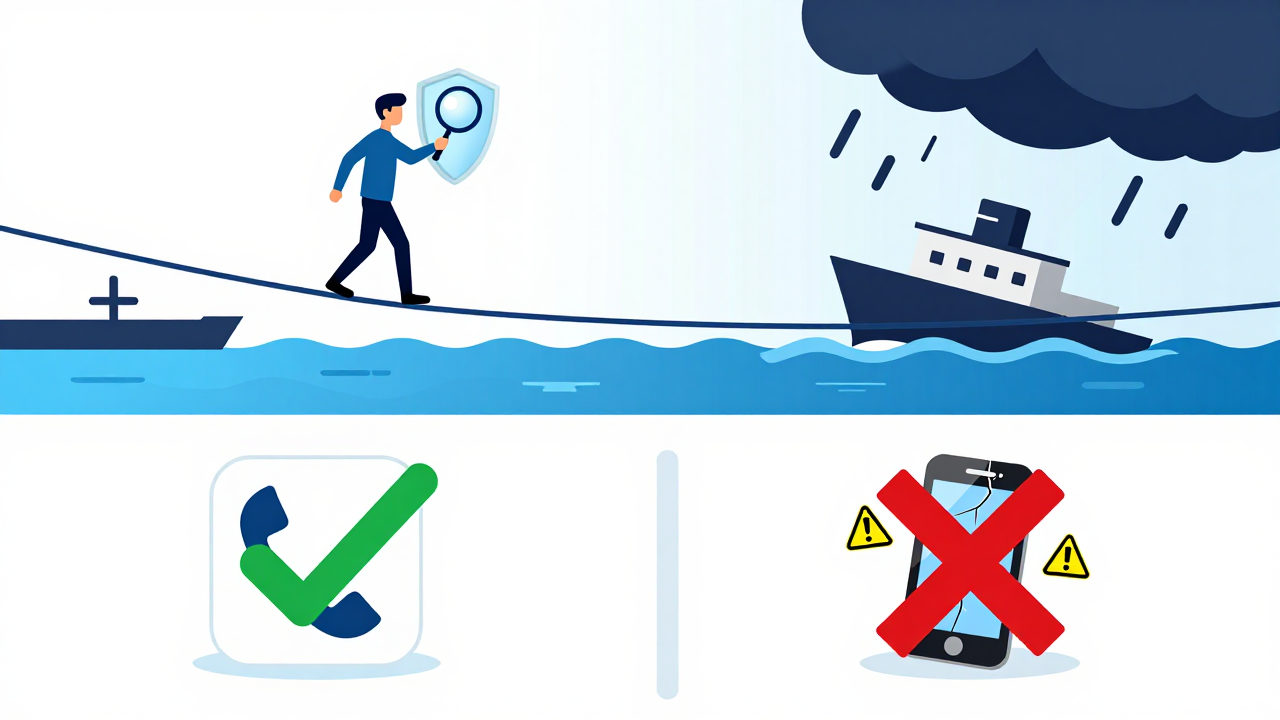
Last year, a client testing dropshipping products decided to save a few bucks. He topped up $70 on a budget platform to register Google Voice numbers. Within a week, every account linked to those numbers was forcibly terminated. Worse, his ad accounts got caught in the crossfire—with over $3,000 in unused ad spend locked inside. The investigation traced it back to the platform selling number blocks to black-hat operators, which got the entire IP range blacklisted by Google. Classic case of penny-wise, pound-foolish. My advice: stability should always trump price when choosing a verification provider. Especially for bulk operations, run a small test batch first, monitor survival rates for a week, and only then commit to a long-term partnership.
How to Vet a Virtual SMS Verification Provider Like a Pro
If you're going to spend money on this service, spend it wisely. Here are the hard criteria I've developed through trial and error—not the generic "check credentials and reviews" advice you see everywhere.
- Customizable number origins: If your primary market is the US, does the platform let you specify states or area code prefixes? If numbers are randomly assigned, the pool is likely mixed-use, and purity is questionable.
- API access: For teams running at scale, manually copying and pasting verification codes is a productivity killer. Platforms with API support enable automated registration flows and reduce human error.
- Responsive after-sales support: Verification failures are inevitable. What matters is whether the platform issues refunds instantly or drags its feet. Many platforms have no-refund policies after top-up—a red flag you shouldn't ignore.
- Transparent recycling policies: Ask customer service directly: "How long after use is a number recycled?" If the answer is vague, or the recycling window exceeds 24 hours, that number is likely being resold. High risk.
One subtle detail I've noticed: legitimate platforms typically include a clause in their terms of service prohibiting illegal use, and they require real-name verification. This isn't just about compliance—it's a filtering mechanism. It weeds out bad actors and protects the number environment for legitimate users. If a platform doesn't even require basic identity verification, ask yourself: who else is using those numbers?
On pricing, there's no industry standard, but the general consensus is that $0.07 to $0.28 per verification code is the normal range. Anything significantly cheaper is almost certainly recycled or blacklisted numbers. Anything more expensive isn't worth it unless there's a special number resource involved. My recommendation: start with the minimum top-up, test 10 to 20 numbers, evaluate success rates, response times, and downstream account stability—then decide on a long-term arrangement.
At the end of the day, virtual SMS verification is a business built on trust. The provider you choose determines how far your accounts can go. Instead of spending hours appealing bans and nursing accounts back to health, vet your source properly from day one. Remember: test small, scale slow, and prioritize stability over savings. That's the only reliable formula for risk-free cross-border operations.
Frequently Asked Questions
Is virtual SMS verification legal for registering overseas accounts?
Yes, using virtual numbers for account registration is legal in most jurisdictions. However, platforms may have their own terms of service regarding virtual numbers. Always check the platform's policy to avoid unnecessary account restrictions.
How long does a virtual SMS verification number stay valid?
It depends on the provider. Quality platforms recycle numbers within 1 to 24 hours after verification, while lower-tier services may keep numbers in circulation for days—significantly increasing your risk of account association.
Can I use the same virtual number for multiple platform registrations?
Technically possible, but highly discouraged. Using the same number across multiple platforms creates a link between those accounts, which can trigger cross-platform bans if one account gets flagged.
What's the difference between a free SMS verification site and a paid service?
Free services typically use public or heavily shared number pools, which are almost always flagged by major platforms. Paid services with proper number management and cooldown mechanisms offer significantly higher success rates and better long-term account stability.