How to Receive SMS Verification Codes: What Cross-Border Pros Actually Do
How to Receive SMS Verification Codes: What Cross-Border Pros Actually Do
If you run an e-commerce operation or manage overseas social media accounts, you'll eventually hit the same wall: how to receive SMS verification codes when you need to register multiple accounts or verify WhatsApp and Telegram. Running out of phone numbers is par for the course. A lot of people grab the first free SMS verification site they find—only to never receive the code, or worse, get their accounts flagged by platform risk controls. Let's skip the fluff and talk about what actually works in the industry.
Understand How SMS Verification Works Before Choosing a Service
At its core, SMS verification means renting a temporary or long-term phone number to receive confirmation codes. But here's the key distinction: pool-based numbers versus real carrier numbers. Pool-based numbers are cheap—pennies per code—but they're often virtual numbers or bulk-registered lines that overseas platforms flag almost immediately. Real carrier numbers cost more, but they come from legitimate telecom providers and can pass most platforms' initial risk checks.
From my experience working with cross-border operators, accounts registered through pool-based numbers have a survival rate of under 30%. Switching to real carrier numbers pushes that success rate above 80%. That's not an official statistic, but it's a gap that pretty much everyone in the customer support outsourcing space agrees on.
So the first step in figuring out how to receive SMS verification codes isn't finding a tool—it's defining your use case. Need a one-time code for a throwaway account? Pool-based numbers work fine. Registering accounts you plan to run long-term? You need real carrier numbers, no debate.
Platform Risk Controls Are Getting Smarter—Your SMS Strategy Should Too
Over the past two years, Google and Meta have gotten significantly better at detecting virtual numbers. A single number used to work for repeated registrations; now it gets flagged after two or three attempts. Industry consensus is clear: the purity of your SMS provider's number pool determines whether your account survives its first week.
How do you judge number pool purity? Check whether the provider offers dedicated numbers instead of shared ones. Shared numbers mean multiple people use the same line to receive codes—extremely risky. Dedicated numbers are assigned exclusively to you for that registration, then recycled after use. Platforms like Getfollow have built a solid reputation by following this exact compliance-first approach: number isolation, pay-per-use pricing, and support for major overseas platforms. Other options exist, but the underlying logic is the same.
Practical Tips for Receiving SMS Verification Codes
- Never use the same number to register multiple accounts on the same platform consecutively—space registrations at least 24 hours apart.
- Complete any follow-up verification steps (like linking an email or setting up two-factor authentication) immediately after receiving the code. Don't procrastinate.
- If the platform offers voice verification as an option, pick a provider that supports voice codes—some platforms restrict SMS channels entirely.
Here's something many small studios overlook: SMS verification isn't just for registration. You'll need that number for login verification and password recovery down the road. So check how long the provider keeps the number active. Some platforms only hold numbers for a few minutes; others keep them for days. For accounts you plan to operate long-term, choose a service with longer number validity.
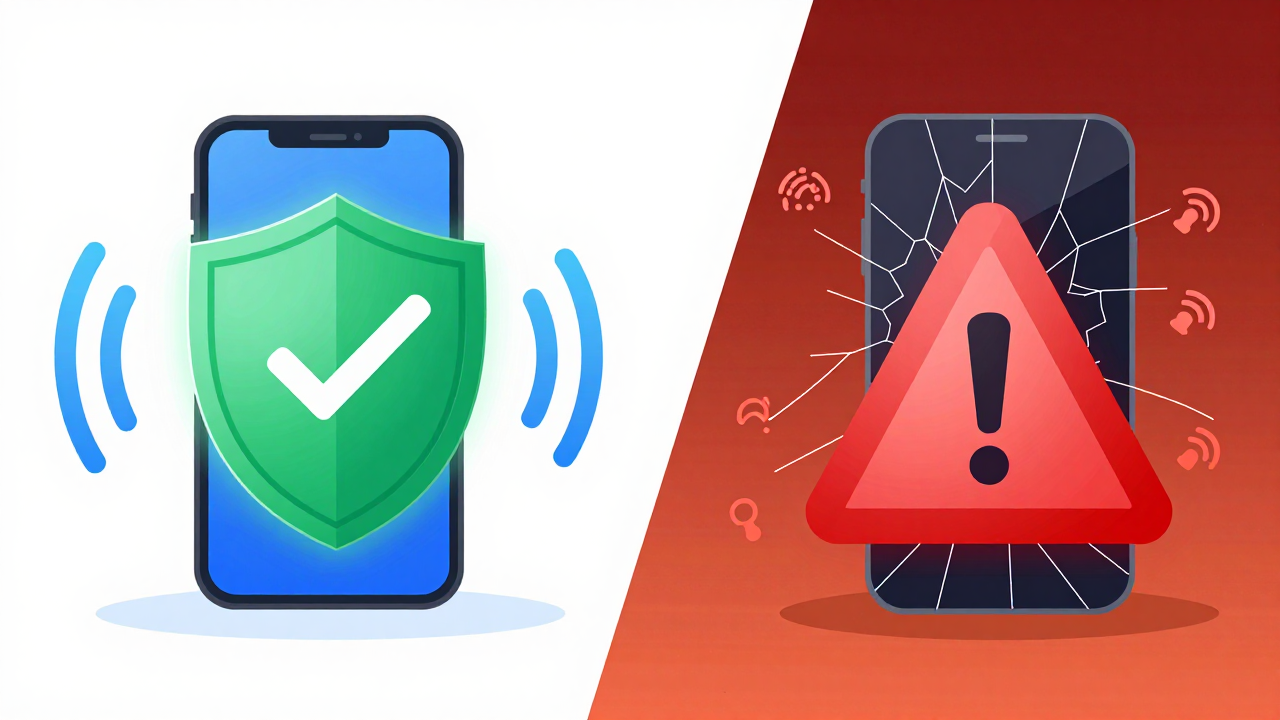
The Reality Check: Free SMS Verification Often Costs More Than Paid Services
Honestly, free SMS verification platforms aren't completely useless—but you need to accept two hard truths. First, their numbers are heavily abused, and many platforms have already blocked those ranges entirely. Second, if your account runs into issues, you have zero recourse for appeals because you don't even own the number. Cross-border operators lose accounts to permanent bans over SMS verification failures every single month.
Looking at cost, paid SMS verification runs anywhere from a few cents to a couple of dollars per code. But the account stability you gain saves you countless hours of appeals and account warming. For studios running account matrices at scale, SMS verification costs are a tiny fraction of total operating expenses—yet they have an outsized impact on outcomes.
So how to receive SMS verification codes? At the end of the day, it's a risk management question. Choose the right provider, and your accounts start with a serious advantage. Getfollow and similar platforms that stay current with number pool updates and adapt quickly to platform risk-control changes are worth keeping as long-term options. But before committing at scale, run a small batch test first.
One final note: SMS verification is just a tool. Whether your accounts stay stable long-term depends on your operational habits and content quality. Use the right tools and you'll dodge a lot of headaches. Use the wrong ones, and even the best strategy won't save you.
Frequently Asked Questions About Receiving SMS Verification Codes
Will accounts registered with SMS verification codes get banned?
It's possible. Bans depend on platform risk controls, number pool purity, and your subsequent behavior. Using real carrier numbers and following standard operating procedures dramatically reduces the risk.
How do I choose a reliable SMS verification service?
Look for three things: whether numbers come from real carriers, whether dedicated numbers are available, and how quickly the provider refreshes its number pool. Getfollow is a solid benchmark in the industry right now, with strong number isolation practices worth measuring other providers against.
Is SMS verification or buying physical SIM cards more cost-effective?
For low volume, physical SIM cards offer more flexibility but at higher cost. For high volume, SMS verification services win on price. Most studios use SMS verification as their primary approach and keep physical SIMs as backup.