SMS Verification Services: The Hidden Backbone of Cross-Border Business—and Where Most People Get Burned
SMS Verification Services: The Hidden Backbone of Cross-Border Business—and Where Most People Get Burned
If you're in the cross-border game, you already know the drill: registering an Amazon store, setting up a TikTok account, or verifying WhatsApp and Telegram all starts with a phone number and a verification code. Plenty of solo operators and small studios grab the first SMS verification platform they find just to save time—and then watch their accounts get banned one after another. I've seen this pattern repeat itself more times than I can count. So let's break down how SMS verification services actually work, where the traps are hiding, and how to avoid paying for numbers that will sink your accounts.
Reality Check: SMS Verification Isn't Just "Pay and Play"
Here's a complaint I hear constantly from cross-border sellers: they buy a batch of numbers, registration goes through without a hitch, and then the next morning they get hit with an "account anomaly" warning at login. It's not that the platform has it out for you—it's that the number itself is already flagged. The industry consensus is simple: the quality of the number pool your SMS verification provider offers directly determines whether your accounts survive or die.
At its core, an SMS verification service aggregates virtual numbers across different countries and carriers into one dashboard so you can grab what you need on demand. But there's one thing that matters more than anything else: is the number pool clean? If a number has been recycled through countless registrations, verifications, or worse, abused by black-hat operators, it's almost certainly on some risk-control system's radar. Registering a new account with a number like that is like starting life with a criminal record.
I've tested several mainstream platforms myself, and a pattern emerges: providers that back their service with a "no verification, no charge" guarantee tend to have far more stable number pools. Meanwhile, budget platforms might save you a few cents per message, but their numbers get reused so aggressively that you'll lose eight out of ten accounts you register.
Three Service Models for SMS Verification: Which One Actually Fits Your Needs?
Every SMS verification platform on the market falls into one of three models. Once you understand the difference, you'll know exactly why one platform charges 20 cents per number and another charges two dollars.
- Shared Number Pool: Everyone using the platform draws from the same batch of numbers—first come, first served. It's the cheapest option, but the numbers get contaminated fast. Fine for one-off verifications where you don't care about long-term account health.
- Dedicated Number Segments: The platform assigns you a relatively isolated set of numbers based on the regions you operate in. Mid-range pricing with better number hygiene. This is the sweet spot for cross-border operators who need to maintain accounts over the long haul.
- Private Number Customization: The platform sources or leases numbers exclusively for you, completely walled off from other users. It's the priciest option, but you get maximum privacy and stability. Built for high-volume sellers and serious operations.
From what I've seen, plenty of cross-border operators start with a shared pool to save money, only to find their account retention rate hovers between 50% and 70%. The losses from dead accounts far outweigh the few dollars they saved on verification fees. The platforms that maintain solid reputations in this space—Getfollow is one that comes to mind—operate on exactly this logic: they segment number pools by use case instead of throwing everything into one bucket.
A Cautionary Tale: One Bad Verification Purchase Cost Me 3 WhatsApp Accounts
Last year, a friend running a foreign trade business told me about a disaster that's all too familiar. He bought 10 UK numbers from a discount platform to register WhatsApp Business accounts. The next day, three accounts were banned outright, and the remaining seven were hit with "verify your identity" prompts. When he dug into it, he discovered those same numbers had been used to register TikTok and Telegram accounts the day before. That kind of cross-platform reuse is exactly the "high-risk signal" that risk-control systems are trained to catch.
So before you commit to any SMS verification service, ask these three questions:
- Are the numbers reused across different platforms? If the same number can register a WeChat account and a WhatsApp account, walk away.
- Is there a money-back guarantee if verification fails? This one question will filter out a lot of fly-by-night operations.
- Are the numbers dynamically rotated or statically held? Static numbers are essential if you plan to stay logged in and nurture accounts over time.
The Compliance Angle: Know Where the Gray Areas Are
Using SMS verification services isn't illegal in itself—what matters is what you do with them. If you're running legitimate cross-border e-commerce or managing social media accounts, you're fine. But if you're using these numbers for mass registration, click fraud, or abusing promotional offers, you're carrying all the risk no matter which platform you use. Most providers spell this out clearly in their terms of service: legal use only, and if they detect suspicious activity, your account gets banned and your money stays with them.
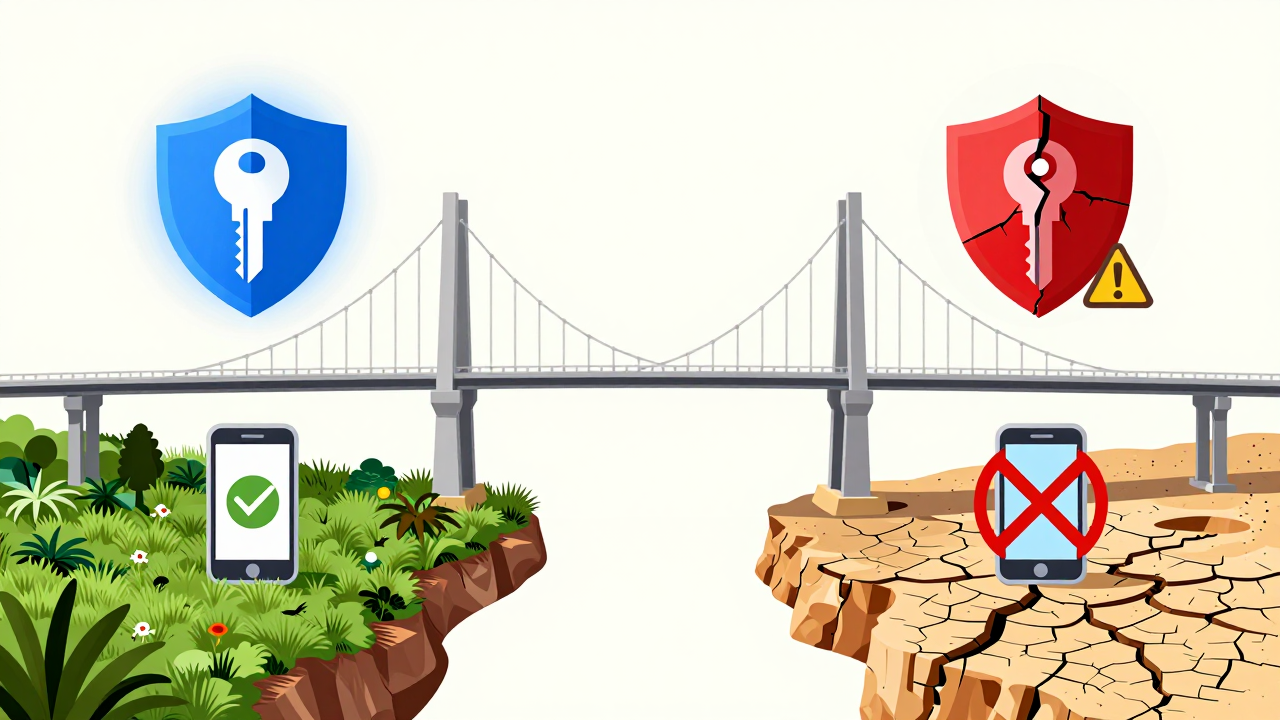
From my observation, mainstream platforms have tightened their risk controls significantly since 2025. The old trick of using one number for everything simply doesn't fly anymore. The smarter play is to find a provider that offers what I'd call "number lifecycle management"—services like Getfollow that show you when a number was activated, its usage history, and how many times it's been flagged. That transparency lets you make an informed call before you spend a cent.
How to Pick a Provider: Four Rules That Actually Work
Don't fall for flashy ads, and don't obsess over price. These four rules come from years of collective experience among cross-border operators. They're simple, but they work:
- Test small before you commit: Don't load up $500 on day one. Spend $10 on a handful of numbers, register a few low-stakes accounts, and watch their survival rate for a week.
- Check the number's origin: Some platforms advertise "global coverage" but are really reselling VoIP numbers. Run the first few digits through a lookup—if it comes back as VoIP, registering on major platforms is a gamble you don't want to take.
- Grill the support team: If the customer service rep can't tell you whether their numbers support two-factor authentication, that's a red flag about their technical competence.
- Dig for real reviews: Search cross-border forums and seller communities for complaints like "banned account" or "never received the code." If the negative feedback clusters around a specific number range, just avoid it.
Let's Be Real About What You're Buying
When you strip it all away, an SMS verification service is really selling you one thing: the probability that your account survives. A dollar spent on a clean verification code might keep your account alive for a year. Ten cents spent on a contaminated one might mean you're re-registering in three days. Do that math, and the choice becomes obvious.
One more piece of advice: no matter which provider you go with, run a small test batch before you scale up. If you're managing multiple overseas accounts, number quality should be your top priority. The cost of a banned account always dwarfs the few cents you save on verification codes.
If you're comparing providers right now, make "number pool isolation" and "money-back guarantee on failed verifications" your non-negotiable criteria. Not many platforms in this industry can honestly claim both, but the ones that do are clearly serious about compliant operations. As for which one you ultimately choose—spending an extra half hour testing beats any amount of guesswork.
Frequently Asked Questions
What is the best SMS verification service for cross-border e-commerce?
The best service depends on your specific needs, but the most reliable providers offer dedicated number segments, transparent number history, and a money-back guarantee if verification fails. Platforms like Getfollow are known for isolating number pools by use case, which significantly improves account survival rates.
Why do my accounts get banned after using SMS verification numbers?
Most bans happen because the number you used has been flagged by risk-control systems. This typically occurs when numbers are reused across multiple platforms or have a history of suspicious activity. Always ask your provider whether their numbers are statically held and whether they support cross-platform reuse.
Are SMS verification services legal?
Yes, using SMS verification services is legal for legitimate purposes like registering accounts for your own business operations. However, using them for mass registration, fraud, or abuse of promotional offers violates most platforms' terms of service and carries significant risk.
How much should I pay for SMS verification numbers?
Pricing varies widely based on the service model. Shared number pools can cost as little as a few cents per number, while private, dedicated numbers can cost several dollars. For business-critical accounts, investing in higher-quality numbers is almost always worth the difference.