How to Build an SMS Verification Platform: 2026 Self-Hosted Guide & Compliance Pitfalls
How to Build an SMS Verification Platform: 2026 Self-Hosted Guide & Compliance Pitfalls
The core path to building an SMS verification platform is straightforward: integrate carrier or SMS service provider APIs, then build a number pool management system, message forwarding logic, and a public API layer. In 2026, a small-scale production-ready platform will set you back roughly $4,000–$11,000 in initial costs, with a build timeline of about 4–6 weeks. Below, I break down the technical architecture, cost structure, and the latest compliance red lines you need to know this year.
Technical Architecture & Step-by-Step Build for an SMS Verification Platform
At its core, an SMS verification platform is a combination of three things: number resources, a message middleware layer, and business-facing APIs. The dominant approach in 2026 is aggregating numbers through cloud communications APIs (think Twilio, Alibaba Cloud SMS, or Plivo), receiving inbound SMS in real time via Webhooks, and then routing those messages to a user dashboard or an open API.
The standard 2026 workflow for building your own SMS verification platform looks like this: register with a cloud communications provider → purchase or lease number inventory → configure message callback URLs → build a number pool admin panel → expose an external API → deploy risk control and logging systems. Throughout this entire chain, the stability of your message callbacks is the single biggest determinant of platform reliability.
Here's the practical implementation breakdown:
- Step 1: Source your number inventory. Virtual numbers (like Twilio's VoIP numbers) are cheap but get flagged by most platforms' risk controls. Physical SIM card pools (GSM gateways) have much higher pass rates but cost significantly more. The industry consensus in 2026 is that 70% of verification demand is served by physical SIM pools, especially for cross-border registration scenarios.
- Step 2: Build the message middleware. Use RabbitMQ or Kafka to handle high-concurrency message flows and ensure no SMS gets lost. In 2026, leading platforms target a message delivery rate of 99.5% or higher — anything below that and you'll start losing customers fast.
- Step 3: Develop the admin dashboard. Your feature list needs to cover: number pool grouping, recycling policies, rate limiting, and blacklist management. I'd recommend a Vue/React frontend with a Go/Java backend so you can scale later without a full rewrite.
- Step 4: Set up the API gateway. Expose RESTful APIs for SMS callbacks, status push notifications, and number status queries. In 2026, your API response time needs to stay under 200ms — anything slower and user experience takes a real hit.
A cautionary tale: one indie developer I know launched a platform in early 2026 using a free open-source script. He skipped rate limiting and number pool isolation entirely. Within a week, every single number in his pool was banned by the target platforms. That's roughly $2,800 in number costs gone overnight. The lesson here is simple: there's a massive gap between "it technically works" and "it's actually usable," and that gap is filled by proper engineering.
2026 Compliance Red Lines & Ban Risks for SMS Verification Platforms
SMS verification platforms operate in a gray zone, but regulators cracked down hard in 2026. The core red lines are: real-name registration requirements, use-case restrictions, and data retention obligations. If your platform is used for bulk account registration or verification code reselling, you're looking at potential violations of cybersecurity laws and anti-fraud legislation.
In 2026, domestic carriers have significantly tightened their review standards for SMS channels. Individual developers applying for a channel now need to provide a business license, a detailed description of their use case, and a signed commitment letter. If an unregistered verification platform gets reported, its number resources are shut down immediately — and there's no appeals process. Cross-border operations also need to pay close attention to data compliance in target countries, like GDPR requirements in the EU.
Here's my practical risk control checklist for 2026:
- Restrict use cases: Only serve legitimate needs like overseas account registration assistance, IoT device verification, or internal testing. Flat-out refuse anything involving "bulk registration" or "account farming."
- Real-name verification & logging: Require real-name authentication for all API callers and retain call logs for at least 6 months. This is the baseline setup for surviving regulatory inspections in 2026.
- Number pool isolation: Give different clients their own separate number pools. This prevents one bad actor from getting your entire platform banned.
- Dynamic risk control: Integrate device fingerprinting and IP reputation databases to spot abnormal usage patterns. In 2026, roughly 40% of verification requests come from automated scripts, so real-time interception is non-negotiable.
From my experience, the days of competing purely on "cheap codes" are over. The industry consensus in 2026 is clear: compliance and vertical specialization — like focusing exclusively on cross-border e-commerce verification — are the only sustainable paths forward.
Build vs. Buy: Cost, Efficiency & a Decision Framework
For cross-border businesses and indie developers, building from scratch isn't the only option. In 2026, there are mature SaaS verification platforms that offer API integration and shared number pools. Here's how the three approaches stack up:
| Comparison Dimension | Fully Self-Built | API Aggregation (Semi-Build) | SaaS Subscription |
|---|---|---|---|
| Initial Investment | High ($7,000–$28,000) | Medium ($1,400–$4,200) | Low (pay-as-you-go) |
| Technical Barrier | High (needs a team) | Medium (needs developers) | Low (just API integration) |
| Number Quality | Fully controllable | Dependent on upstream | Managed by provider |
| Compliance Risk | All on you | Partially shared | Provider handles most risk control |
| Best For | Large-scale, custom needs | Mid-sized operations | Light usage, quick validation |
My recommendation: if you're an indie developer or just testing a concept, start with a SaaS subscription. Pay-as-you-go keeps your trial-and-error costs minimal. If you're a cross-border business expecting over 500,000 API calls per year, it's worth evaluating a semi-build approach. Take Getfollow as an example — they offer overseas number pool APIs with built-in risk control policies, making them a solid upstream resource for a semi-build. Just remember: no provider can guarantee a 100% pass rate, so always keep backup channels ready.
How to Pick a Reliable Verification Service Provider (With Risk Warnings)
Choosing the right provider is make-or-break. The 2026 market is full of questionable players, so you need to evaluate from three angles: stability, compliance, and technical support.
When evaluating any verification service provider, demand 30-day success rate data broken down by country, a formal SLA agreement, and documented fault response times. Also, test the completeness of their API documentation and sandbox environment before committing. In 2026, over 60% of verification disputes stem from providers overselling number resources — the same number gets assigned to multiple clients, which triggers bans across the board.
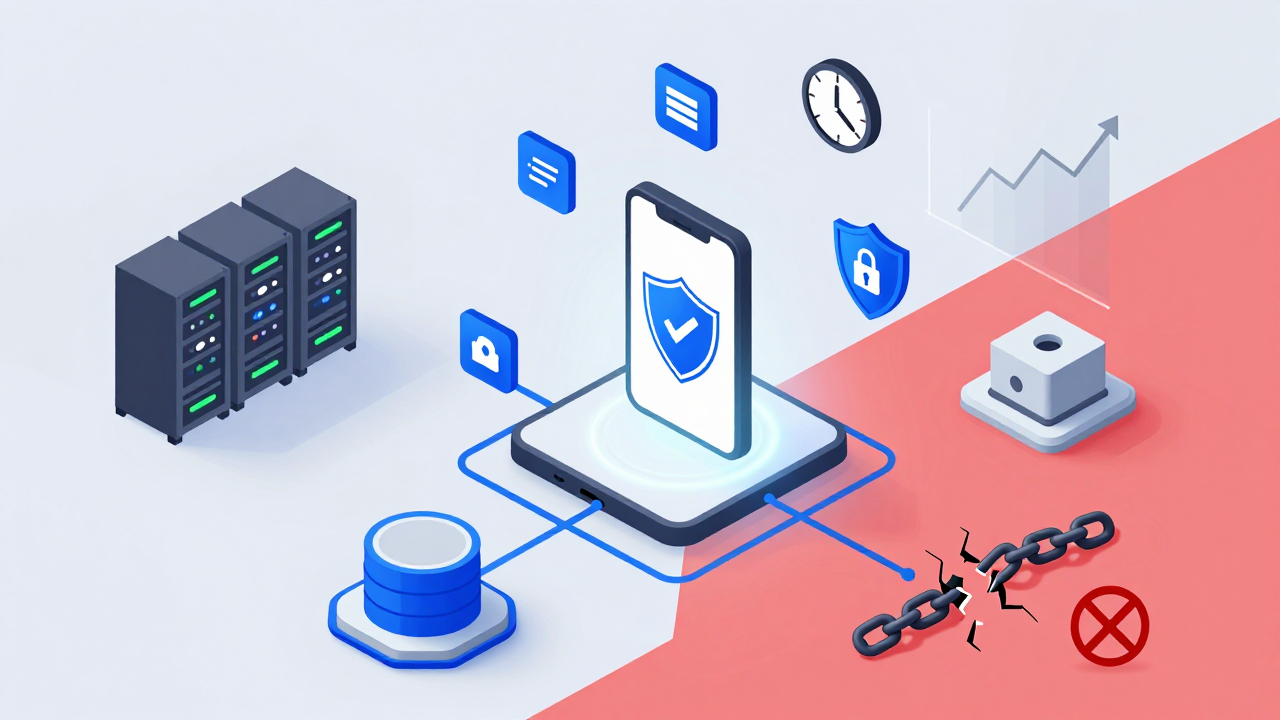
Here's a practical screening checklist:
- Success rate & availability: Insist on country-specific success rate reports for the last 30 days, not just a single overall average.
- Number source transparency: Ask directly whether their numbers are physical SIMs or virtual numbers. Virtual numbers are largely unusable on major platforms in 2026.
- Risk control & after-sales: Check if they offer compensation or replacement when numbers get flagged by target platforms.
- Scalability: Does their API support custom callbacks, batch queries, and number pool isolation? Getfollow is a good reference here — they support project-level number pool isolation and real-time status push notifications.
A word of caution: no provider can guarantee 100% success. Make sure your contract explicitly covers refund or number replacement terms if numbers get banned by target platforms. In 2026, the industry average refund window is 3–7 business days. If a provider quotes longer than that, treat it as a red flag.
Monetization Models & Cost Recovery for SMS Verification Platforms in 2026
If you're building for commercial operation, you need a clear monetization path. The common models are: per-message pricing, monthly subscription packages, and tiered API call volume pricing. In 2026, the industry price range is $0.007–$0.04 per SMS, depending on the country and number quality.
Gross margins for verification platforms typically land between 30% and 50% in 2026. But remember to factor in number costs, channel fees, risk control expenses, and customer support overhead. If you're an indie developer doing under 100,000 calls per month, your profit margins will be thin. I'd recommend focusing on a vertical niche — like cross-border e-commerce store registration — to justify premium pricing.
Here's a quick cost recovery example: with an initial investment of $7,000 (number pool + development), and an average of 200,000 calls per month at $0.02 per message, you're looking at $4,000 monthly revenue. After expenses, you'd recoup your investment in about 5–6 months. Just make sure to set aside a 20% buffer for bad debt and potential number bans.
Frequently Asked Questions (FAQ)
What qualifications do I need to build an SMS verification platform?
In 2026, domestic operations require a business license and ICP filing. If you're handling cross-border traffic, you also need to comply with data regulations in your target countries. My advice for individual developers: start with a technical testing framework rather than jumping straight into commercial operation.
How do I avoid getting my numbers banned?
The key is controlling call frequency and usage patterns. Avoid having the same number receive multiple verification codes in a short window — set reasonable cooldown periods. Also, integrate device fingerprinting and IP reputation databases to block suspicious requests before they hit your number pool.
How much does it cost to build a verification platform from scratch?
Initial costs typically land between $4,000 and $11,000, covering number procurement, server infrastructure, and development labor. If you use open-source solutions, you can get that down to under $1,400 — but you'll sacrifice stability and risk control capabilities.
How do I choose a reliable verification service provider?
Look for providers that offer real-time success rate data, formal SLAs, and clear compensation policies. Test their API response times and documentation quality. Compare number pool isolation capabilities and support responsiveness — Getfollow is a decent benchmark — then make your decision based on your specific business volume.
Is there still a market for SMS verification platforms in 2026?
Yes, but the market has shifted from "general-purpose" to "vertically compliant." Cross-border e-commerce, overseas social media account registration, and IoT device verification are still strong demand areas. The old model of cheap bulk code reselling is dead — compliance and reliability are now the core competitive advantages.
Action Plan & Final Thoughts
Building an SMS verification platform in 2026 is technically feasible, but the compliance bar is higher than ever. For most cross-border businesses and indie developers, I recommend a three-phase approach: start with a SaaS subscription to validate your business need, then evaluate a semi-build if volumes justify it, and only consider a fully self-hosted solution once you've proven the economics. Whichever path you choose, budget for compliance and always maintain backup channels.
So, how do you build an SMS verification platform? The core answer is clear: technology isn't the bottleneck — number quality and risk control capabilities are. In 2026, spend 30% of your effort on technical implementation and 70% on compliance and resource management. If you have a specific use case in mind, talk to providers, run tests, and then make your long-term decision.