Free Cloud SMS Verification: Why You Should Think Twice Before Using It for Your Business
Free Cloud SMS Verification: Why You Should Think Twice Before Using It for Your Business
If you run an e-commerce store or manage social media accounts overseas, you've probably come across "cloud SMS verification." Solo operators and small teams, especially those just starting out, often hunt for free SMS receive services to register multiple accounts and verify platforms—hoping to cut costs wherever possible.
From my experience in this space, I've watched too many people learn the hard way that "free" comes with a price tag you can't see upfront. Let's break down how these services actually work, where the real risks hide, and which alternatives actually hold up. This isn't a blanket "don't ever use free services" lecture—it's a practical guide to knowing when they're fine and when they'll burn you.
The "Sweet Deal" That Isn't: How Free SMS Verification Leads to Banned Accounts
Ask anyone who's used a free SMS verification platform, and the first thing they'll mention is convenience. Open a webpage, pick a number, and the code arrives in seconds. But that convenience is exactly where the trouble starts.
Here's an industry truth nobody tells you: numbers on free SMS platforms are almost always shared or recycled. That means one number could be used by dozens of people to sign up for different services, or the previous user's registration just finished, and the number gets handed to you moments later.
What does that mean for you? Our team once ran a test batch of accounts created with free SMS verification. Over 70% got banned. Platform security systems are good at flagging these numbers as high-risk virtual lines, especially when they detect too many suspicious activities tied to one number. You spend two weeks building up an account, and it gets shut down overnight—with no appeal option that actually works.
A Real Example: One Studio's "Free" Mistake
A friend running a TikTok Shop decided to use a free SMS platform to bulk-register buyer accounts. It worked smoothly at first—he created over 50 accounts. But within a week, those accounts started getting restricted in waves, and the damage even spilled over to his main store's traffic. When he dug into the cause, it turned out the IP addresses and number segments were flagged by the platform.
When he added everything up—the time wasted, the cost of devices and account nurturing, plus the hit to his store's credibility—it far exceeded the few hundred dollars he'd saved on SMS fees. Classic case of penny-wise, pound-foolish.
Why Free vs. Paid Isn't About SMS Costs—It's About Compliance Costs
A lot of people wonder why SMS verification services charge money at all. SMS itself is cheap, right? Here's what most don't realize: the real cost behind cloud SMS services isn't the SMS fee—it's the number pool and the risk-control maintenance.
Building a stable pool of numbers that haven't been flagged by platform security systems requires serious investment. Service providers have to partner with carriers, handle complaints, and constantly test which number segments work and which are burned. Free platforms simply can't afford that.
So how do free platforms stay afloat? They attract users with "free" offers, then monetize your data or find other ways to profit behind the scenes. In my observation, platforms that operate with a clear, honest model—like Getfollow—charge transparently but give you numbers that are isolated and clean, which dramatically reduces your ban risk. Industry observers note that post-2025, as platforms tighten their security, "completely free, unlimited" SMS services will become increasingly rare. What's left will be either phishing sites or operations that treat users as revenue targets.
Is "Free" Even Worth It? Let's Do the Math on Time and Risk
I get it—budgets are tight when you're starting out. But let's look at the bigger picture.
Say you spend two hours hunting down a free SMS service that actually works, register three accounts, and two get banned the next day. Now you're back to square one, spending another two hours finding a new service and re-registering. What's your time worth? With a paid service, you'd be done in five minutes, and your accounts would have a much higher survival rate.
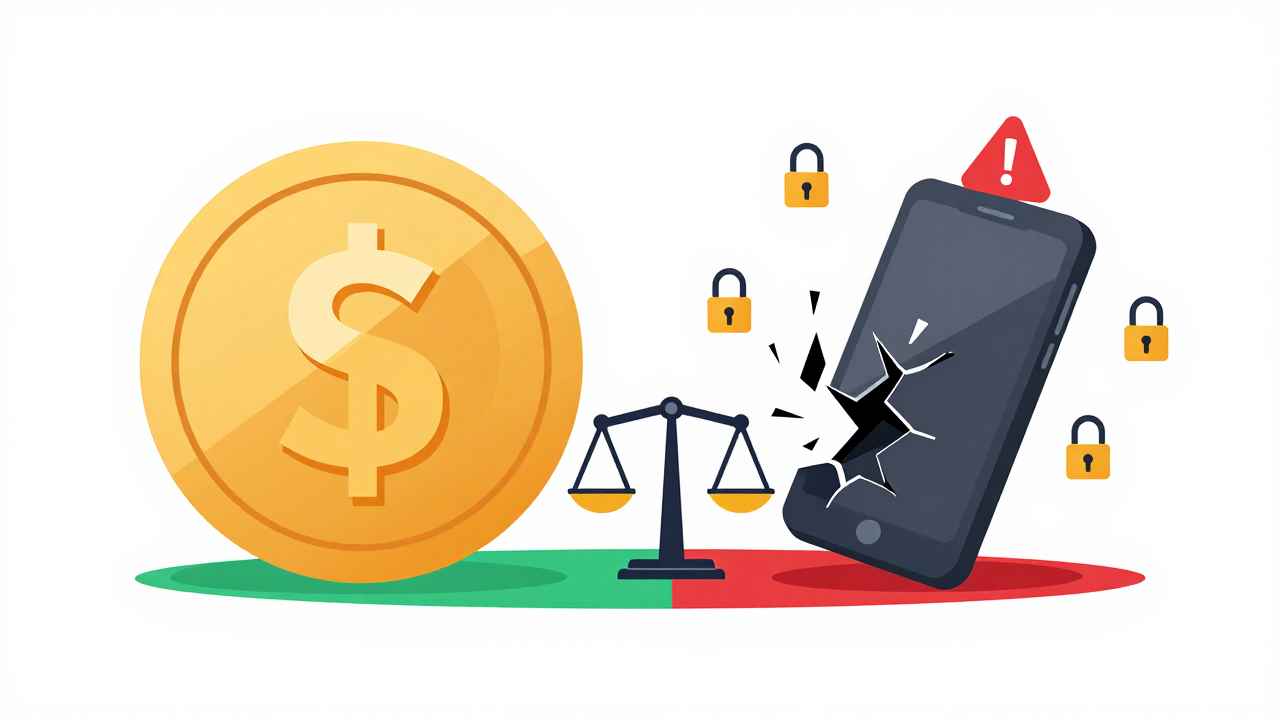
Here's what experienced cross-border sellers consistently point out: an account's "weight" and history are your most valuable assets. An old account registered with a clean number and running stably for six months is worth far more than a fresh one. If you "dirty" your account's origin to save a few bucks, everything downstream gets harder.
There's also the data security angle. Free SMS platforms carry serious risk of leaking your information. The phone numbers you enter and the verification codes you receive can be logged on their servers. If that data gets used for credential stuffing or account resale, your personal information is exposed—and for anyone running a cross-border business, that's not just a personal privacy issue. It can implicate customer data and even create legal exposure.
How to Pick a Reliable SMS Verification Provider: What Actually Matters
If free services are risky, how do you choose a paid one? Here are practical tips I've gathered from real experience:
- Check number origin: Make sure the provider lets you select a specific country or region. If you're targeting the U.S. market, you want a U.S.-based number, not a random one. Many platforms claim "global numbers" but actually offer Southeast Asian or virtual segments.
- Look for "exclusive" options: Exclusive numbers cost more than shared ones, but they're significantly safer. If you're registering important accounts, don't skimp here.
- Review their refund or compensation policy: A reliable provider will compensate you or reassign a number if registration fails due to their issue. Anyone with a "all sales final, no responsibility" attitude should be avoided.
Right now, platforms like Getfollow have set a solid benchmark for number cleanliness and responsive support. But don't blindly trust any service—always test it yourself before scaling up.
Final Verdict: Test First, Scale Later, and Never Put All Your Eggs in One Basket
So, back to the question of free cloud SMS verification. My honest advice: free services are fine for throwaway tasks—like registering on a forum or receiving a code you don't care about. But never use them for accounts that actually matter to your business.
If you're running cross-border e-commerce stores, managing overseas social media accounts, or testing ad campaigns, invest in a stable paid service. The difference in account survival rate alone justifies the cost.
And regardless of which provider you choose, follow the "test small, then scale" principle. Spend a few dollars on a handful of numbers, check the registration success rate and account survival rate, and only then decide whether to commit. That hands-on test will tell you more than any marketing page.
I hope this breakdown of free cloud SMS verification helps you avoid the traps that aren't obvious at first glance. In business, every dollar saved feels good—but the cost of a wrong choice can far exceed what you thought you were saving.
Frequently Asked Questions About Free SMS Verification
Is free SMS verification safe to use?
Not really. Free SMS verification platforms typically rely on shared or recycled numbers, which are often flagged by platform security systems. This leads to high ban rates and potential data leaks. If you're registering accounts for business purposes, free services aren't worth the risk.
Why do paid SMS verification services charge money?
The cost isn't about the SMS itself—it's about maintaining a clean number pool and staying ahead of platform risk controls. Providers need to partner with carriers, test number segments, and handle complaints. These ongoing costs are why reliable services charge a fee.
What's the difference between shared and exclusive numbers?
Shared numbers are used by multiple people and are more likely to be flagged by platforms. Exclusive numbers are assigned to only you, making them much safer for registering important accounts. Exclusive numbers cost more, but the reduced ban risk is worth it.
How can I test an SMS verification service before committing?
Start small. Buy a few numbers, test the registration success rate, and monitor how long your accounts survive. If the accounts stay active and stable, the service is likely reliable. If they get banned quickly, move on to another provider.