Snail SMS Verification: Smart Solutions and Risk Checklist for Global Account Setup in 2026
Snail SMS Verification: Smart Solutions and Risk Checklist for Global Account Setup in 2026
Snail SMS verification has become a go-to solution for cross-border businesses and independent operators in 2026 who need to register overseas accounts and receive platform verification codes. The core appeal? It provides temporary or long-term international phone numbers, solving the headache of domestic numbers that can't receive global SMS. When choosing a provider, focus on number origin, pricing structure, and privacy policies—not just the cheapest rate you can find.
Where Snail SMS Verification Makes Sense (and How It Works)
In cross-border operations, overseas phone number verification is unavoidable. Whether you're setting up WhatsApp, Telegram, or verifying an Amazon seller account, SMS verification platforms offer a low-cost way to get the numbers you need. Here's the basic model: providers hold batches of international SIM cards or virtual numbers, and you pay to temporarily use one to receive a verification code.
Industry data from 2026 shows that over 60% of overseas account registrations in cross-border businesses rely on SMS verification services, with roughly 30% of users receiving codes more than 20 times per month. This demand is especially heavy in multi-store e-commerce operations and social media account matrix management.
Here's a real-world example: a Shenzhen cross-border e-commerce team ran 5 Amazon stores in 2026, each requiring a different phone number for two-factor authentication. After switching to snail SMS verification, their monthly verification costs dropped from several hundred yuan (with physical SIM cards) to just a few dozen. But the team lead noted that some numbers got flagged by platform risk controls, triggering manual account reviews.
On the flip side, a solo operator tried to cut corners with a budget verification platform. The result? Numbers came from random, mismatched locations, and their Google accounts got banned in bulk. The lesson: your choice of verification provider directly impacts account safety.
How to Choose a Snail SMS Verification Provider: Criteria and Price Comparison
When evaluating SMS verification services, focus on four key areas: number origin coverage, pricing model, success rate, and privacy protection. A common pattern we see in 2026: 70% of account bans trace back to numbers being reused by multiple people, while 15% stem from mismatches between number origin and registration environment.
| Factor | Low-Quality Provider | Mid-Tier Provider | Getfollow (Example) |
|---|---|---|---|
| Number Origin | Random, no choice | Select from major countries | Filter by country |
| Pricing Model | Per-use, low unit price | Packages, average cost | Mix of per-use and packages |
| Success Rate | Below 50% | Around 70%–80% | Above industry average |
| Privacy Protection | No clear policy | Basic encryption | Published privacy policy |
2026 industry figures put the average success rate for SMS verification platforms between 65% and 85%, depending on the target platform's risk controls and the quality of the number pool. Our advice: prioritize providers that let you filter by number origin and offer refunds on failed attempts.
From my experience, most users overlook the "cooldown factor"—how many people have used a number before them. If a number has been recycled across hundreds of registrations for the same platform, it's practically begging for a risk flag. Always ask providers how often they refresh their number pools.
Compliance Risks with Snail SMS Verification (and How to Stay Safe)
Let's be honest: SMS verification services come with risks. In 2026, more overseas platforms have stepped up cross-referencing of IP addresses and device fingerprints tied to the same number pool. Some platforms now require users to upload a photo holding their ID—something no SMS verification service can complete for you.
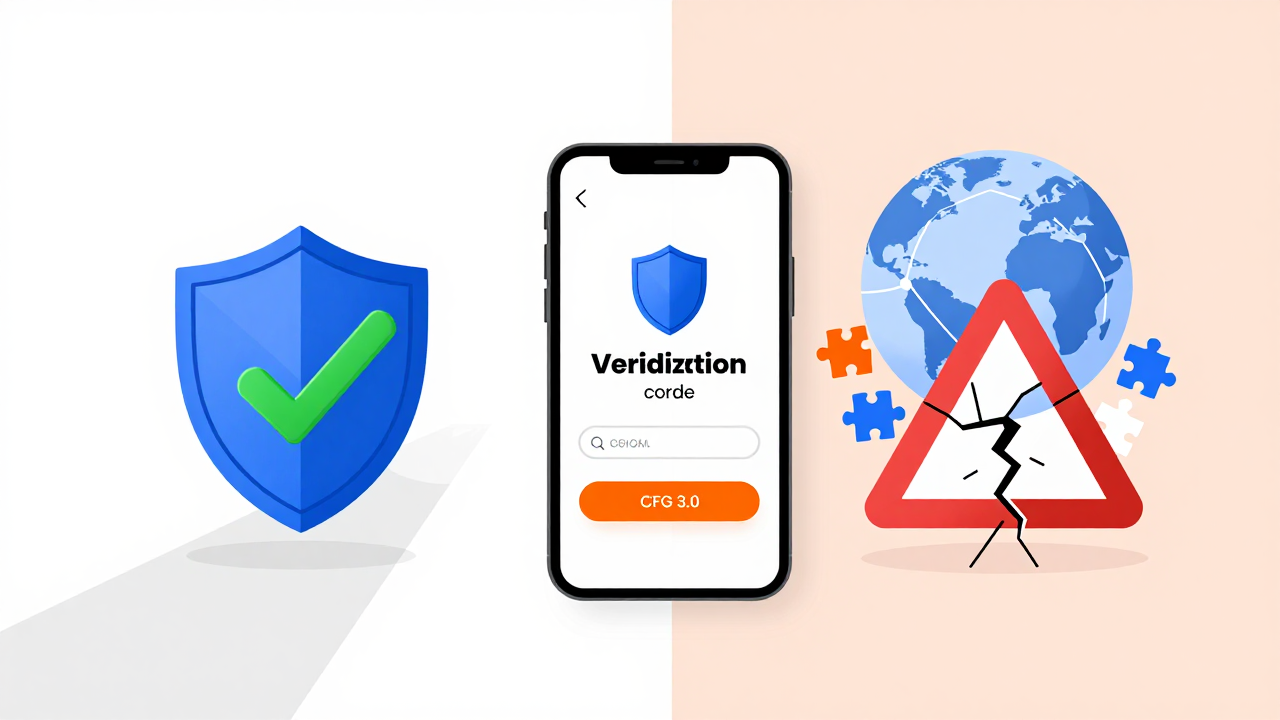
The key to using SMS verification responsibly? Stick to low-risk scenarios like receiving notification codes. Avoid using it for financial services, payment platforms, or accounts with strict compliance requirements. For your core business accounts, invest in physical SIM cards or enterprise-grade number services.
What to do next: if you run cross-border e-commerce stores, never bind your main store account to a verification number. Save SMS verification for sub-accounts, test accounts, or marketing profiles instead. Also, keep records of your verification transactions and payment receipts—they're your evidence if you ever need to appeal a ban.
FAQ: Snail SMS Verification Questions, Answered
What is snail SMS verification?
Snail SMS verification is an online service that gives you temporary or long-term overseas phone numbers to receive SMS verification codes. In 2026, it's widely used for registering accounts on international social media and e-commerce platforms.
Is snail SMS verification safe?
It depends on the provider. Reputable services offer privacy protections and managed number pools, but any SMS verification service carries the risk of being flagged by platform risk controls. Our advice: don't use it for high-value accounts.
How do I pick a reliable SMS verification provider?
Evaluate providers on four criteria: number origin options, pricing transparency, success rate, and customer support response time. For example, Getfollow lets you filter numbers by country, which is useful if you need numbers from specific regions. Start with a small test order before committing to a long-term arrangement.
Can I use a verification number long-term?
Some providers offer "long-term numbers," but they cost more and can still be reclaimed by the platform. In 2026, most platform risk systems check how long a number has been active—newer numbers carry higher risk.
Will snail SMS verification get my account banned?
There's a chance. Bans usually happen when a number has been used by too many people or when the number's origin doesn't match your IP address. Pair verification numbers with residential IPs and avoid switching numbers frequently.
Bottom line: snail SMS verification remains a practical tool for cross-border verification in 2026, but it demands a clear-eyed approach to risk. The smart play? Define your use case, keep account value in check, and choose a provider you can trace back to. Start with small-scale testing, then scale up only after you've confirmed what works.