Best SMS Verification Platform 2026: A Cross-Border Buyer's Guide to Avoiding Pitfalls
Best SMS Verification Platform 2026: A Cross-Border Buyer's Guide to Avoiding Pitfalls
After years of working in cross-border e-commerce, the biggest lesson I've learned is that most teams don't fail because of their business model—they fail at the account registration stage. By 2026, platforms have gotten alarmingly good at detecting virtual numbers. You can spend serious money on numbers only to have your accounts flagged the moment they're created.
Finding the official entry point for an SMS verification platform sounds simple, but there's more to it than meets the eye. I've watched too many people chase cheap deals on unofficial channels, only to lose their money, never receive the code, and watch the customer service vanish. Worse, their phone numbers get flagged as high-risk, which poisons every future operation.
What "Official Platform" Really Means in the 2026 SMS Verification Market
Here's what industry insiders agree on: by 2026, SMS verification platforms have evolved far beyond simple "code-receiving" tools. They now involve number segment resources, carrier partnerships, risk-control strategies, and API stability. When we talk about an "official entry point," we're not just talking about a company website—we're talking about a service channel backed by a legitimate, registered operation.
According to feedback from cross-border professionals, at least 30% of platforms claiming to be "official" are actually middlemen. They buy numbers in bulk from upstream suppliers and resell them downstream without any technical moat. Under this model, number quality is inconsistent—codes often don't arrive, verification messages are delayed, and numbers get recycled without warning.
From my own testing across several platforms, genuine official entry points typically share these traits:
- Full ICP filing information visible and verifiable on their site
- Customer support that responds within 5 minutes and can answer technical questions
- Published API documentation for developer integration
- Transparent per-message pricing with no hidden fees
- A clear number-recycling and refund policy
One detail that's easy to overlook: in 2026, many platforms now require real-name verification before you can use their services. This is actually a good sign—it means the platform is moving toward compliance. Platforms that let you sign up and use their service with zero verification should raise red flags. They're likely using black-market number segments that carriers can shut down at any moment.
Cross-Border SMS Verification Needs: It's More Than Just Receiving a Code
Cross-border businesses and independent studios have far more complex needs than the average user. Take registering overseas social media accounts as an example. You need to think about more than just whether you can receive a code:
- Does the number's country of origin match your IP address?
- Does the number support two-factor authentication (2FA)?
- Has the number been linked to other accounts before?
- How long does the number remain active?
The industry standard in 2026 is that many platforms offer "one-time" numbers that expire right after receiving a verification code. That works fine for simple account registration. But if you're running long-term operations—like warming up accounts or binding payment methods—you need services that support "long-term holding" numbers.
I know someone running a dropshipping store who hit a major wall with SMS verification last year. He bought a batch of UK numbers from a small, unknown platform. Everything went smoothly when he registered his TikTok accounts, but the next day, every single one required SMS verification to log in. Since the numbers had already expired, he watched his accounts get frozen one by one. All the time and money he'd invested in warming them up went down the drain.
The lesson here is clear: SMS verification isn't a "buy and forget" transaction. You need to think about verification requirements across the entire lifecycle of your accounts. When choosing a platform, always ask: How long are numbers valid? Can they be renewed? Can I transfer the binding to a new number?
How to Find a Reliable Provider Through the "Official Entry Point"
When people search for an SMS verification platform, their first instinct is to click the top-ranked websites. But in 2026, search engine results pages are flooded with ads and sponsored content. Rankings alone don't tell you much. Here's how I recommend filtering your options:
First, look at payment methods. Legitimate platforms typically support multiple payment options, including credit cards, PayPal, and even cryptocurrency. If a platform only accepts bank transfers or prepaid cards—especially if payments go to a personal account—you can safely assume it's high-risk.
Second, test the customer support team's expertise. Pretend you're having a technical issue and ask about API integration details. If the support agent can accurately explain interface parameters, error codes, concurrency limits, and other technical specifics, the platform has a real engineering team. On the other hand, if the response is vague—"Sorry, we're not sure about that"—move on to the next option.
Third, check number coverage. In 2026, mainstream SMS verification platforms should cover numbers from at least 20 countries and regions. If you need numbers from less common countries—like smaller nations in Africa or South America—platform support becomes critical. Many small platforms only handle popular countries, and niche numbers are either unavailable or absurdly priced.
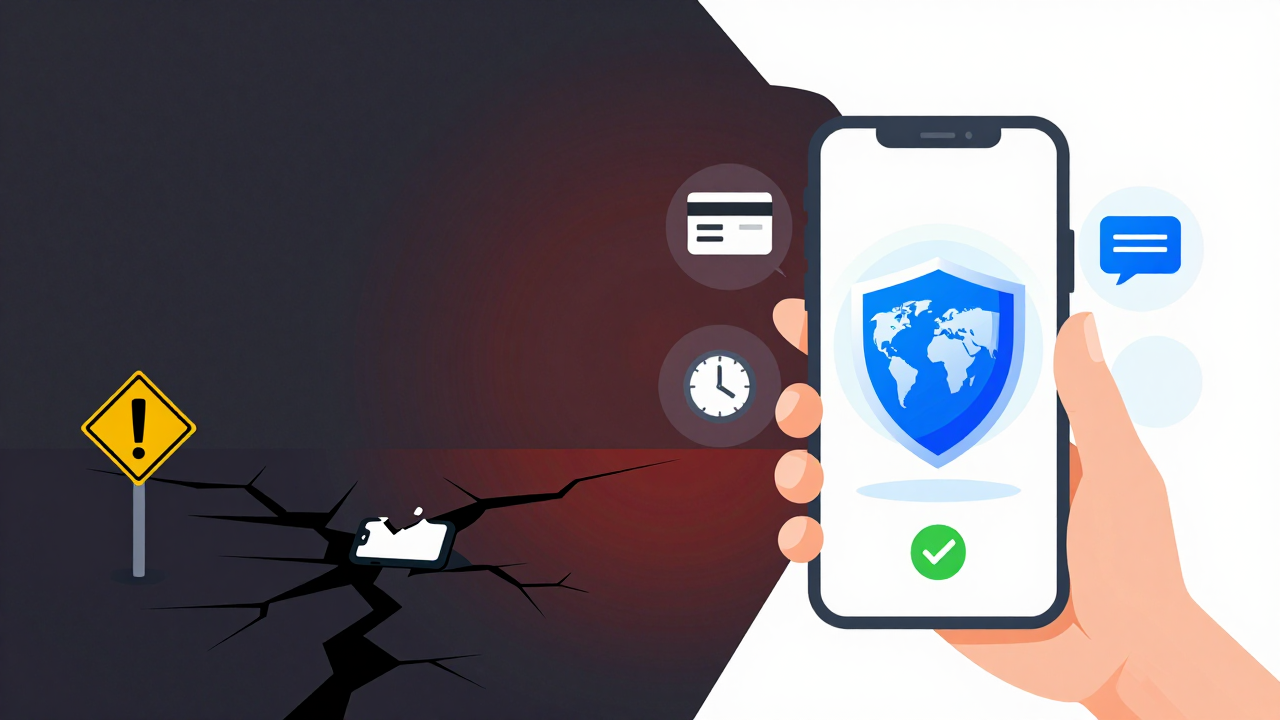
Platforms like Getfollow have built a solid reputation in the industry by following this exact compliance-first playbook. They offer API access, support custom number pool filtering, and let you select specific number segments based on your business needs. That said, Getfollow isn't necessarily the right fit for everyone—it depends entirely on your use case.
Hidden Costs and Risk-Control Red Lines in SMS Verification
Most cross-border operators only look at the price per verification code, completely missing the hidden costs. Industry data from 2026 shows that SMS verification failure rates typically range from 15% to 30%. That means out of 10 numbers you buy, 2 to 3 might be duds. If the platform doesn't offer refunds for failed verifications, that cost comes straight out of your pocket.
Another issue that flies under the radar is risk-control red lines. In 2026, platforms are monitoring virtual numbers more aggressively than ever. If you repeatedly use numbers from the same segment to register on the same platform, you'll trigger batch-registration detection. My recommendations:
- Don't register more than 3 accounts on the same platform using the same number segment
- Choose numbers that match your IP's country of origin whenever possible
- Avoid concentrated registration during late-night hours
- Don't perform sensitive actions immediately after registration—warm up the account for a few days first
These details might seem trivial, but they'll save you a mountain of trouble in practice. I've seen too many people get their accounts mass-banned, then blame the SMS verification platform. In reality, the problem was almost always their own operational mistakes.
SMS Verification Platform Service Models Compared (2026)
| Service Model | Best For | Number Validity | Price Range |
|---|---|---|---|
| One-Time Verification | Quick registration, code receiving | 5–30 minutes | $0.10–$0.50 per code |
| Short-Term Rental | Account warming, payment binding | 1–7 days | $1–$5 per number |
| Long-Term Holding | Stable operations, multi-platform management | 30+ days | $10–$50 per month |
| API Batch Integration | Automated registration, bulk operations | Customizable | Negotiable |
These price ranges reflect common industry feedback for 2026, but actual rates vary by country, number segment, and platform policy. Which model you choose depends on your business scale and operating cycle. For short-term testing, one-time verification is sufficient. For long-term projects, consider long-term holding or API integration from the start.
Real-World Case: How a Studio Lost Thousands on SMS Verification
In Q3 2026, I worked with a cross-border e-commerce team that made a costly mistake. To cut costs, they purchased 100 US numbers from a small SMS verification platform to register seller accounts across multiple e-commerce sites. Within a week, every single account was flagged as linked by the platforms' risk-control systems and mass-banned.
Our post-mortem revealed two root causes. First, the numbers had opaque origins—they'd likely been used by other customers before and were already bound to other accounts. Second, the registration IP addresses didn't match the numbers' country of origin, which triggered the risk rules. This team lost thousands of dollars in operating costs and missed a critical market window.
The takeaway: SMS verification isn't just about "buying numbers." It's a systematic process involving number quality, operational strategy, and risk-control avoidance. When selecting a platform, always understand where their numbers come from and how they clean them. Legitimate platforms regularly purge their number pools to ensure numbers haven't been abused.
Frequently Asked Questions About SMS Verification Platforms
Are SMS verification platforms legal? What are the legal risks?
SMS verification platforms themselves are legitimate technical services—the key is how you use them. Using them for normal account registration and code receiving is compliant. However, using them for mass fake-account creation, click fraud, or other deceptive practices could violate applicable laws. In 2026, digital identity management is tightening worldwide, so it's wise to use these services within legal boundaries.
How can I tell if an SMS verification platform is trustworthy?
Evaluate several dimensions: whether they have proper business registration, whether payment methods are legitimate, whether customer support is knowledgeable, whether number quality is consistent, and whether they have a clear refund policy. Additionally, run a small test order before committing to a long-term partnership. Platforms like Getfollow have maintained solid reputations, but you should still test them yourself to see if they fit your needs.
Can I get a refund if SMS verification fails?
That depends on the platform's policy. Legitimate platforms typically offer refunds or replacement numbers when a number fails to receive a verification code. However, be aware that some platforms impose conditions—like requiring screenshot proof or submitting a request within a specific timeframe. Always read the refund terms carefully before purchasing.
Will platform risk-control systems detect SMS verification numbers?
Platforms have definitely improved their ability to detect virtual numbers in 2026, but not all virtual numbers get flagged. Choosing numbers that match your IP's country, avoiding overuse of the same number segment, and controlling registration frequency all reduce your risk. Additionally, some platforms offer "clean number" services—numbers that have never been used before—which are significantly harder to detect.
Coming back to the topic of finding the official entry point for SMS verification platforms: the official entry isn't hard to find. What's hard is finding the platform that actually fits your business needs. The 2026 SMS verification market is mature, but it's still a mixed bag. My advice remains the same: test with small orders first, then commit to long-term partnerships. Don't blindly trust a platform after one successful registration, and don't write off the entire industry after one failure.
Cross-border business is a marathon, and SMS verification is just one small piece of the puzzle. Get every piece right, and your accounts stay secure—and your business can go the distance. I hope this guide gives you a clearer picture of how to navigate the SMS verification landscape and helps you avoid unnecessary pitfalls along the way.