SMS Verification for Cross-Border Business: Choosing the Right Platform Without Getting Burned
SMS Verification for Cross-Border Business: Choosing the Right Platform Without Getting Burned
If you run a cross-border e-commerce store or manage independent sites, you've probably got at least one SMS verification app on your phone. It's basically the unspoken requirement of the trade. The demand for bulk account registration on platforms like TikTok and WhatsApp has pushed SMS verification services from a behind-the-scenes utility into the spotlight. But here's the thing—the market is crowded, and plenty of operators have learned painful lessons about "card pools" and "line quality." Whether you waste your money or not comes down to how well you understand the mechanics.
Why SMS Verification Became Non-Negotiable for Global Operators
Back in the day, you'd just borrow a friend's number to receive a verification code and move on. Those days are gone. Platform risk algorithms now monitor registration IPs, device fingerprints, and even the "cleanliness" of the phone number itself. A number that gets reused for registrations, account recovery, or account warming gets flagged as high-risk fast—and when that happens, your main accounts can get swept up in the ban. Think of it like using the same ID to open a hundred bank accounts. The bank's going to notice.
The real value of a solid SMS verification service lies in its access to fresh, real overseas numbers—and the ability to keep those numbers "clean." Industry consensus says a number's golden window—from entering the card pool to getting flagged—is anywhere from a few hours to a few days. So the best providers aren't competing on volume. They're competing on how fast they refresh their number inventory and how well they isolate risk.
The Current State of the Industry: More Hype Than Substance
Here's something I've noticed from years in this space: new operators love hunting for dirt-cheap verification codes on marketplaces or chat groups—pennies per code sounds like a steal. But the typical outcome? You get the code, and your account gets flagged the next day. Why? Because those ultra-low-cost numbers are usually IoT cards or bulk-registered virtual numbers that have already been blacklisted by every major platform.
The logic underneath is simple: the upstream supply of real numbers is scarce. Genuinely stable overseas numbers from real carriers cost money, and providers have to invest in anti-ban infrastructure to keep them usable. If a quote sounds absurdly low, something's being cut—either numbers get recycled too aggressively, the line quality is unstable, or the provider is about to disappear with your money. A common pattern we see across the industry: operators aren't afraid of not receiving codes. They're afraid of a provider vanishing overnight, taking down dozens of accounts mid-warmup.
A Cautionary Tale: When "Cheap" Costs You Everything
I know someone running a Southeast Asia e-commerce matrix who chose a verification platform priced at half the market rate to save money. Within two weeks, all 30 Shopee buyer accounts he registered got flagged. The reason? The IP location of the numbers didn't match the IP location of the store registrations. To make things worse, the platform refused a refund, citing "numbers already consumed." This is a textbook example of why verification is about more than just receiving a code. It's about matching number location, carrier type, and even the historical reputation of the number segment. Choosing a provider is essentially choosing a compliance solution.
How to Vet a Reliable SMS Verification Provider
Given all the risks, how do you actually pick the right one? Drawing from my own mistakes and years of industry conversations, here are the practical checks that matter:
- Look for pay-per-use pricing, not monthly subscriptions—plenty of teams get locked into subscription plans they never fully use, burning budget for nothing.
- Check if you can customize the number's country of origin—if you're registering for a German platform and they hand you a Polish number, that's a red flag for weak line coverage.
- Test their customer support response time—verification is time-sensitive. If something breaks at 3 AM and support goes silent, you're stuck.
- Ask about their "number replacement" policy—if verification fails, can you get a fresh number? This directly affects your cost efficiency.
Platforms like Getfollow have built a solid reputation by following exactly this playbook. They don't promise "100% success," but they show real-time number status and failure rates transparently, so you know what you're getting before you pay. That level of transparency is exactly what most small operations can't offer.
Risk Alert: The Real Challenge Starts After the Code Arrives
Even with a reliable provider, you can't ignore what happens after verification. Newcomers assume that receiving the code means the job's done—but the real test comes in the 24 hours after registration. On WhatsApp, for example, a fresh account that immediately starts adding contacts or sending messages in bulk triggers the abuse detection system, leading to a ban. This is where "number retention rate" becomes your most important metric.
Industry feedback consistently shows that retention rates vary wildly between providers—anywhere from 30% to 80%. A high retention rate means the numbers are cleaner and can survive secondary verification checks. My advice: run a small-scale test with 5–10 numbers before committing to bulk operations. Monitor the ban rate and any anomalies over a week. If the test period looks stable, scale up. This "test small, then commit" approach protects you from batch losses caused by provider line fluctuations.
The Bottom Line: Verification Is a Tool, Not a Silver Bullet
SMS verification solves the account registration problem—but whether your accounts survive depends on your operational strategy and IP environment. Don't treat a verification platform as a lifeline. It's one component in a larger system. When choosing a provider, compare several options, read industry feedback, and don't let low prices cloud your judgment. Your account security is the real asset here.
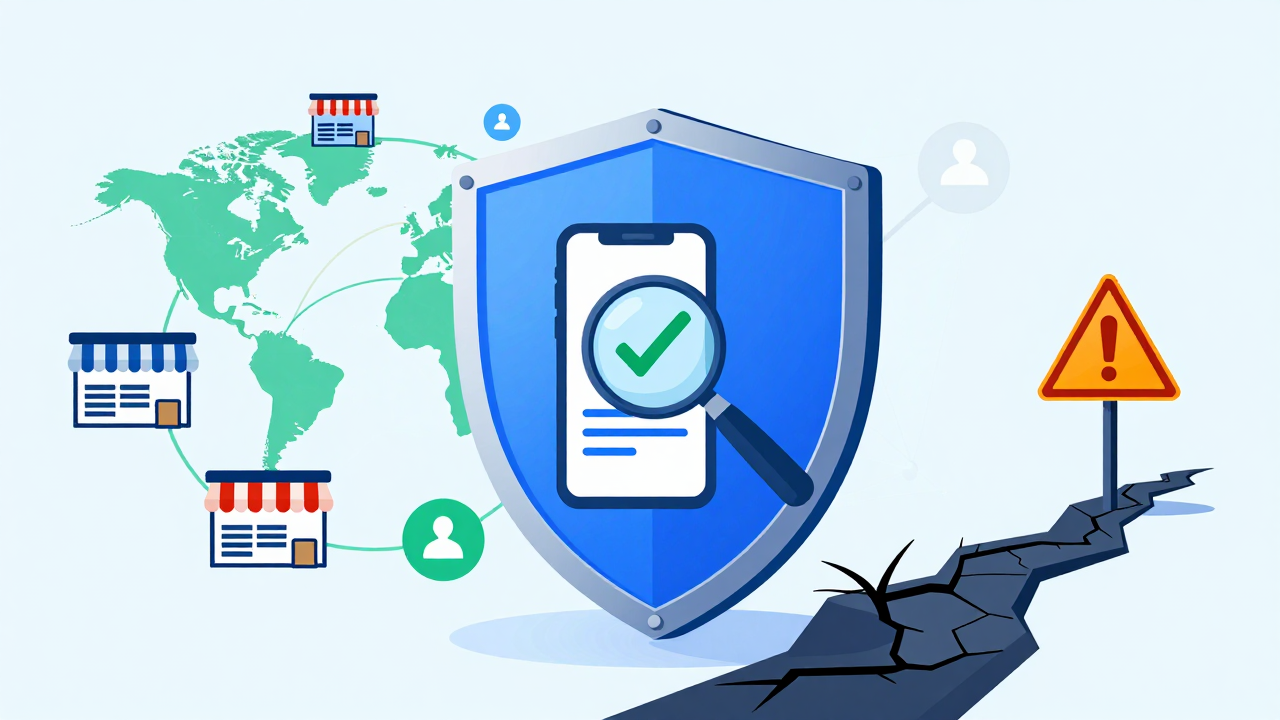
If you're evaluating a verification service, ask for a number quality report or a test API before committing. Good platforms welcome testing—they'd rather you validate their service before paying. Remember, being cautious isn't timidity; it's being responsible with your business.
Frequently Asked Questions
What is SMS verification and why do I need it for cross-border business?
SMS verification services provide temporary or dedicated phone numbers that receive verification codes from platforms like TikTok, WhatsApp, or Shopee. They're essential when you need to register multiple accounts without using your personal number—and they help keep your accounts safe by using clean, fresh numbers that platforms haven't flagged.
How much does SMS verification cost?
Pricing varies widely depending on the number's country, carrier type, and the provider's infrastructure. Pay-per-use models typically range from a few cents to a dollar or more per code. If a deal sounds too cheap, it usually means the numbers are low quality or already blacklisted.
Can SMS verification prevent account bans?
No service can guarantee zero bans. A good verification provider reduces the risk by supplying clean, fresh numbers with proper country matching. But your post-registration behavior—like how you warm up the account and what IP environment you use—plays an equally important role in account survival.
What's the difference between a real number and a virtual number?
Real numbers come from actual mobile carriers and are tied to physical SIM cards. Virtual numbers are software-based and often flagged quickly by platforms. For serious cross-border operations, real numbers are the safer choice—they have higher retention rates and better withstand secondary verification.
How do I test a verification provider before committing?
Ask for a test API or a small batch of numbers to run a trial. Register a few accounts with 5–10 numbers and monitor them for a week. Check the ban rate, how long the numbers stay active, and whether the provider's support team responds quickly. A provider that encourages testing is usually one that's confident in its service.
Title Options
Option 1: SMS Verification for Cross-Border Business: How to Choose a Provider That Won't Get You Banned
Option 2: The Hidden Risks of SMS Verification Platforms (And How to Avoid Them)
Option 3: SMS Verification Services Explained: What Cross-Border Sellers Need to Know Before Paying
Meta Description (154 characters): SMS verification is critical for cross-border account security. Learn how to vet providers, avoid common pitfalls, and protect your accounts. Read our full guide before you buy.