How to Choose a SMS Verification Code Platform: Insider Tips From the Cross-Border Trenches
How to Choose a SMS Verification Code Platform: Insider Tips From the Cross-Border Trenches
If you're in cross-border e-commerce or managing overseas social media accounts, you're probably familiar with SMS verification code platforms. When you're batch-registering accounts, warming them up, or receiving verification codes, a stable channel isn't optional—it's the backbone of your operation. But here's the thing: this industry has some deep waters. I've watched too many people pick the wrong provider, lose entire batches of accounts to bans, and watch their money go up in smoke.
Why Do Your Accounts Keep Getting Flagged? The Problem Might Be Your Verification Codes
Plenty of cross-border sellers report that their accounts trigger risk controls left and right—sometimes getting banned within minutes of registration. The root cause often isn't your setup. It's the phone numbers you're using. They're "dirty."
A "dirty number" is one that's been used for shady activity before and flagged by platforms. When you try to register a fresh account with it, the platform's risk control system spots it instantly. A solid SMS verification code platform regularly purges these flagged number ranges, so the numbers you get are relatively clean.
From my experience, platforms that sell codes for pennies—literally a few mao per code—don't care about number quality. They hoard numbers from every channel imaginable, crush their costs, and hand you a lottery ticket. You pay, and your accounts die one after another.
The Tech Behind Verification Platforms: Virtual Numbers vs. Physical SIM Cards
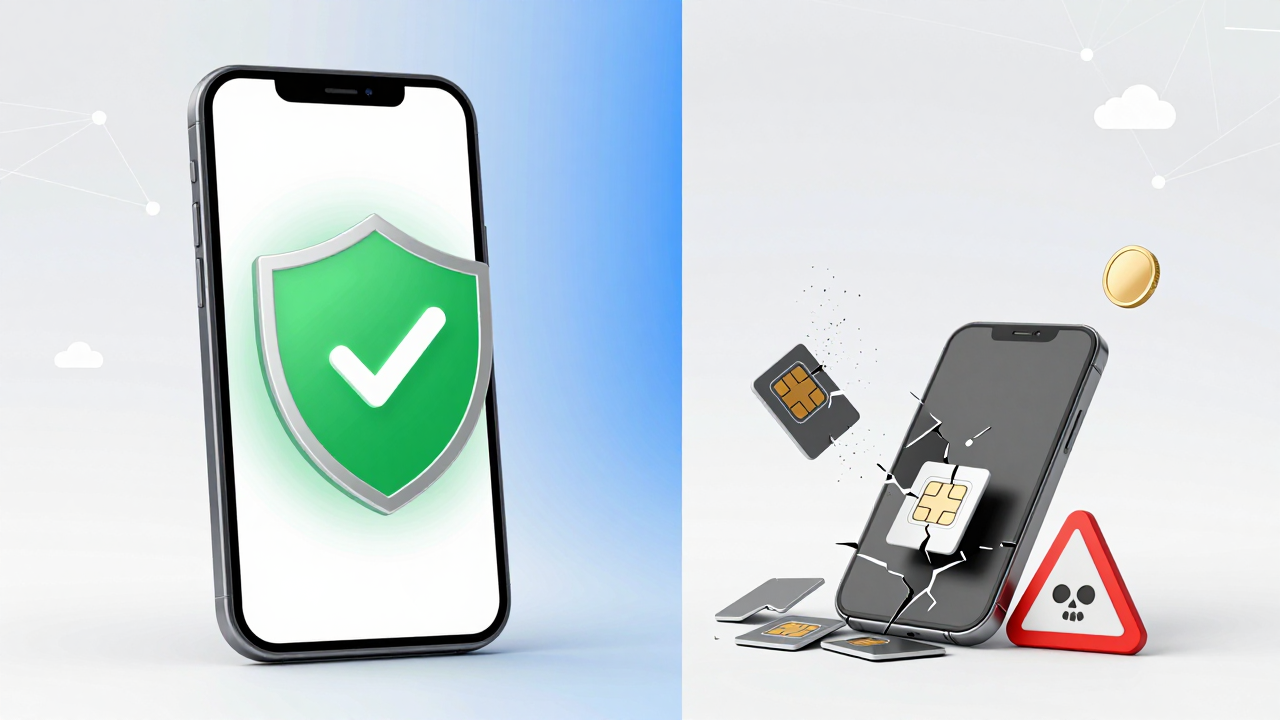
Right now, there are two main technical approaches in the SMS verification space. One is pure virtual number ranges, running on VoIP or cloud SIM technology. The other is physical SIM card pools—providers buy real SIM cards, slot them into hardware, and let users access them remotely.
Both have their pros and cons. Here's a side-by-side comparison so you can see the difference clearly:
| Comparison | Virtual Numbers | Physical SIM Pools |
|---|---|---|
| Cost | Lower—good for tight budgets | Higher—physical cards and hardware add up |
| Number Quality | Inconsistent—depends on the provider's standards | More stable—but still depends on the card source |
| Best For | Batch registration, short-term verification | Long-term account warming, steady code reception |
| Risk Control Exposure | Higher—virtual numbers get flagged easily | More manageable—physical cards look closer to real users |
| Price Range | Pennies to a few dollars per code | A few dollars to tens of dollars per code |
Industry feedback consistently shows that for platforms with strict risk controls—think TikTok or WhatsApp—physical SIM pools are noticeably more reliable. But that reliability comes at a price, and whether it's worth it depends entirely on your business model.
The Current Landscape: Three Types of SMS Verification Providers
The market for SMS verification code platforms roughly splits into three categories.
First, the "wild west" platforms. Prices so low they're almost suspicious, and the payment page looks like it was built in 2010. These platforms have zero risk control capability. Their number pools are packed with ranges that every major platform has blacklisted. If your account survival rate hits 20% with them, consider yourself lucky.
Second, the "semi-professionals." They have some technical chops and understand risk control rules, but they'll mix lower-quality numbers into their premium pools to boost margins. You might get a great number—or you might get burned. In this category, platforms like Getfollow have built a decent reputation by following a more disciplined playbook: they grade their numbers by quality, price them transparently, and don't pass off junk as premium.
Third, the "custom solution providers." They don't bother with small fry. They serve big clients with tailored number pools, even customizing resources for specific regions or target platforms. These are the most expensive—and the most stable.
Three Core Metrics for Vetting a Provider
A lot of sellers tell me they don't know how to judge whether a verification platform is trustworthy. After years in this game, I've narrowed it down to three metrics worth your attention.
Metric one: number survival rate. Don't trust the marketing. Go to cross-border forums or communities and ask real users. A platform that consistently hits 70% or above is doing its job. Anything below 50%? Walk away.
Metric two: how often the number pool gets refreshed. How frequently does the platform purge flagged numbers? How often do they add new ranges? This directly determines the quality of what you receive. Some platforms go a month without updating their pools, and the numbers in there are already burned to a crisp.
Metric three: customer support response time. In this business, missed codes and occupied numbers are par for the course. What matters is whether the platform fixes it fast. Some support teams are basically chatbots that paste "please wait" on repeat. Skip those, no matter how cheap they are.
Worth noting: platforms like Getfollow handle number pool updates and support reasonably well—they don't vanish after taking your money.
What the Price Tag Really Tells You: You Get What You Pay For
Newcomers always ask, "Which SMS verification platform is the cheapest?" Honestly, that question is a trap.
The cost of a single code covers number procurement, equipment maintenance, platform operations, and risk control R&D. If a code sells for pennies, how much do you think the provider is investing in number quality? They can't even afford human support. If something goes wrong, you won't even know who to contact.
Industry consensus is clear: if a code's price is far below the market average, something's being cut. Either the numbers are garbage, the support is nonexistent, or the provider is a flight risk.
From my observation, reliable SMS verification code platforms typically price codes between $0.15 and $0.70. For codes tied to specific platforms or countries, expect to pay more. In that range, providers actually have room to maintain number quality and offer real support.
That said, pricier isn't always better. Some platforms lean on their name recognition and inflate prices while delivering the same service as everyone else. Do your homework—read genuine user reviews and don't let brand hype fool you.
Practical Tips for Using Verification Platforms
Even with the right platform, the details matter. These lessons cost me real money to learn, so here they are:
- Avoid peak hours. Between 8 PM and 11 PM, number availability gets tight, and you'll end up with whatever's left over.
- Don't register an account the second you receive a code. Wait a few minutes to let the number go through "cleaning" and "preheating" on the platform's side. Your success rate will thank you.
- Never reuse the same number. Some platforms let you receive multiple codes on one number, but that's a fast track to getting your accounts linked and banned.
- For important accounts, pay for "dedicated number" services. It costs more, but the number is yours alone, and your security level jumps several notches.
These details seem minor, but they often determine whether your accounts survive that critical first week.
Frequently Asked Questions About SMS Verification Code Platforms
Will accounts registered through verification platforms get banned?
Yes, and the odds aren't in your favor. Numbers from verification platforms are shared resources, and risk control systems have little tolerance for them. To lower your ban rate, pick a platform with high-quality numbers and complete your account profile quickly after registration—mimic real user behavior as much as possible.
Can verification platforms leak my personal information?
Legitimate platforms won't, but the fly-by-night operations are a different story. The email, IP address, and device info you provide during registration can all be logged. Stick with providers that have proper credentials and a long track record. Avoid platforms with no registration or licensing at all.
How do I know if a verification platform is trustworthy?
The simplest approach: ask experienced players in cross-border circles for their recommendations. Also, start with a small deposit to test the waters. Evaluate number quality, code delivery speed, and support responsiveness. Whatever you do, don't dump a large amount of money in upfront—the risk isn't worth it.
One last word: the SMS verification code platform industry is a mixed bag, but reliable options do exist. The key is having your own criteria—don't just chase the lowest price or take a platform's word for it. Test, compare, and listen to what real users say. That's how you'll find the one that actually fits your business.