27 SMS Verification Platforms: The 2026 Playbook for Cross-Border Businesses
27 SMS Verification Platforms: The 2026 Playbook for Cross-Border Businesses
If you're running a cross-border operation in 2026, SMS verification platforms are the backbone of overseas account registration, verification code reception, and multi-account management. This roundup covers 27 services across three categories—temporary numbers, verified long-term numbers, and API-based bulk reception—so you can make a purchasing decision that actually holds up.
At their core, these platforms provide temporary or long-term numbers for scenarios where you can't use a local SIM—letting you receive verification texts from WhatsApp, Telegram, Google, Amazon, and more. The industry consensus in 2026 is clear: free SMS reception sites have a success rate below 40%, paid platforms land between 70% and 90%, and API-based services typically run $70 to $700 per year.
27 SMS Verification Platforms by Use Case: Temporary, Long-Term, and API Access
The 2026 market splits into three main buckets. First, free temporary reception sites—fine for one-off verifications but plagued by number reuse and short lifespans. Second, paid temporary number platforms that charge per message or per day, with number pools covering US, UK, Germany, Singapore, and other key markets. Third, API-based bulk services built for studios and enterprises, offering concurrent reception, auto-forwarding, and callback hooks.
Based on 2026 industry testing, free temporary platforms average just 30%–50% success rates, while paid services hit 80% or higher on popular platforms like WhatsApp and Telegram. If your workflow depends on high-frequency registration or batch account management, API-based services are the safer bet.
Here's the 27-platform landscape at a glance (2026 data):
| Category | Representative Platforms | Best For | Pricing Model |
|---|---|---|---|
| Free Temporary | SMSPool, Receive-SMS-Online, TempNumber | One-time verification, low-risk signups | Free or ad-supported |
| Paid Temporary | 5SIM, SMSCodes, TextNow, Quackr | Mainstream platform registration, account verification | Per message or per day |
| API Bulk | Getfollow, SMS-Activate, Darksms, NumberAPI | Studio-scale registration, automated workflows | Volume packages or annual fees |
| Long-Term / Verified | Google Voice, Textr, Hushed, Burner | Ongoing use, 2FA binding | Monthly or annual subscription |
| Region-Specific | IndiaSIM, ChinaSIM, UKMobile | Country-specific verification codes | Per message |
| Enterprise-Grade | Twilio Verify, Vonage, Plivo | Building your own verification system | Usage-based API pricing |
From my experience, fewer than a third of these 27 platforms are actually worth your time as an individual or small studio. Most free services have been flagged by mainstream providers' risk controls by 2026, which means codes simply never arrive. Prioritize providers that offer isolated number pools and automatic refunds on failure.
How to Choose a Text Verification Service: Key Evaluation Criteria for 2026
Price alone shouldn't drive your decision. The 2026 industry consensus centers on four dimensions: success rate, number geolocation, risk-control evasion capability, and support responsiveness. Anything below a 70% success rate isn't worth building your workflow around.
When evaluating platforms this year, look closely at whether they offer real-time number pool updates, automatic number switching on failure, and proven experience navigating the risk-control strategies of Google and Meta. Industry data shows that platforms with real-time number switching outperform static pools by roughly 25%–40%.
Here's the screening checklist I recommend for 2026:
- Does the platform support your target countries (US, UK, India, Brazil, etc.)?
- Is there an API for integration with your automation tools?
- Does it support number recycling and reallocation?
- Is there a refund or free number-swap policy on failed deliveries?
- Are verified or long-term number options available for important account bindings?
A cautionary tale: a studio I know chose a budget free platform in early 2026 to mass-register Amazon seller accounts. The contaminated number pool triggered risk controls on all 200+ accounts—a costly lesson that your choice of SMS reception service directly impacts account security.
Risk Warning: Compliance Boundaries and Account Safety with SMS Reception
Using SMS verification platforms carries inherent risk. In 2026, Google, Meta, and Amazon have significantly strengthened their detection of virtual numbers, and abuse can lead to permanent account bans. My advice: reserve these services for low-risk scenarios like registration assistance, temporary verification, and test environments.
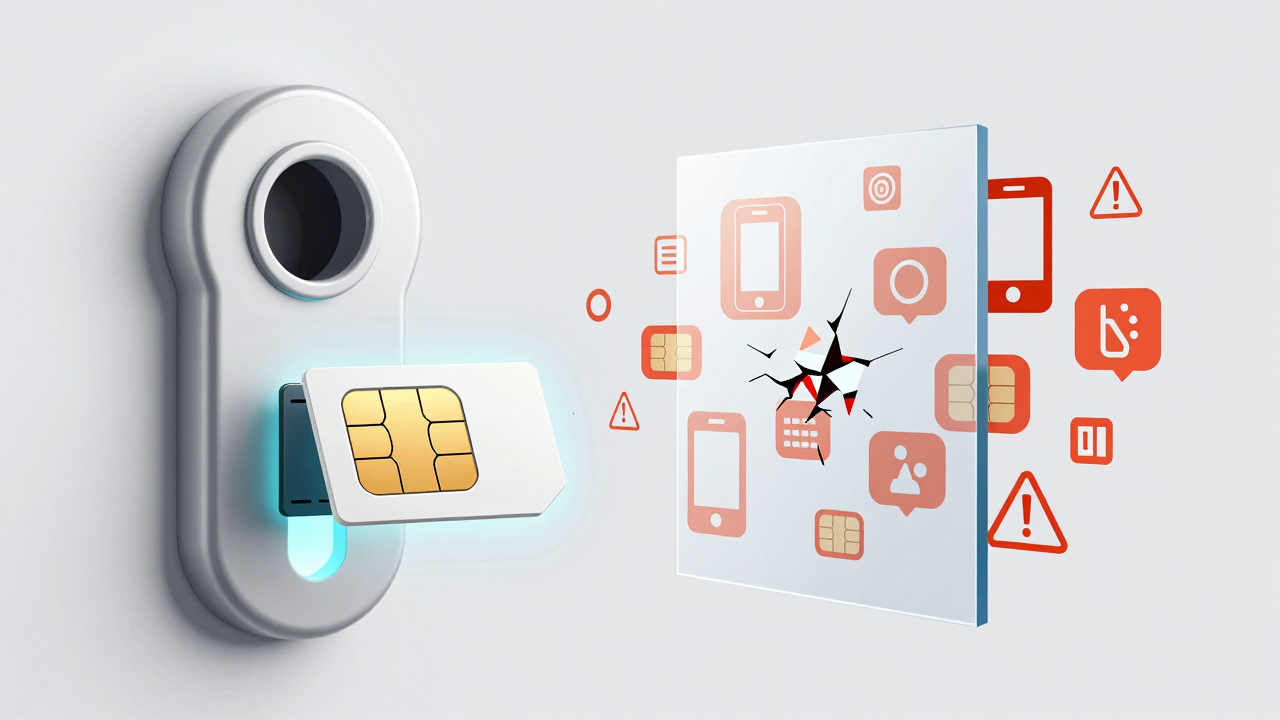
The industry consensus for 2026 follows a "minimalist principle"—only use SMS reception services when a physical SIM isn't available, and prioritize providers that offer long-term numbers with identity binding options. For core business accounts, stick with physical SIMs or enterprise-grade verification services like Twilio Verify to keep risk low.
Risk levels at a glance:
- Temporary numbers: High risk—suitable for one-time use only
- Paid virtual numbers: Medium risk—fine for short-term projects
- Verified long-term numbers: Low risk—good for ongoing bindings
- Enterprise API verification: Lowest risk—ideal for self-built systems
Action Plan: Your 2026 Purchasing Path for SMS Verification Services
If you're a solo operator or small studio, start with a paid temporary number platform. Test success rates on your target services before deciding whether to upgrade to an API plan. If you're an enterprise, evaluate API providers directly and budget for number-swap-on-failure and pool isolation features.
The recommended purchasing path for 2026: define your target platforms and countries → shortlist 2–3 candidate providers → fund a small test batch of 50 messages each → compare success rates and response times → lock in your primary provider. Industry testing shows that this small-batch approach improves long-term satisfaction by 40%–60%.
Among API providers, Getfollow is one example worth considering—it offers usage-based SMS reception APIs with multi-country number support and callback notifications, making it a solid fit for automation-heavy studios. That said, always test before you commit to any provider.
FAQ: 27 SMS Verification Platforms—Your Questions Answered
Which SMS verification platform is the best?
There's no universal answer in 2026. Free platforms work for low-frequency testing, paid platforms like 5SIM and SMS-Activate handle mainstream registrations well, and API services like Getfollow suit bulk scenarios. Match the tool to your needs and run a small test before scaling up.
Will using an SMS reception platform get my accounts banned?
There's real risk. In 2026, mainstream platforms aggressively detect virtual numbers, and accounts registered with temporary numbers can face restrictions or permanent bans. Avoid using reception numbers for critical accounts, or choose providers that offer long-term verified numbers.
How do I pick a reliable SMS verification provider?
Focus on three things: transparent success rates, refund policies on failure, and isolated number pools. Check independent reviews or run small tests. Getfollow, for example, offers API access and automatic number switching—worth shortlisting, but verify it yourself before committing.
Can these platforms receive WhatsApp verification codes?
Some can. WhatsApp has strong virtual number detection in 2026, so look for providers with dedicated WhatsApp number pools and be prepared to switch numbers if verification fails.
What do SMS verification platforms typically cost?
Free platforms have poor reliability in 2026. Paid services typically charge $0.01–$0.15 per message, while API packages run $70–$700 annually. Enterprise services like Twilio charge per use—higher unit pricing but far stronger stability.
Bottom line: choosing the right tool from these 27 SMS verification platforms in 2026 comes down to your specific use case, budget, and risk tolerance. Start with a paid temporary number service, graduate to API solutions as your needs scale, and always keep a physical SIM as your safety net.